AI agent concepts, explained
Plain-English explainers for AI agent concepts: tool use, memory, orchestration, evaluation, safety, refusal policy, stopping conditions, and the rest of the agent stack. Written for non-researchers who need to make build vs buy calls.

AI Agent Pricing Index 2026: 16 Platforms, Checked Monthly
Starting price, free tier and billing unit for 16 AI agent platforms, read on the vendors' own pages on 15 September 2026, with dated history.
AI Agent Search Statistics 2026: What People Actually Ask
What people type into Google about AI agents says more about this market than most analyst reports. We pulled US search volume and keyword difficulty for 20 AI agent queries through the gravity.fast research…
AI Agent Pricing Statistics 2026: What Automation Costs
Entry-level automation pricing has converged. As of July 2026, Zapier's cheapest paid plan is $19.99 per month and n8n Cloud starts at 20 euros per month: two different product shapes landing within a few dollars of…
AI Agent Statistics 2026: Adoption, Market, and Reality
How widely are AI agents actually used in 2026? The verified numbers tell a split story: AI is everywhere, autonomous agents are not yet. McKinsey's State of AI finds 88 percent of organizations use AI regularly in…
AI Agent Examples: 17 Named Deployments and 30 Tasks in 2026
The word "agent" gets stretched to cover almost anything with a chat box, so the fastest way to understand agents is to look at what they do. This guide starts with 17 named organisations running agents in…
AI Agent Startup Funding: August + September 2026 Tracker
Next edition: Q4 2026 is tracked on the AI agent funding tracker for Q4 2026, with headline numbers recomputed daily and a running list of AI agent acquisitions and shutdowns. Indian agent startups have their own…
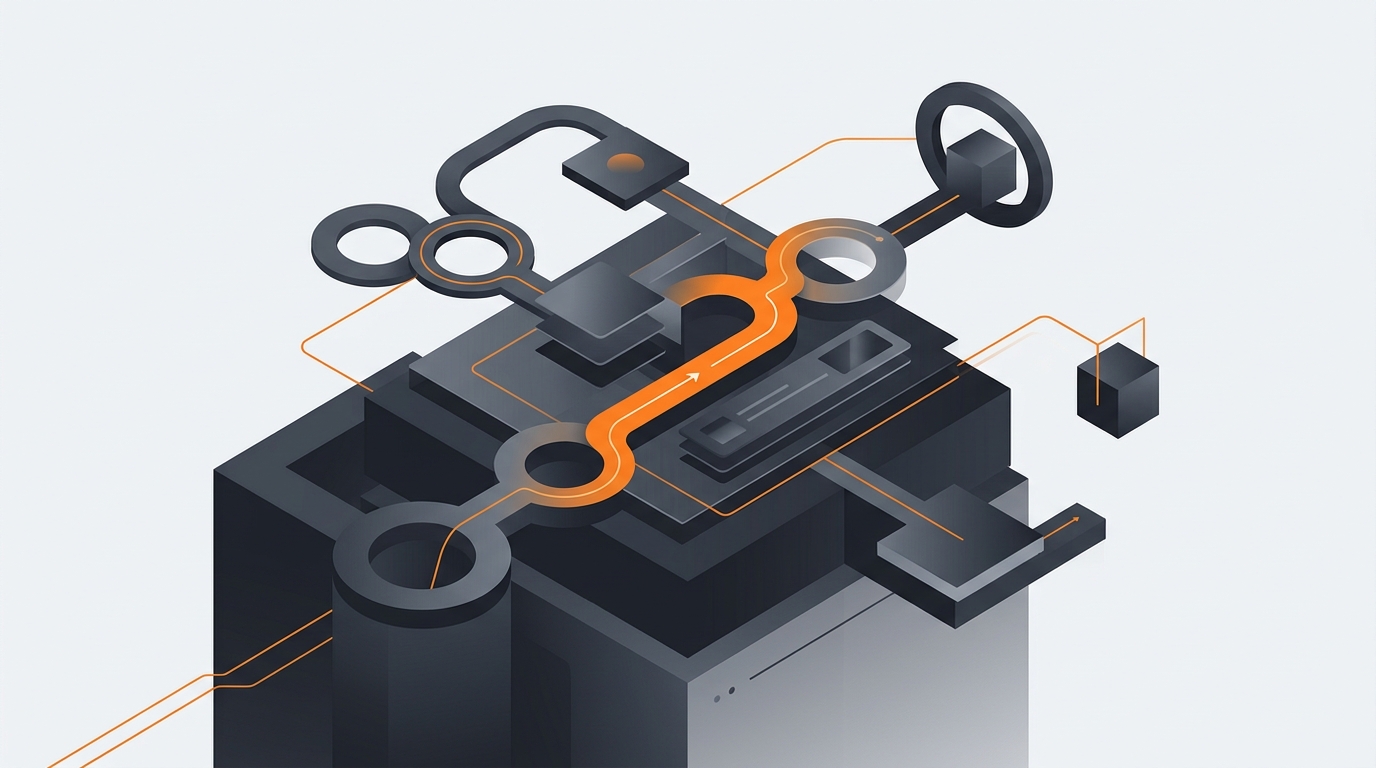
What Is an AI Agent Runtime? Explained
An AI agent runtime is the software layer that actually executes an agent. The language model decides what to do next; the runtime is what makes it happen. It runs the loop of observing the situation, reasoning about…

AI Agent ROI Case Studies and Real Evidence
There is no single AI agent ROI number you can copy into your business case, and any roundup that hands you one is selling something. The honest version of the evidence is this: where companies concentrate AI on…
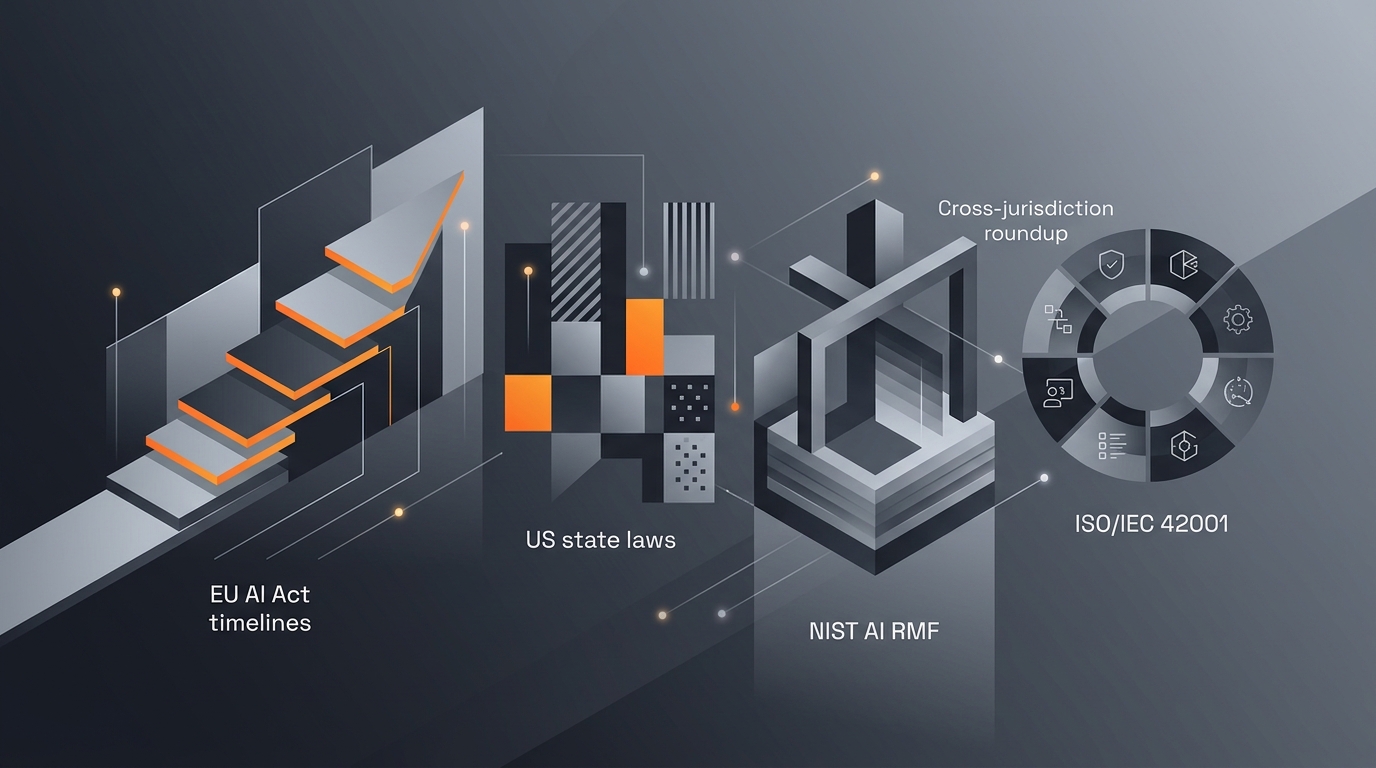
AI Agent Regulation Update: Summer 2026
As of mid-2026, there is no single AI agent law to comply with; there is a layered landscape you have to navigate at once. The EU AI Act is in phased enforcement, several US states have their own AI rules, the NIST…
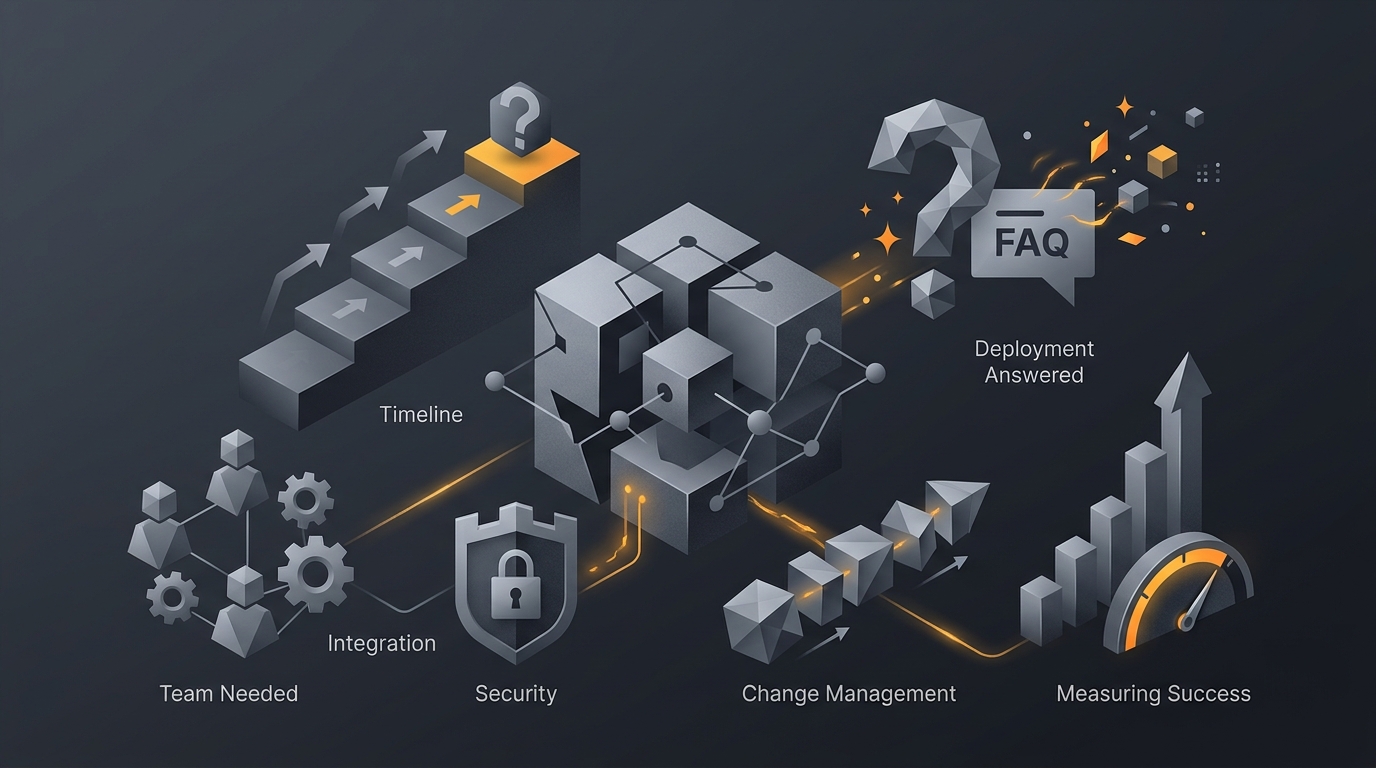
AI Agent Implementation FAQ: Deployment Answered
An AI agent implementation goes right when you start with one narrow, well-defined workflow, give the agent least-privilege access to the systems it needs, keep a human approving consequential actions, and measure…
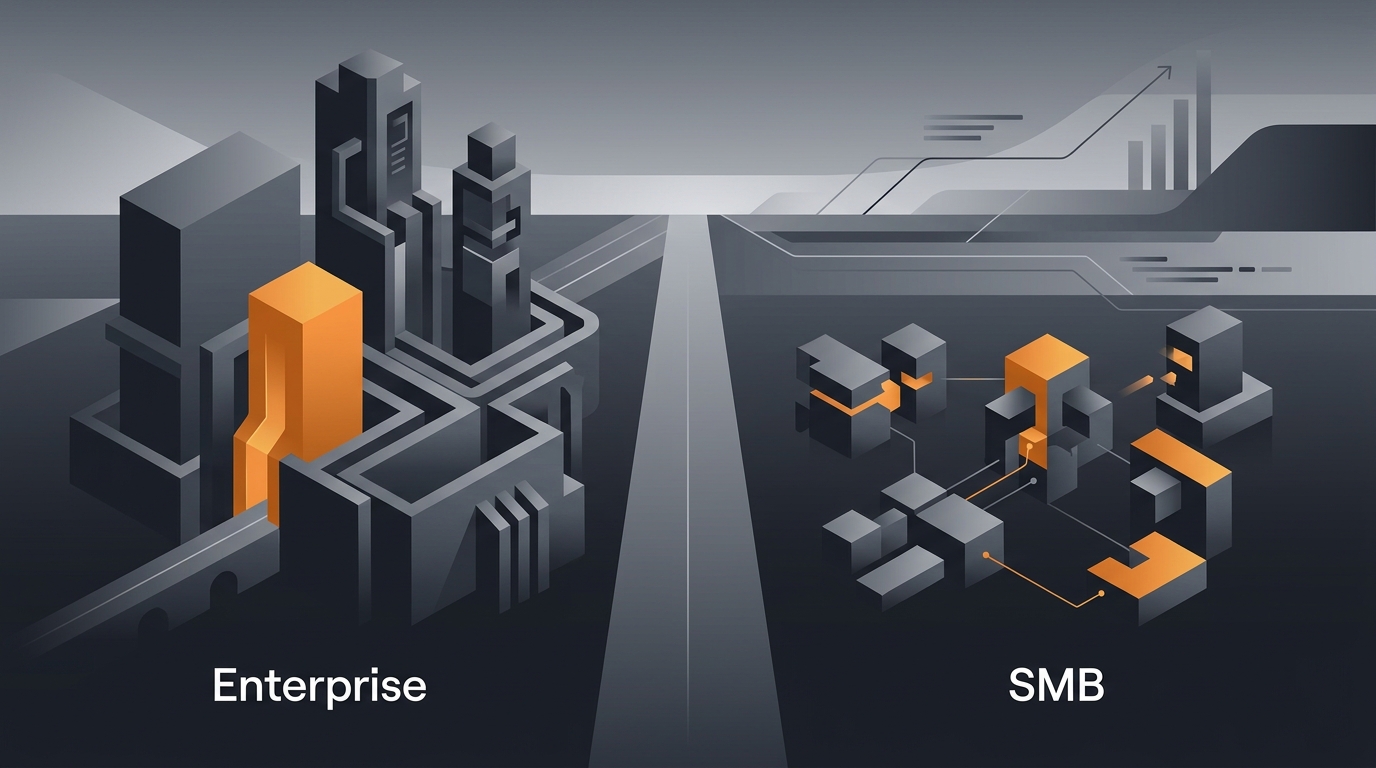
AI Agent Adoption in 2026: Enterprise vs SMB
For large companies in 2026, AI agents are a question of how: KPMG's Q3 2026 AI Pulse found 62% of US organizations with $1 billion or more in revenue building, deploying or developing them, up from 53% a quarter…
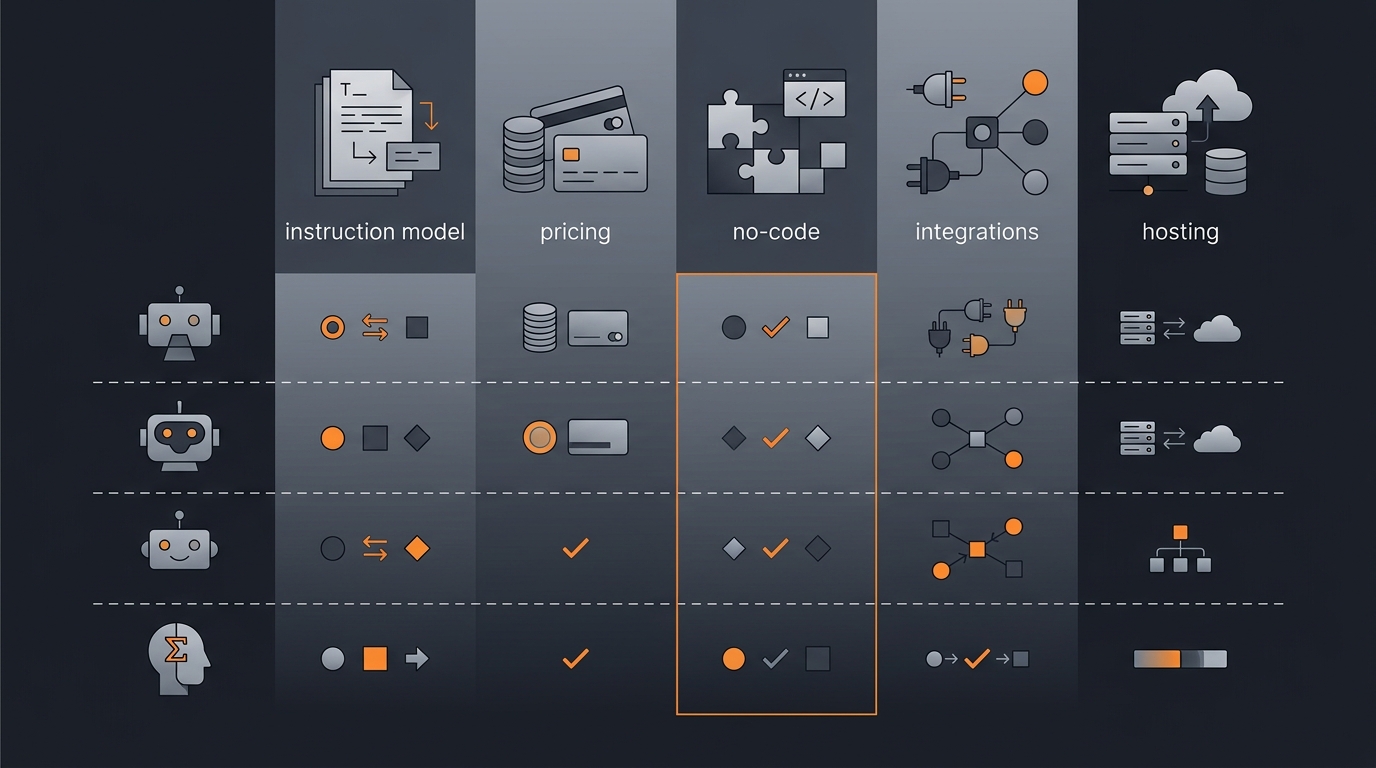
AI Agent Platform Comparison Matrix 2026
AI agent platforms diverge on six dimensions that decide fit: how you tell the agent what to do, how you pay, whether the platform is no-code or code-first, how it connects to your tools, whether it supports human…

AI Agent Buying Guide 2026: Vendor Checklist
The right way to buy an AI agent platform in 2026 is to start from the job you want done, score every vendor on the same short list of criteria, and prove it with a small paid pilot before you sign anything. This…

AI Agent Secrets Rotation: A Practical Guide
Secrets rotation is the practice of replacing an AI agent's credentials, the API keys and tokens it uses to reach models, tools, and data, with fresh ones on a schedule, and retiring the old ones. It sounds like…
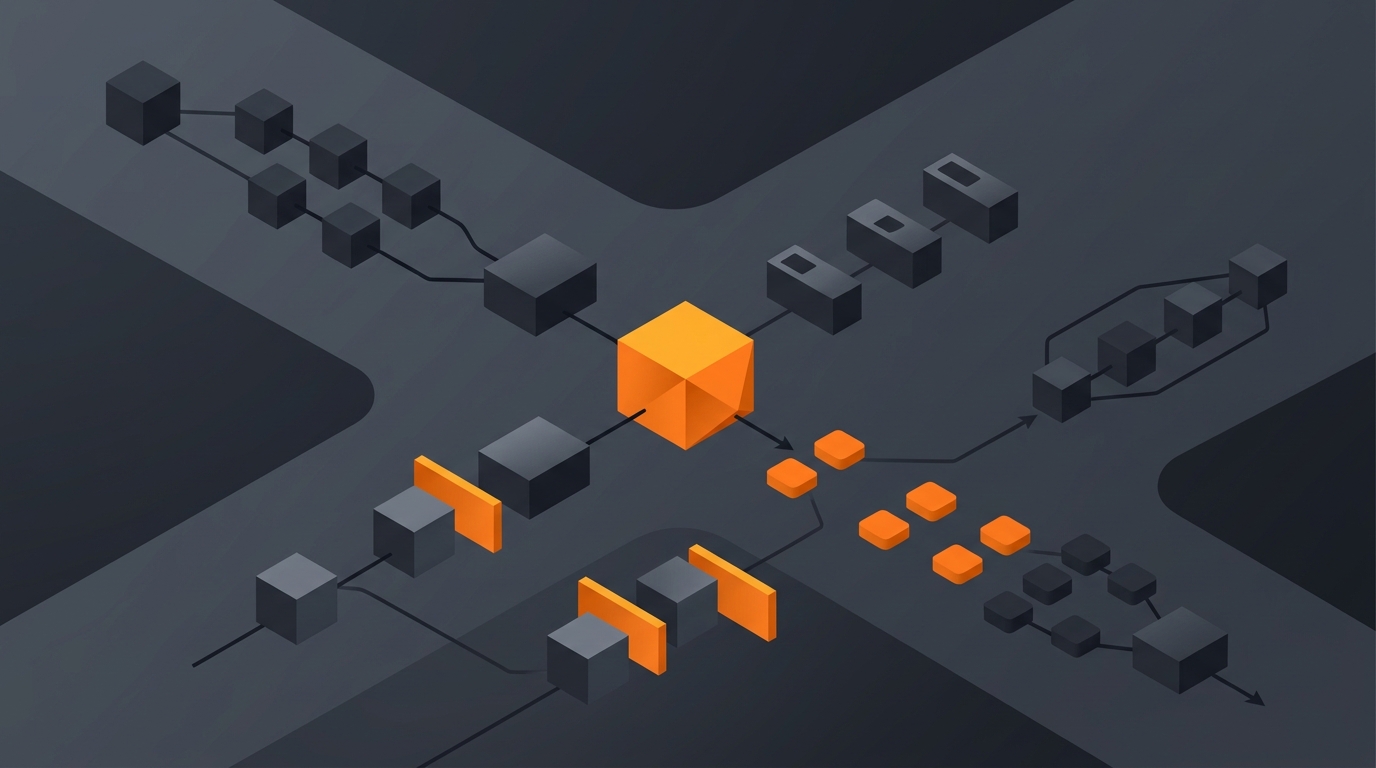
AI Agent PII Redaction Patterns: A Practical Guide
PII redaction for an AI agent is the discipline of finding personal data in everything the agent touches and stripping or masking it before it reaches a place where it should not live: the model prompt, an outbound…
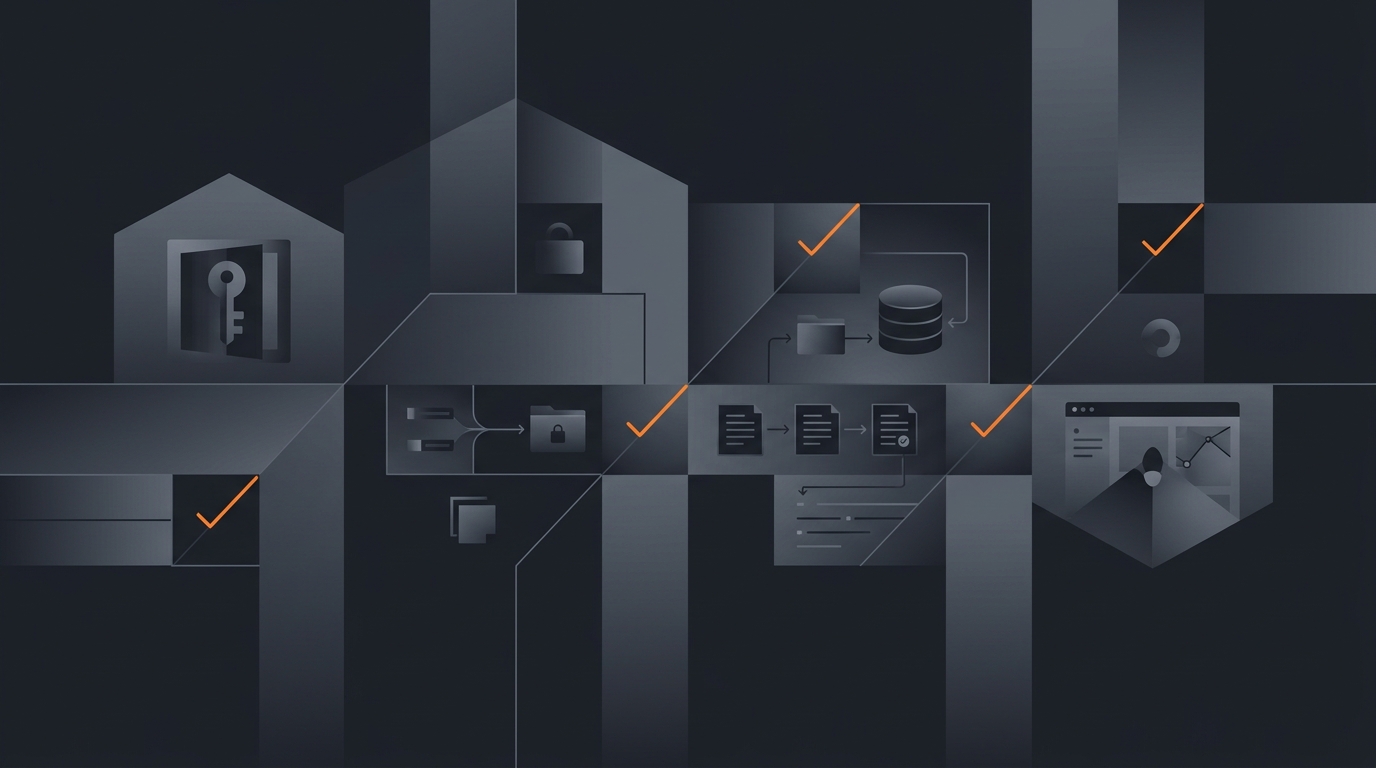
AI Agent Compliance Audit Checklist
A compliance audit for an AI agent asks one blunt question over and over: can you prove it? Not "do you have access controls" but "show me who could reach this agent last quarter." Not "do you handle data carefully"…

AI Agent Market Consolidation Watch 2026: A Tracker
The AI agent market grew loud in 2023 and 2024, with new frameworks, labs, and startups announcing roughly every week. By 2026 the noise has started to resolve into structure. Some of the most-hyped names have been…

AI Agent Grounding and Hallucination Control
Grounding is the practice of tying an AI agent's outputs to verifiable external sources: retrieved documents, live tool results, database records, or structured reference data. Hallucination is the opposite…

AI Agent Emergent Behavior, Explained
Emergent behavior in AI agents refers to actions, strategies, or outcomes that were not explicitly programmed but arise from the interaction of an agent with its tools, its environment, or other agents at scale. It…

AI Agent Capability Maturity Levels Explained
An AI agent capability maturity model is a conceptual framework that describes, level by level, how much an agent can do without human involvement, how errors are caught, and what conditions must hold for the system…

Tool Calling vs Function Calling: What's the Difference
Function calling and tool calling describe the same core behavior: a language model emits a structured request for an external capability, and the runtime executes it. The terms are often used interchangeably, but…
AI Agent Reflection and Self-Correction Explained
Agent reflection is the process by which an AI agent evaluates its own output, identifies problems, and revises the result before returning it. It is how agents catch their own mistakes without requiring a human in…

AI Agent Protocol Wars: MCP vs A2A vs ACP in 2026
Three open protocols are competing to become the connective tissue of agentic AI systems: MCP, A2A, and ACP. Each solves a different interoperability problem, and understanding the distinction determines whether you…
AI Agent Regression Testing: A Practical Guide
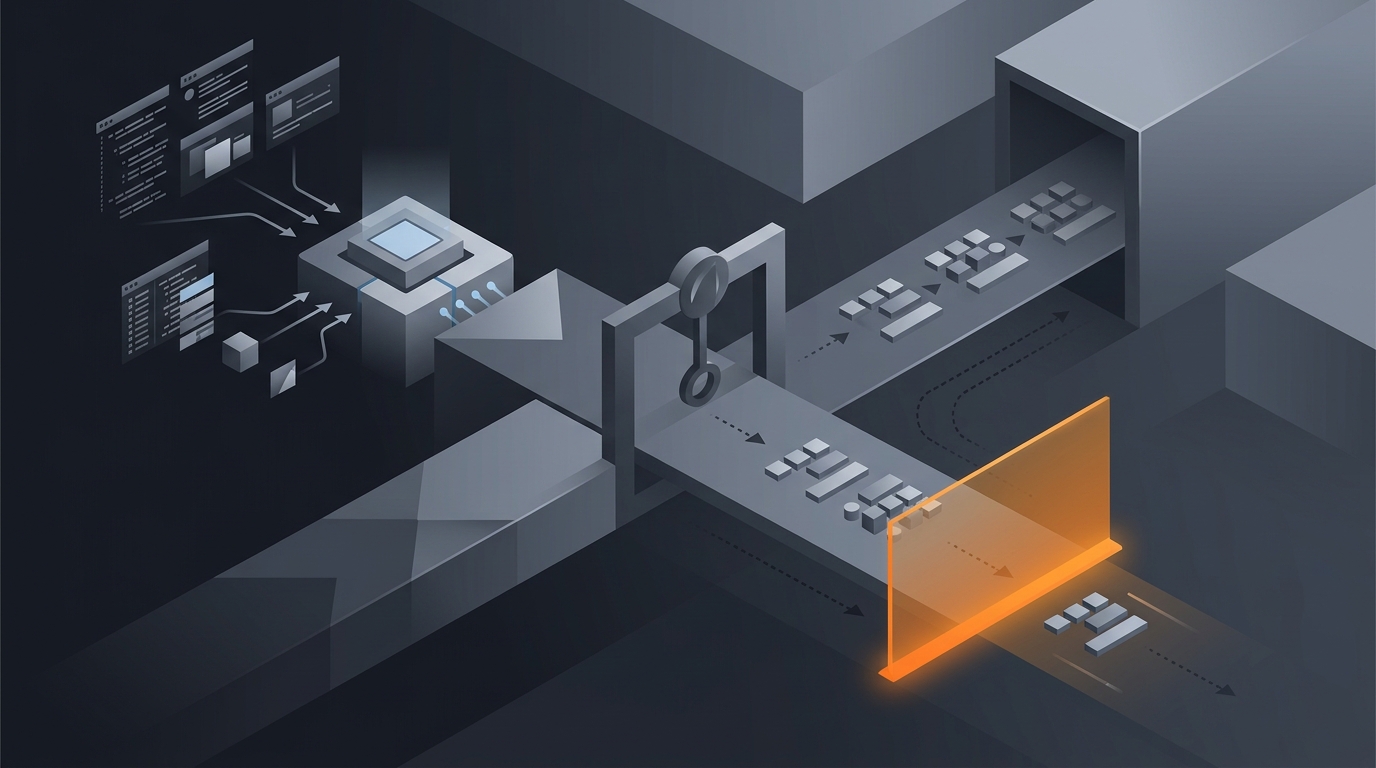
Your agent worked yesterday. Then someone tightened a prompt, the model provider shipped an update, or a tool changed its output format, and now it quietly fails one in five of the cases it used to handle. Nobody saw…
AI Agent Quality Scoring: 5 Methods, One Scorecard
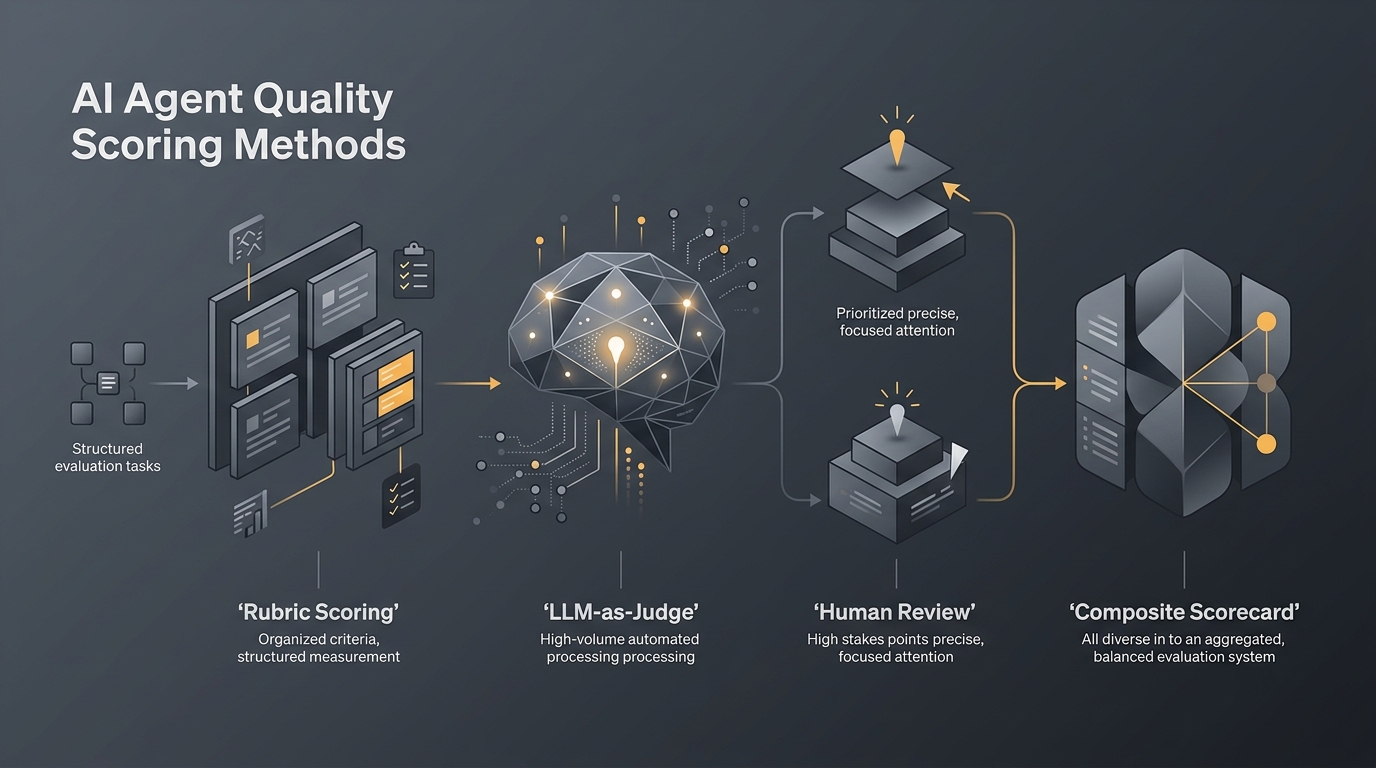
Agent quality scoring turns "was that output good?" into a number you can track and gate a release on. It uses five methods: code checks, a rubric, an LLM judge, human review and a weighted composite scorecard with…

AI Agent Pricing Trends 2026: 38 Price Changes
AI agent pricing in 2026 has settled on usage meters, not seats. Of the 41 agent products in my pricing census, 23 (56%) bill per credit, per run or per minute, the median entry plan is $20 a month, and pricing per…

AI Agent Evaluation Framework (Step by Step)
Most teams decide an agent is "ready" by trying it a few times and getting a good feeling. That is how a demo passes and production fails. An evaluation framework replaces the gut call with a repeatable process: you…

AI Agent Adoption Statistics (Updated Q3 2026)
If you want citable numbers on AI agent adoption, the honest starting point is this: the curve is steep, but the figures depend heavily on how each survey defines an "agent." The baseline is now near-universal.…
AI Agent A/B Testing Strategies That Don't Break Production
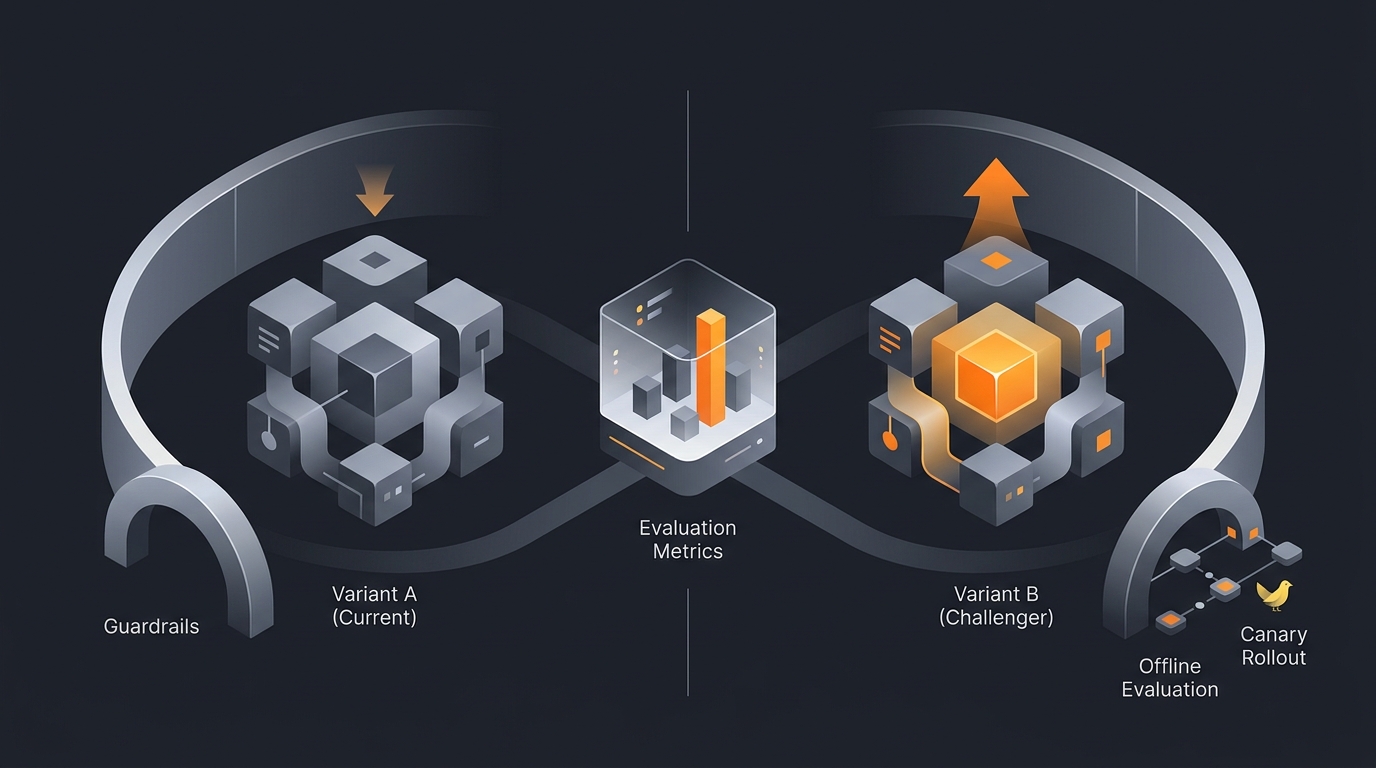
You changed the prompt, swapped the model, or added a tool, and now you want to know if the new agent is actually better. The honest answer is that you cannot know from a few hand-checked examples. Agent behavior…

AI Agent Builder Onboarding Guide: Build for Gravity
Becoming a Gravity builder means one clear thing: you build expert agents to Gravity's quality bar, and Gravity then runs those agents for users and pays you to build and maintain them. You are not setting up a…