AI agent concepts, explained
Plain-English explainers for AI agent concepts: tool use, memory, orchestration, evaluation, safety, refusal policy, stopping conditions, and the rest of the agent stack. Written for non-researchers who need to make build vs buy calls.
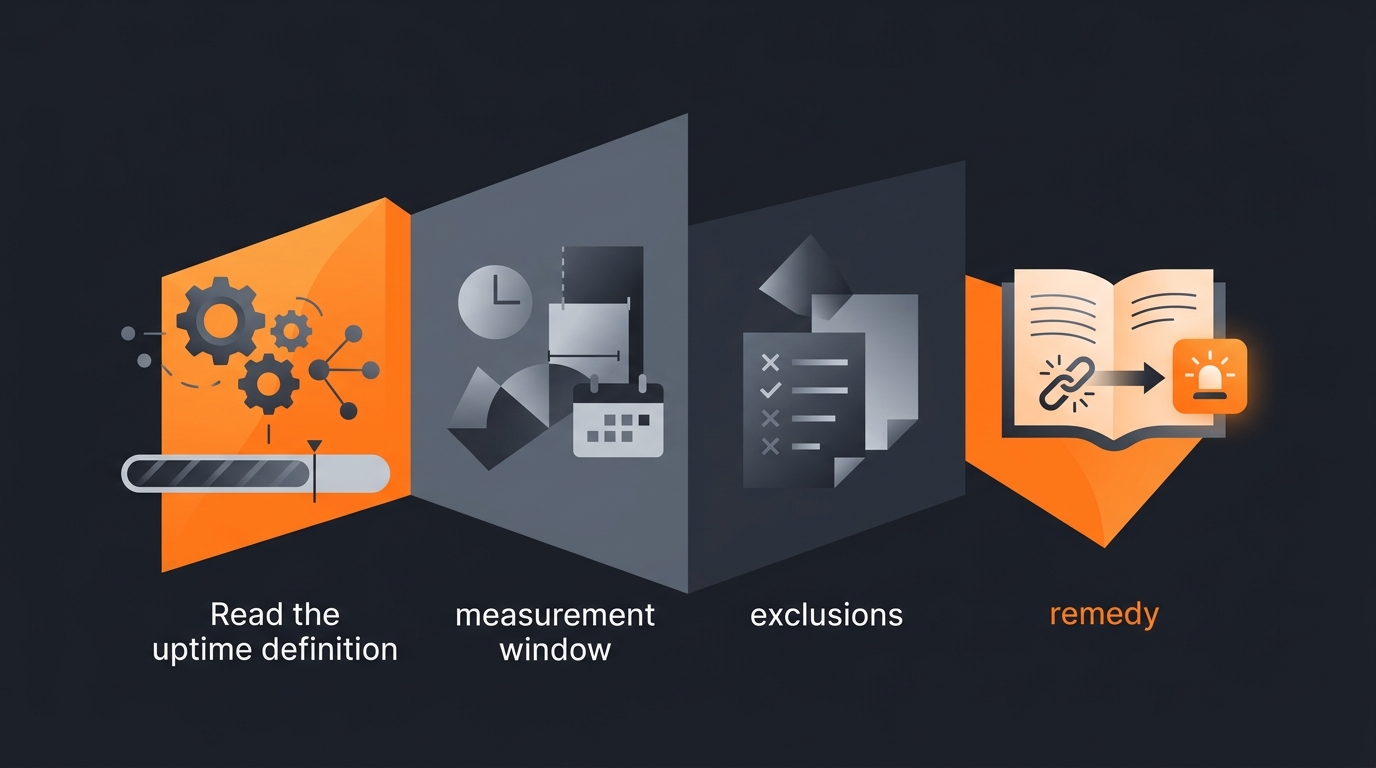
How to Compare AI Agent Platform SLAs (Buyer Guide)
An SLA, a service level agreement, is a vendor's written promise about reliability. The headline number on the page is the part everyone reads. The part that actually decides what you are buying is the fine print:…
AI Agent Platform Free Tier Comparison (2026)
A free tier looks like a gift until you read the fine print. Most AI agent free plans are not really about giving you free work; they are a shaped sample, generous enough to hook you, capped tightly enough that real…

AI Agent Security Breaches: 2026 Roundup
The defining AI agent security story of 2026 is not a single named company breach. It is the maturing of a handful of attack classes that researchers and standards bodies documented through 2024 and 2025, now showing…
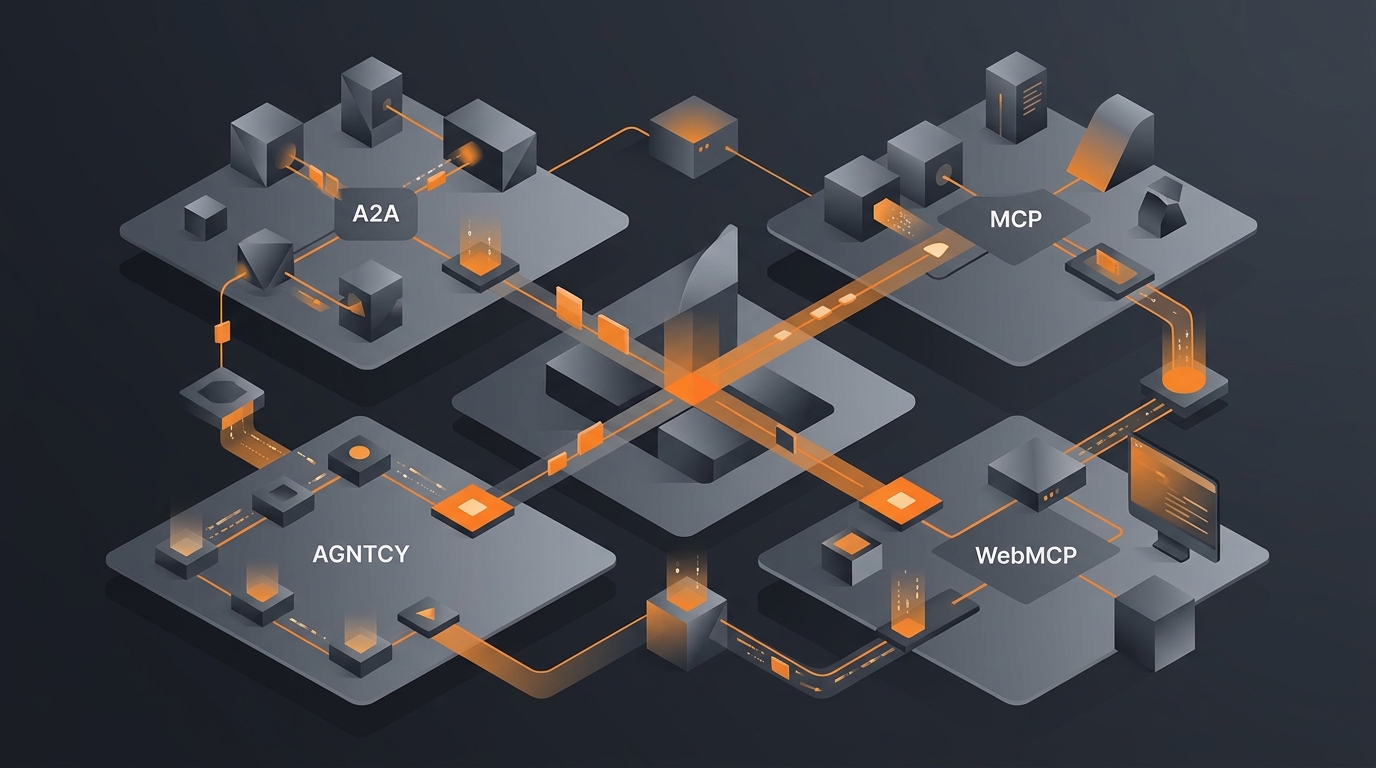
AI Agent Interoperability Standards 2026: MCP, A2A
Agent interoperability in 2026 runs on two open standards. The Model Context Protocol (MCP) connects an agent to tools and data. Agent2Agent (A2A) connects one agent to another. Both now share one neutral home, the…
AI Agent Failures in 2026: 63 Incidents, 7 Lessons
Most AI agent failures since 2024 did not happen because the model was too weak. They came from what the agent was allowed to touch: a credential that reached production, an instruction hidden in an email it read, a…

AI Agent Planning vs Execution: The Cognitive Architecture Split
Every agent has to answer two different questions. First, what should I do to reach this goal. Second, how do I actually do it. The first is planning. The second is execution. They look like one smooth motion from…

AI Agent Context Window Management: Memory and Context Strategies
An AI agent can only think about what fits in front of it. That "in front of it" is the context window: the span of text the model reads before deciding its next move. For a quick question it never fills up. For a…
AI Agent Architecture Patterns Explained (ReAct, Plan-and-Execute, Reflection)
An AI agent is not one thing. Under the surface, the agent follows a control structure that decides how it reasons, when it calls tools, whether it checks its own work, and how it splits a job into smaller jobs. That…
AI Agents and the EU AI Act: A 2026 Compliance Guide
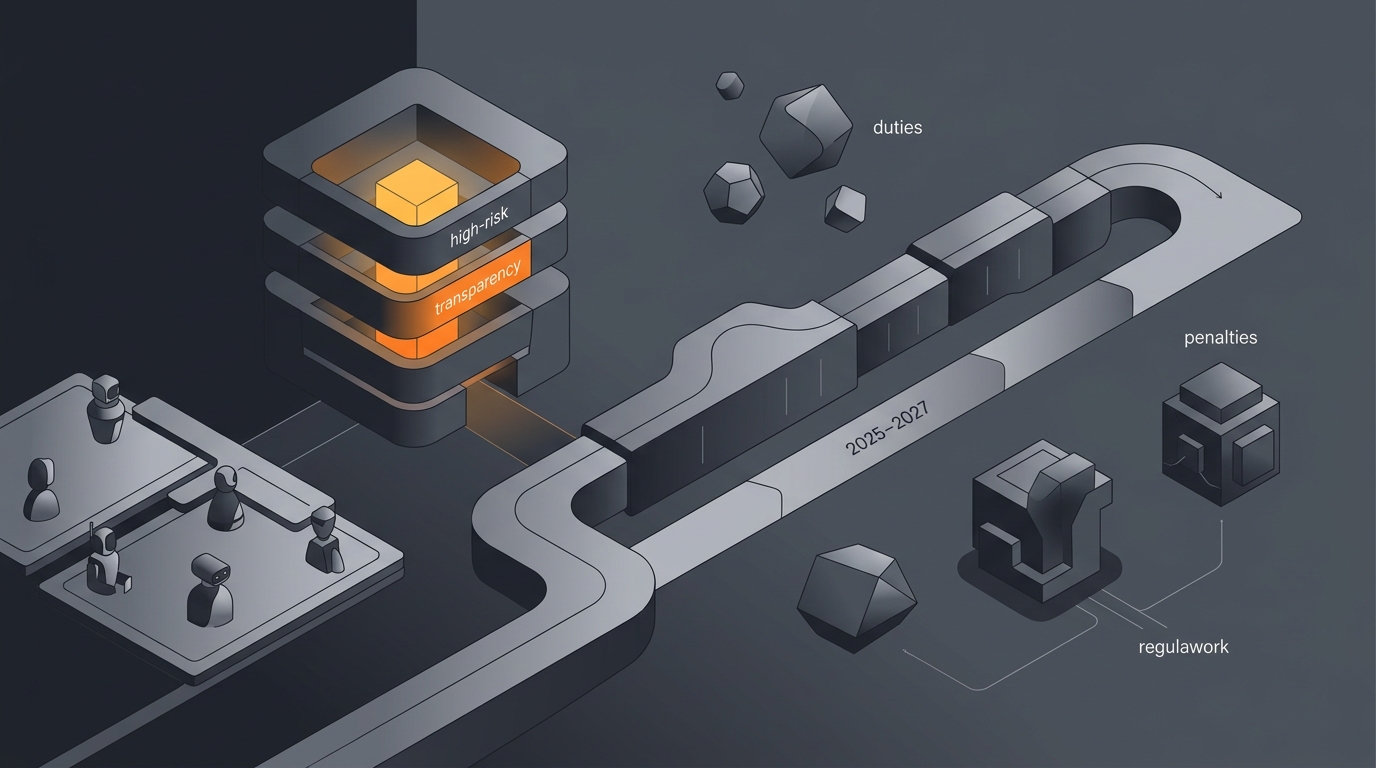
The EU AI Act is the first comprehensive AI law from a major jurisdiction, and in 2026 its obligations are no longer theoretical, they are phasing in on a fixed schedule. For anyone building or deploying AI agents…
Getting Stakeholder Buy-In for AI Agents (Without Hype)
I have pitched ideas that were technically better than the thing that got approved, and lost. The lesson stuck: the quality of an agent project rarely decides whether it gets funded. The quality of the buy-in does. A…

How to Plan an AI Agent Migration (From Zapier or Make)
Most teams do not migrate to AI agents because a vendor sold them on it. They migrate because a Zap broke on an edge case for the third time, or because a Make scenario grew into a 22-step chain that nobody dares…
AI Agent Implementation Timeline: Realistic Deployment Plans
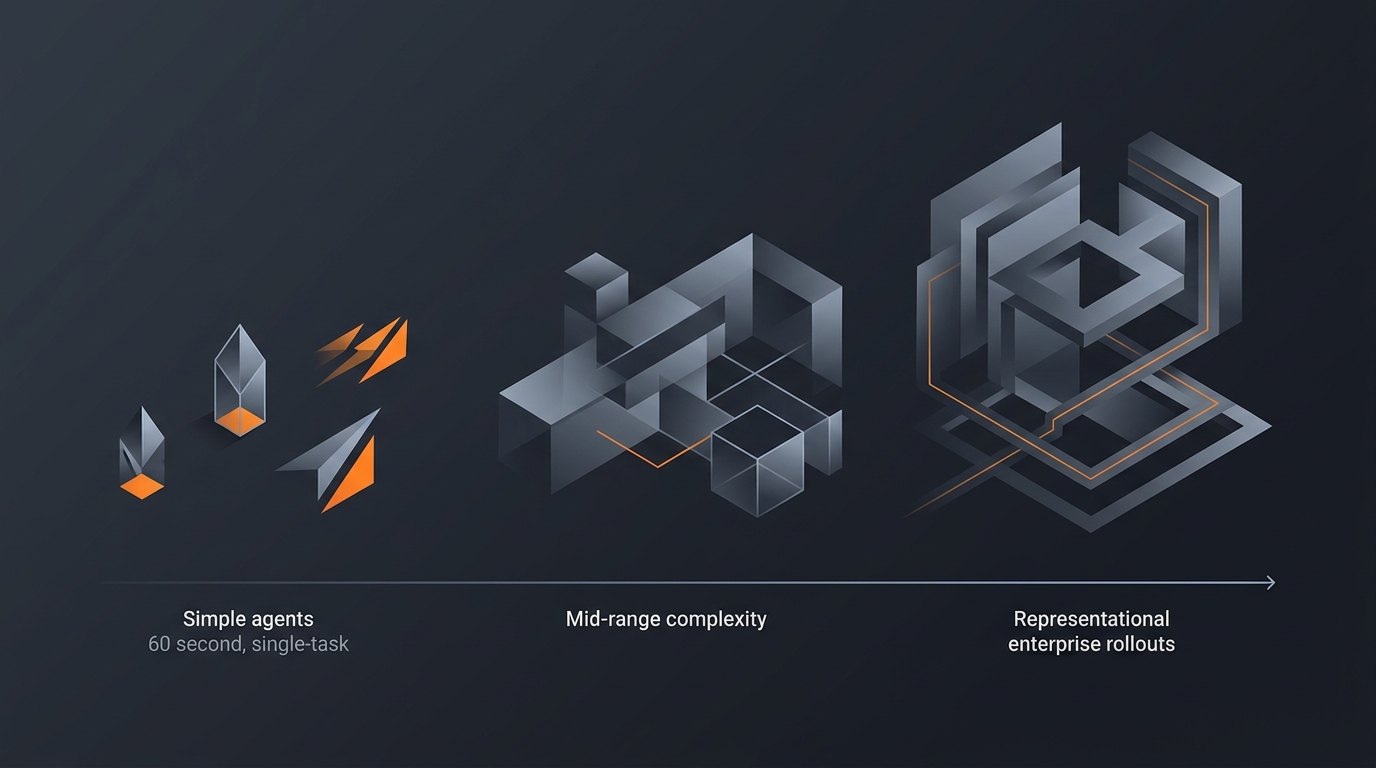
"How long will this take?" is the first question every buyer asks and the one most vendors answer badly. The honest answer is that it depends on which of four very different things you are actually building. A…
How to Build an Executive Business Case for AI Agents
An executive does not read a business case to learn. They read it to decide whether to bet a slice of budget and reputation on you being right. Everything in the document either reduces their uncertainty or wastes…
AI Agent Zero-Downtime Updates: Hot-Swap Configs Without Stopping Runs
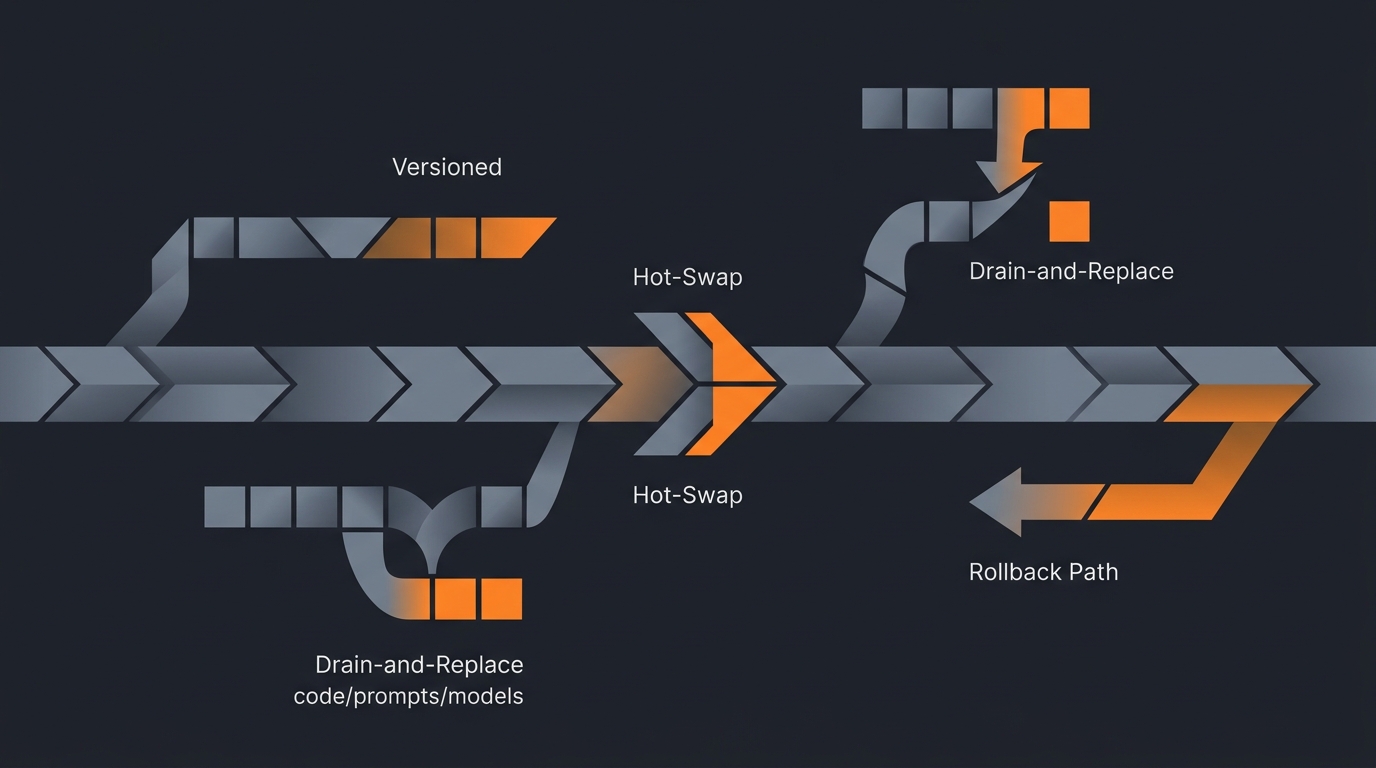
Agent updates fail badly when they are in-place. A prompt edit lands mid-run and the second half of a conversation no longer matches the first. A new model lands and a tool-call signature shifts. An index rebuild…
AI Agent Proof of Concept Checklist: 25-Item Pilot Structure
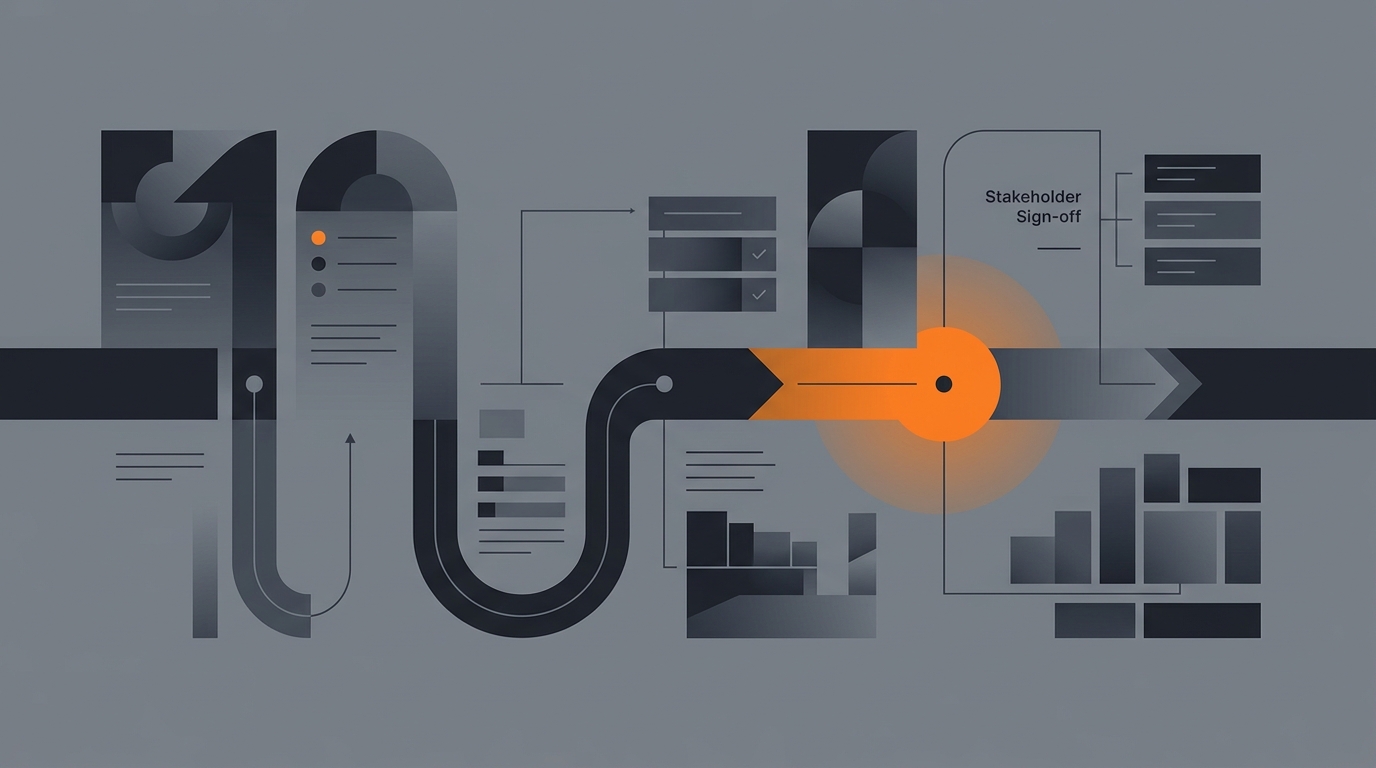
An agent PoC succeeds when the go-no-go decision is obvious within 6 weeks. It fails when scope creeps, baseline is missing, or no one is responsible for the call. The 25-item checklist below covers what to confirm…
AI Agent Platform RFP Template: 60 Questions for Enterprise Procurement
This is the RFP template I send when buyers ask "give me the question list". Sixty questions across six sections, with a 1-to-5 scoring rubric and walk-away criteria. The template assumes enterprise procurement;…
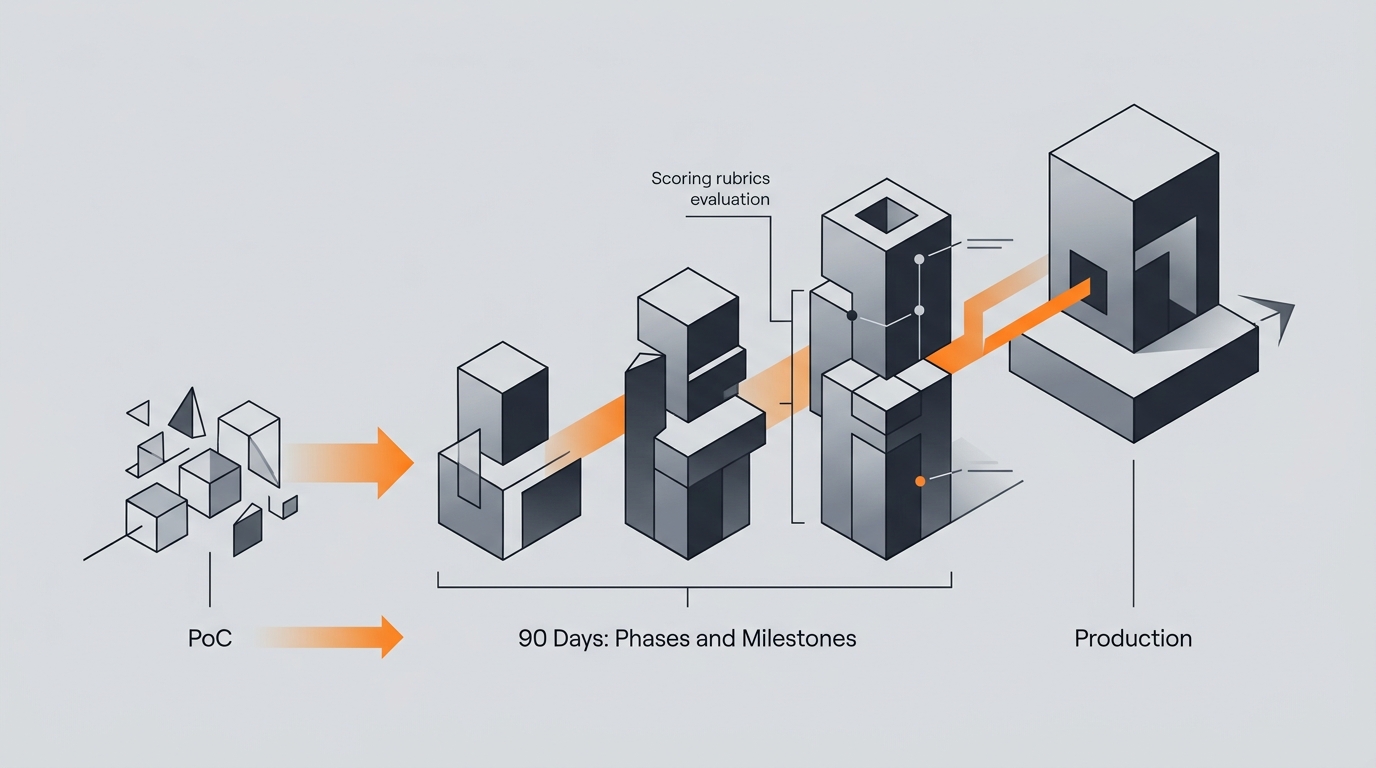
AI Agent Pilot Program Guide: From PoC to Production in 90 Days
A PoC tells you the technology works. A pilot tells you the deployment works. Most teams skip the pilot because the PoC succeeded; then production hits real volume, real users, and real operational concerns, and the…

AI Agent SOC 2 Compliance: What Auditors Actually Check
SOC 2 is the buyer-facing artifact most enterprise prospects ask for before they let an AI agent platform near their data. It is also one of the most misunderstood. The report does not certify your AI; it attests…
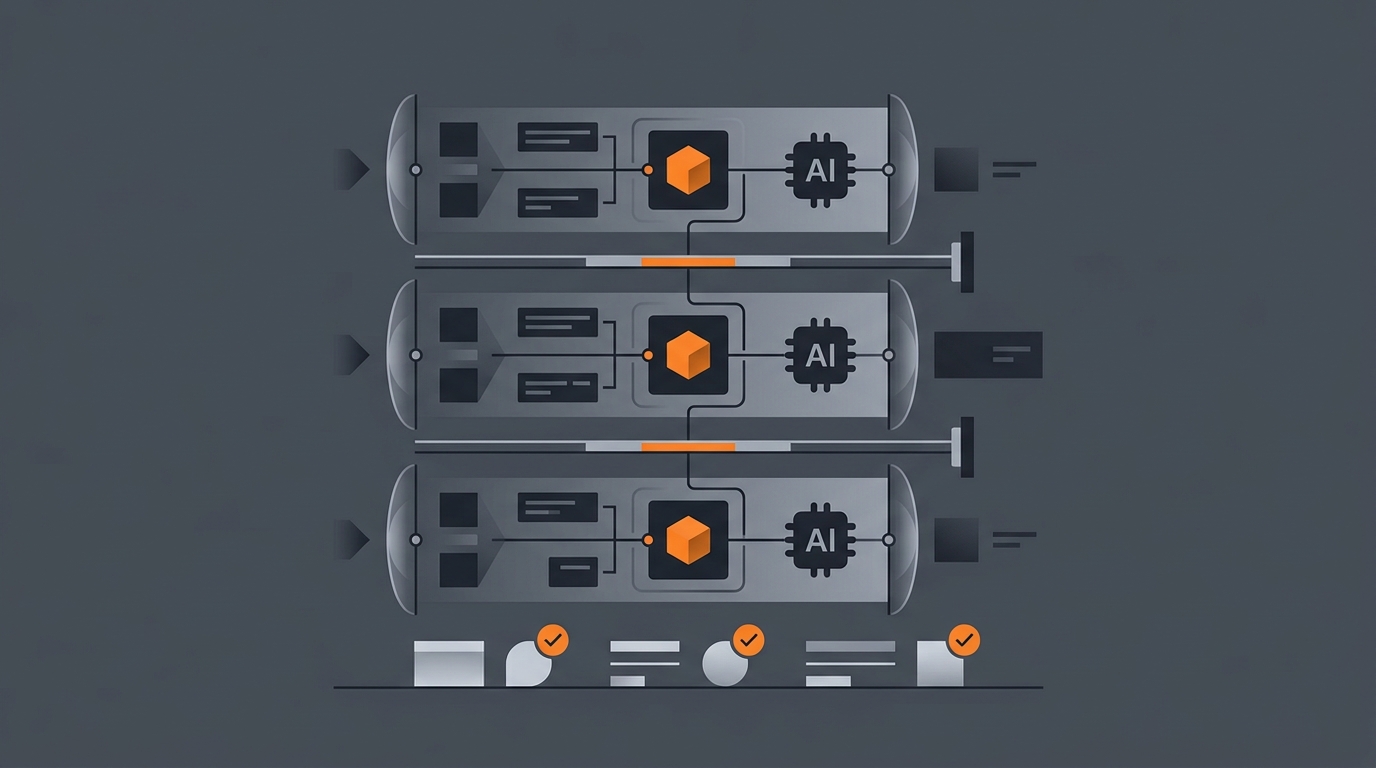
AI Agent Multi-Tenant Isolation: Patterns That Pass Audit
The classic SaaS isolation problem is well understood: keep tenant data, queries, and identity separated through the request path. An agent platform adds two new surfaces that have to follow the same rules. The…
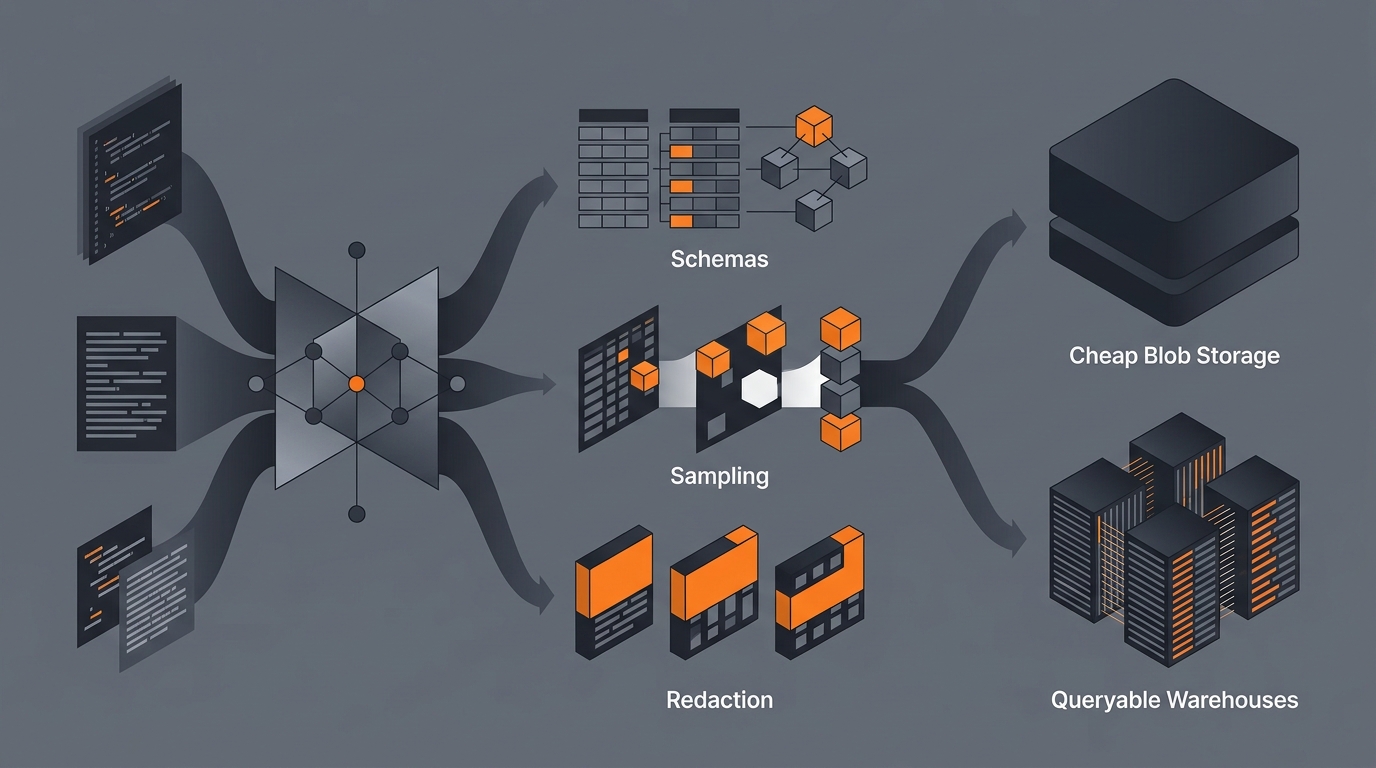
AI Agent Log Aggregation Patterns: Schemas, Sampling, Redaction
Agent logs grow fast. A single run easily writes dozens of structured events: orchestrator steps, model calls with input and output bodies, tool calls with payloads, retrieval queries with chunk text. Multiply by…
AI Agent Success Metrics: 12 KPIs, Targets and SLOs
An AI agent succeeds when it finishes the task, gets it right, does it reliably, costs less per successful task than doing it by hand, and stays inside its safety rules. You can measure that with 12 KPIs in six…
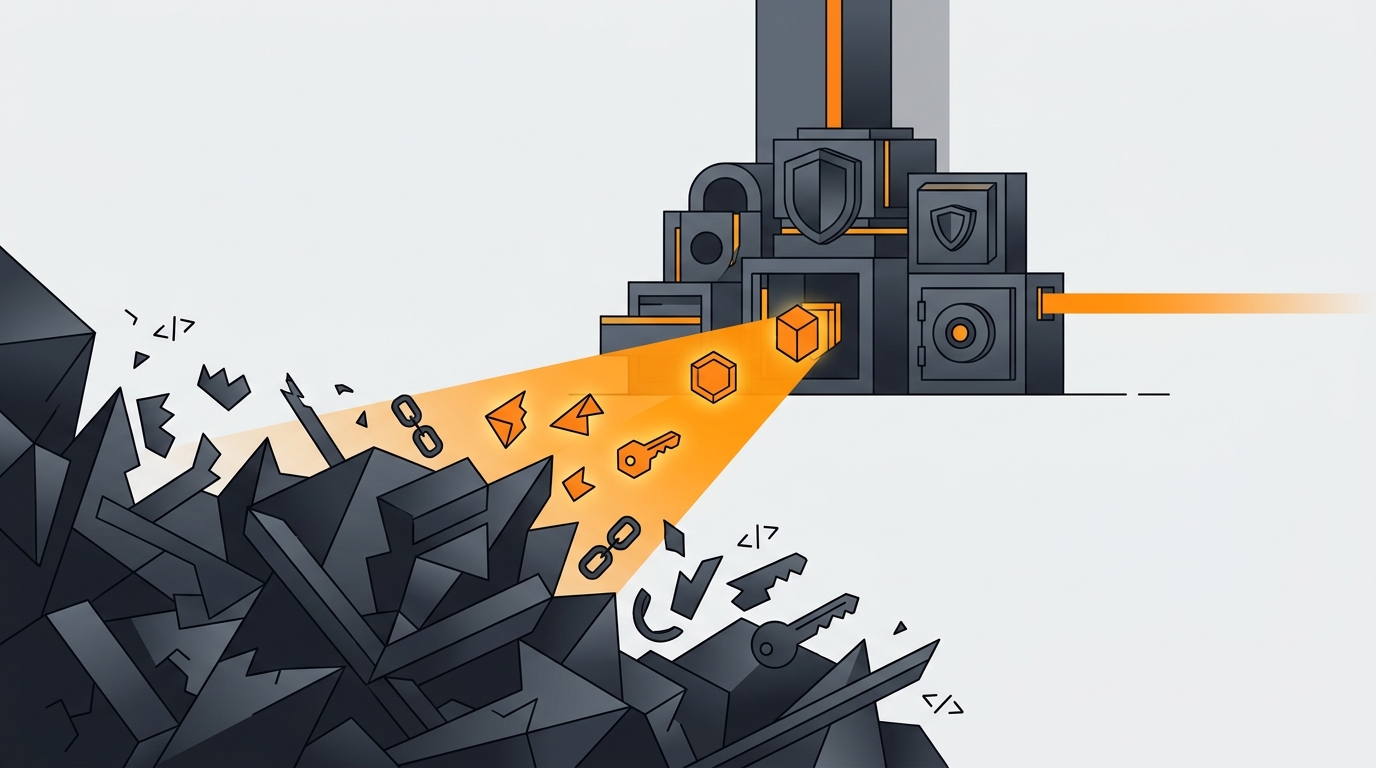
AI Agent Secret Management: Store Keys and Tokens Safely
An AI agent that calls five APIs holds five sets of credentials that an attacker can steal. That's not a hypothetical risk. The 2024 IBM Cost of a Data Breach Report found that stolen or compromised credentials…

AI Agent Performance Tuning: Cut Latency and Token Waste
Your AI agent works. It answers questions, calls tools, returns useful output. But it takes eight seconds to respond, and your token bill keeps climbing. Sound familiar? Performance tuning is the difference between…
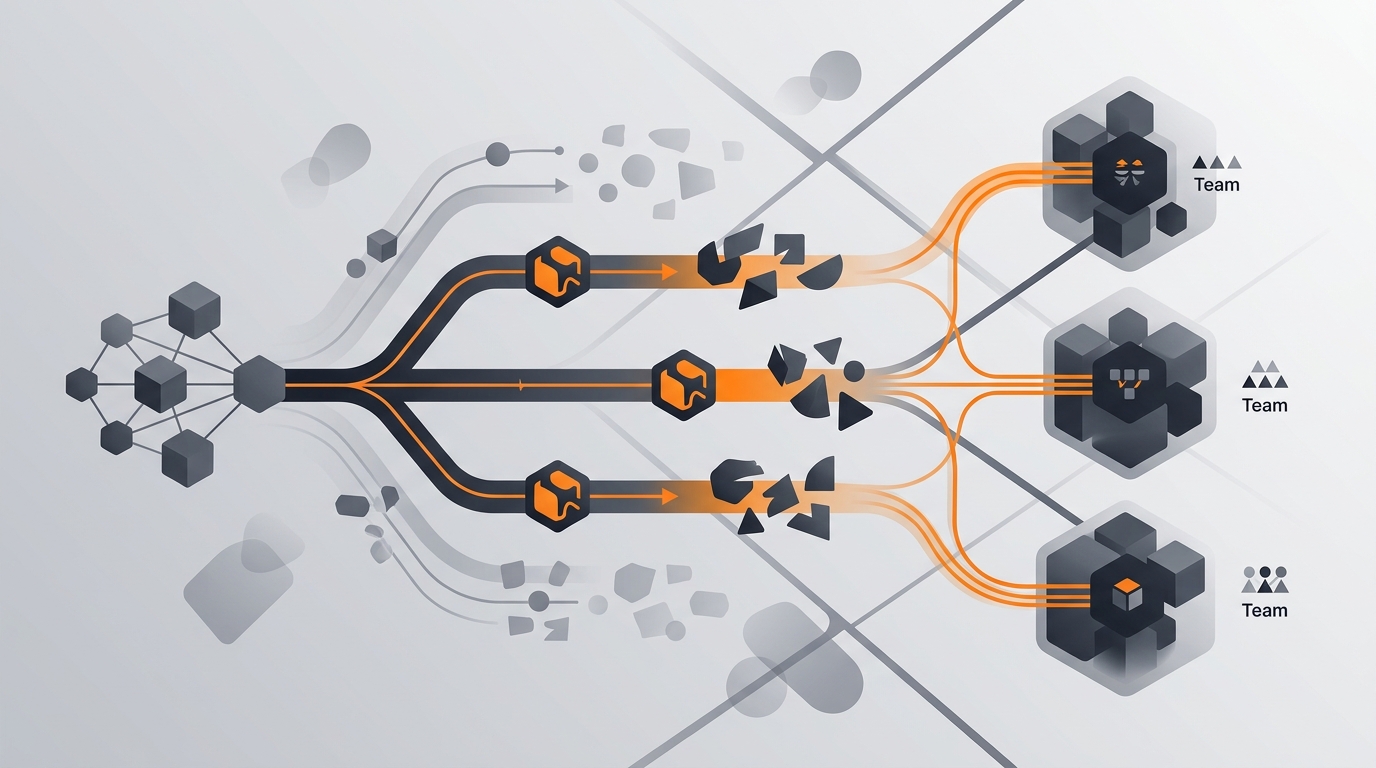
AI Agent Cost Attribution: Track Spend by Agent, Task, and Team
Your company runs 15 agents across four departments. The LLM bill arrives as a single line item. Finance asks: "Who spent what?" You don't have an answer. That gap between aggregate spend and per-team accountability…
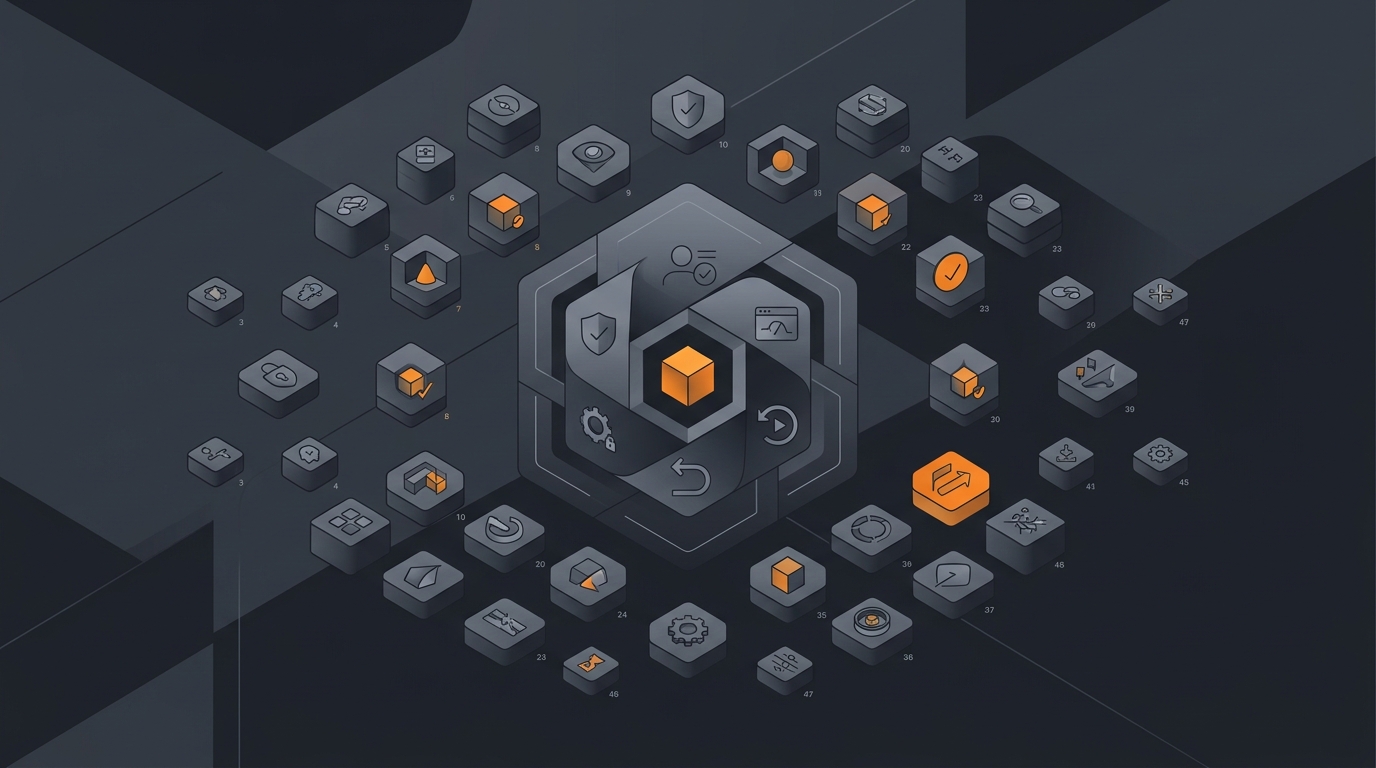
The AI Agent Security Checklist for 2026: 47 Controls Every Team Should Verify
Prompt injection is the #1 risk on the OWASP LLM Top 10 (OWASP, 2025). Agents amplify every LLM risk by adding tools, persistence, and autonomy. This checklist gives you 47 controls across 10 categories. Each control…
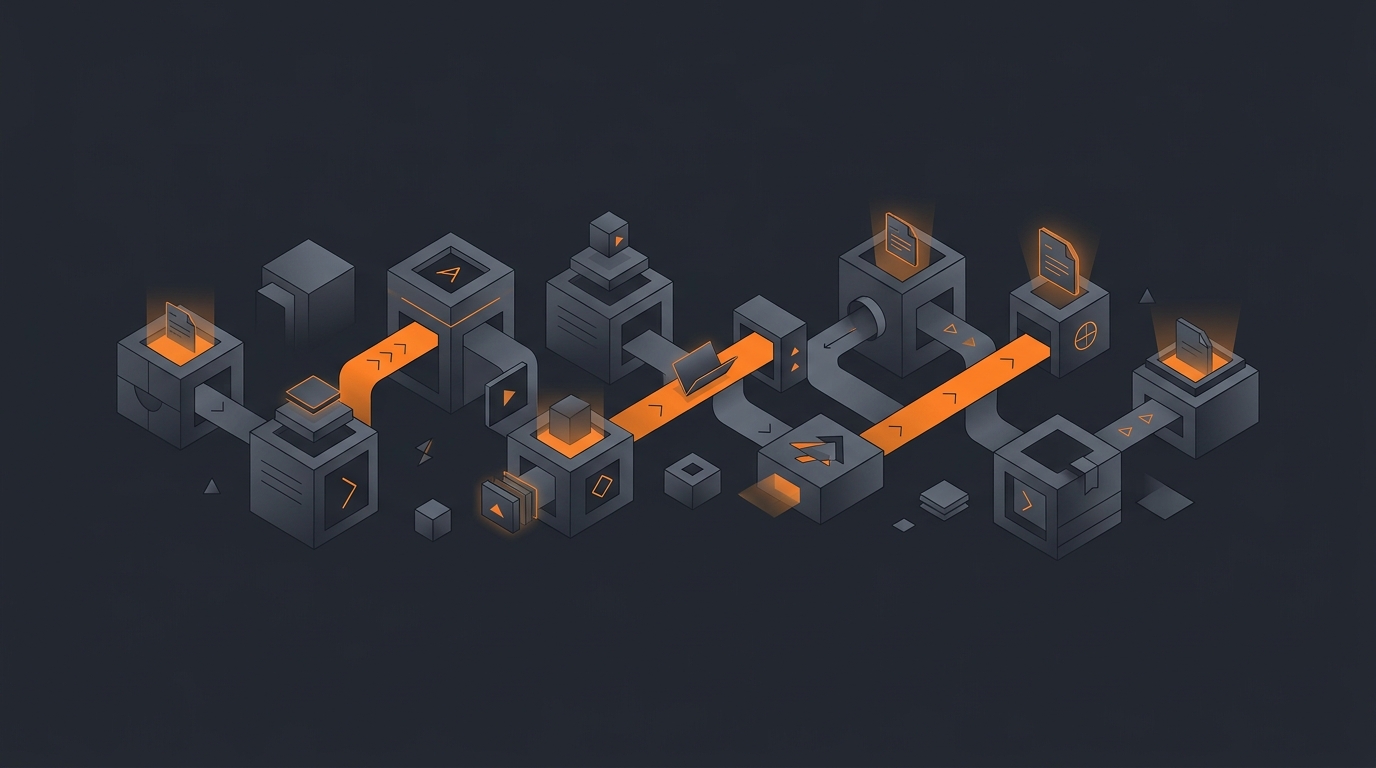
AI Agent Handoff Patterns: 8 Contracts That Don't Drop Work
A handoff is the contract between two agents (or one agent and a human) that specifies what gets passed, when, and what happens if the receiver is unavailable. Eight patterns cover most production cases. LangGraph,…
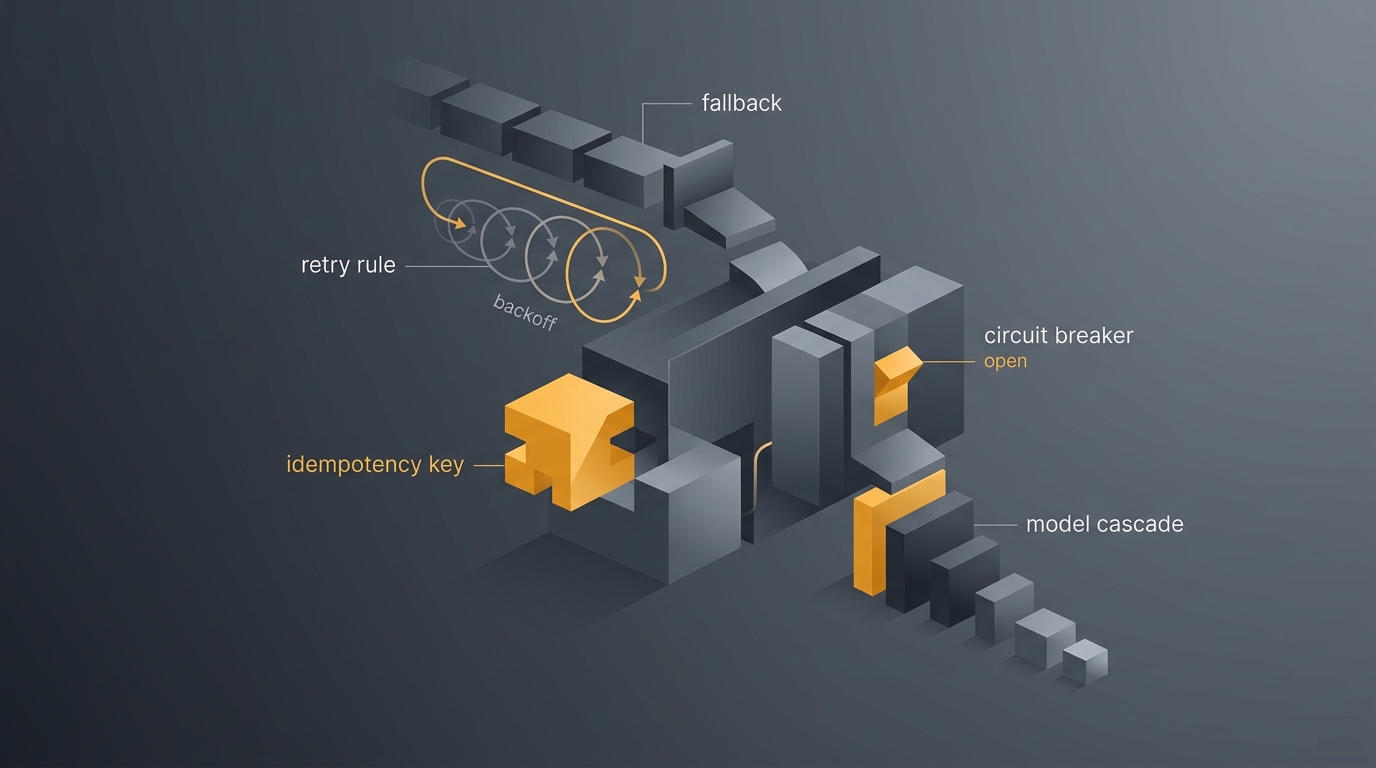
AI Agent Fallback and Retry: A 2026 Playbook for Idempotency, Backoff, and Model Cascades
Naive retries amplify outages; smart retries absorb them. The Google SRE book defines a retry budget so retries can't exceed a fixed fraction of normal load (Google SRE, ch. 22). For AI agents the same logic applies…
AI Agent Unit Economics for Builders (2026)
Builders keep asking the same question: is this agent actually worth shipping? Most answers floating around treat AI agents like SaaS products with seat counts and CACs. They are not. An agent is a piece of software…
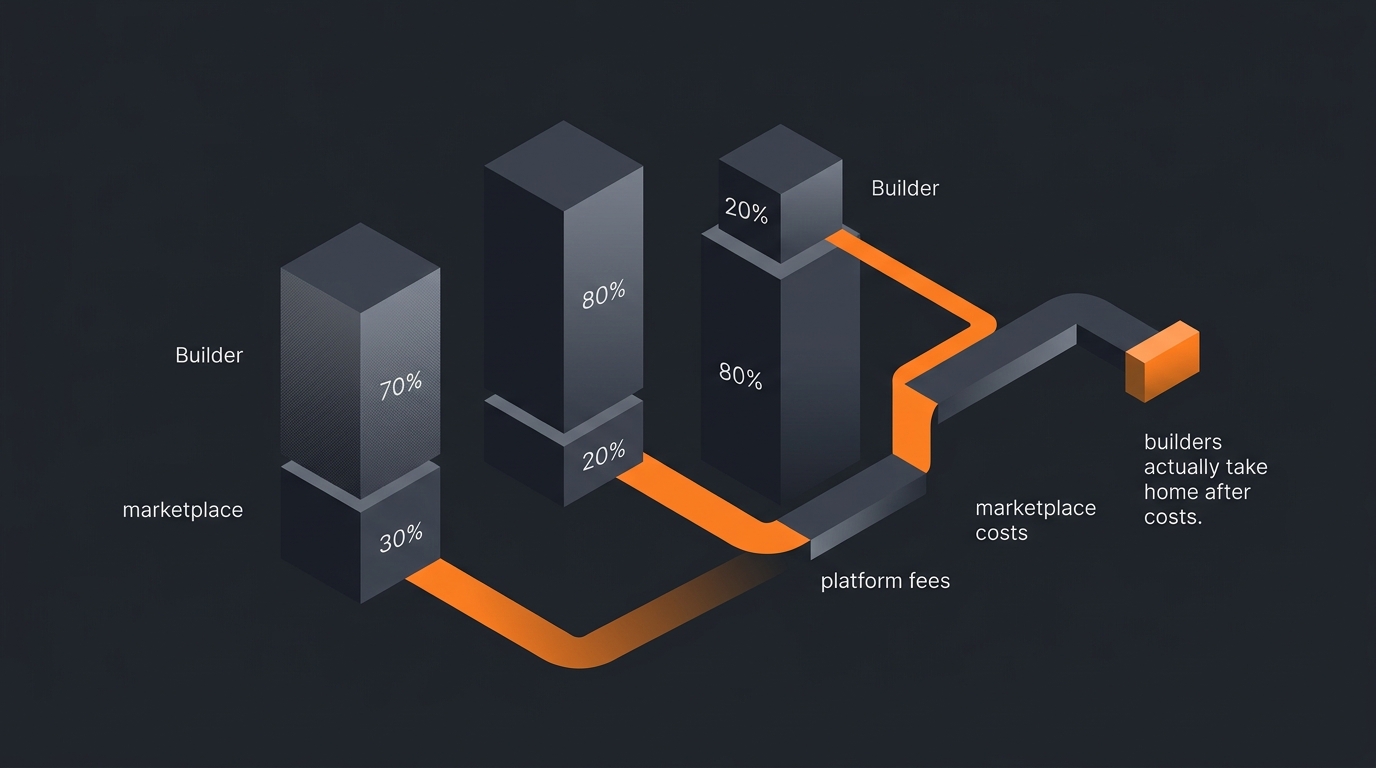
AI Agent Marketplace Splits Compared (2026)
Most builders look at a marketplace headline split, 70/30, 80/20, 95/5, and stop reading. That's the expensive mistake. The percentage is the smallest variable in the equation. What matters is everything sitting…
AI Agent Marketplace: The Complete 2026 Guide
Most teams don't need another tool to build an AI agent. They need an agent that already works. According to McKinsey's State of AI 2025 survey, 88% of organizations now report regularly using AI in at least one…