AI agents, by task
Every task in this section maps to an AI agent that runs it in 60 seconds. Builders ship the agent once; you pick the one you need and pay per use. Pick the agent that fits the work; Gravity handles distribution, matching, and execution.

AI Agent for Salesforce Data Hygiene (2026): How It Works
A CRM full of duplicates, missing fields, and stale records is the most expensive piece of software a revenue team owns, and the cheapest to fix if anyone has the time. Nobody has the time. A data-hygiene agent runs…
AI Agent for Notion Daily Rollup: How It Works
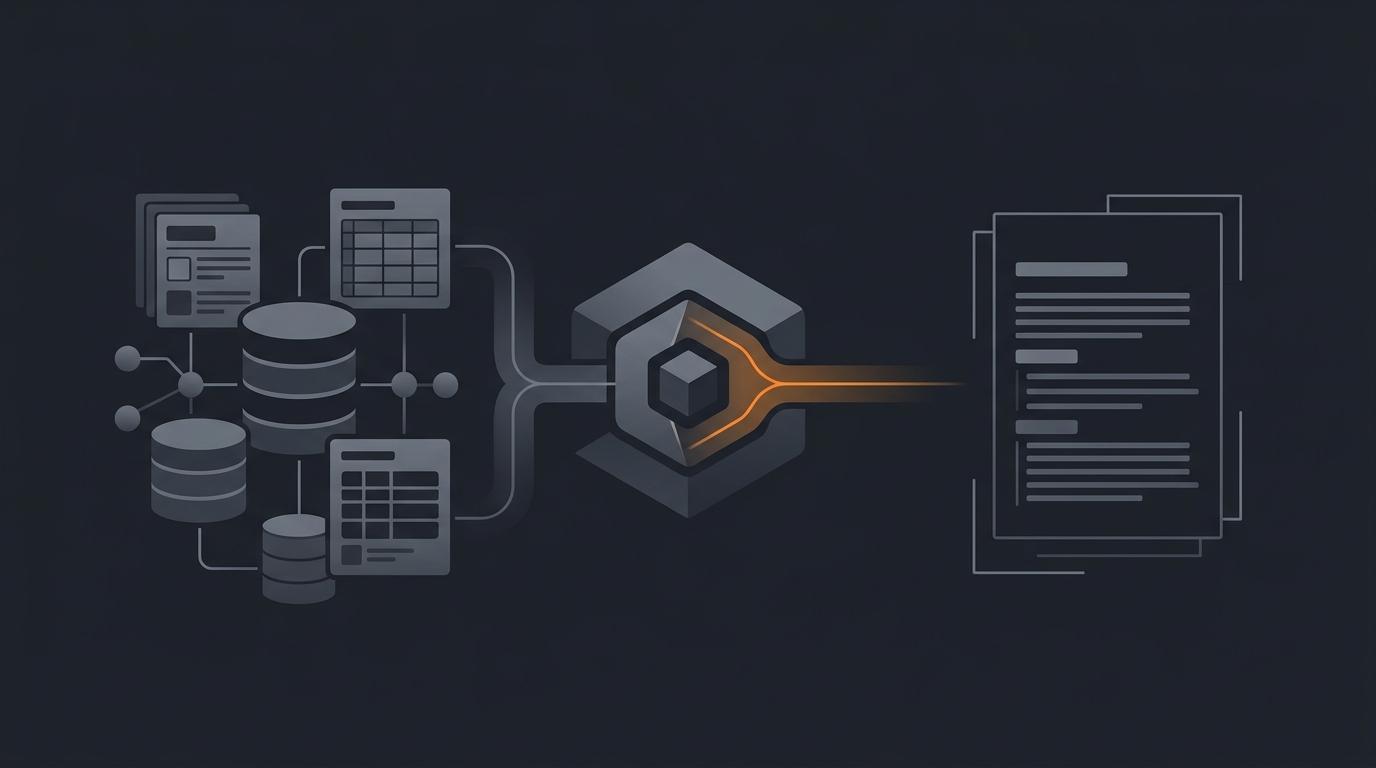
A Notion daily rollup agent reads activity across a fixed set of databases and produces one dated summary page. It is the moral equivalent of the standup notes a team writes at the start of every day, except the team…
AI Agent for Mailchimp Segmentation: How It Works
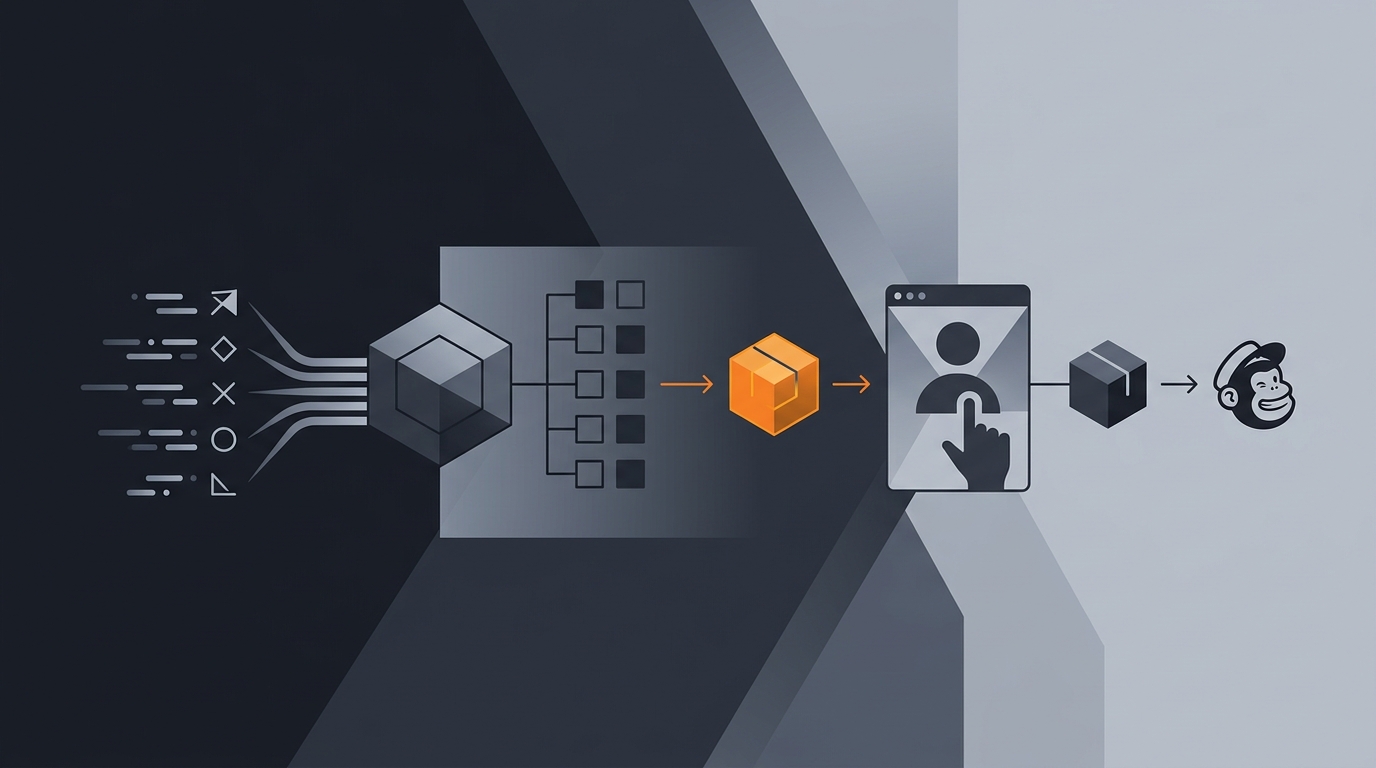
A Mailchimp segmentation agent reads behaviour data and proposes audience segments. It does not send. It does not subscribe or unsubscribe. It does not run campaigns. Its job is the work the marketer would otherwise…
AI Agent for Linear Sprint Summary: How It Works
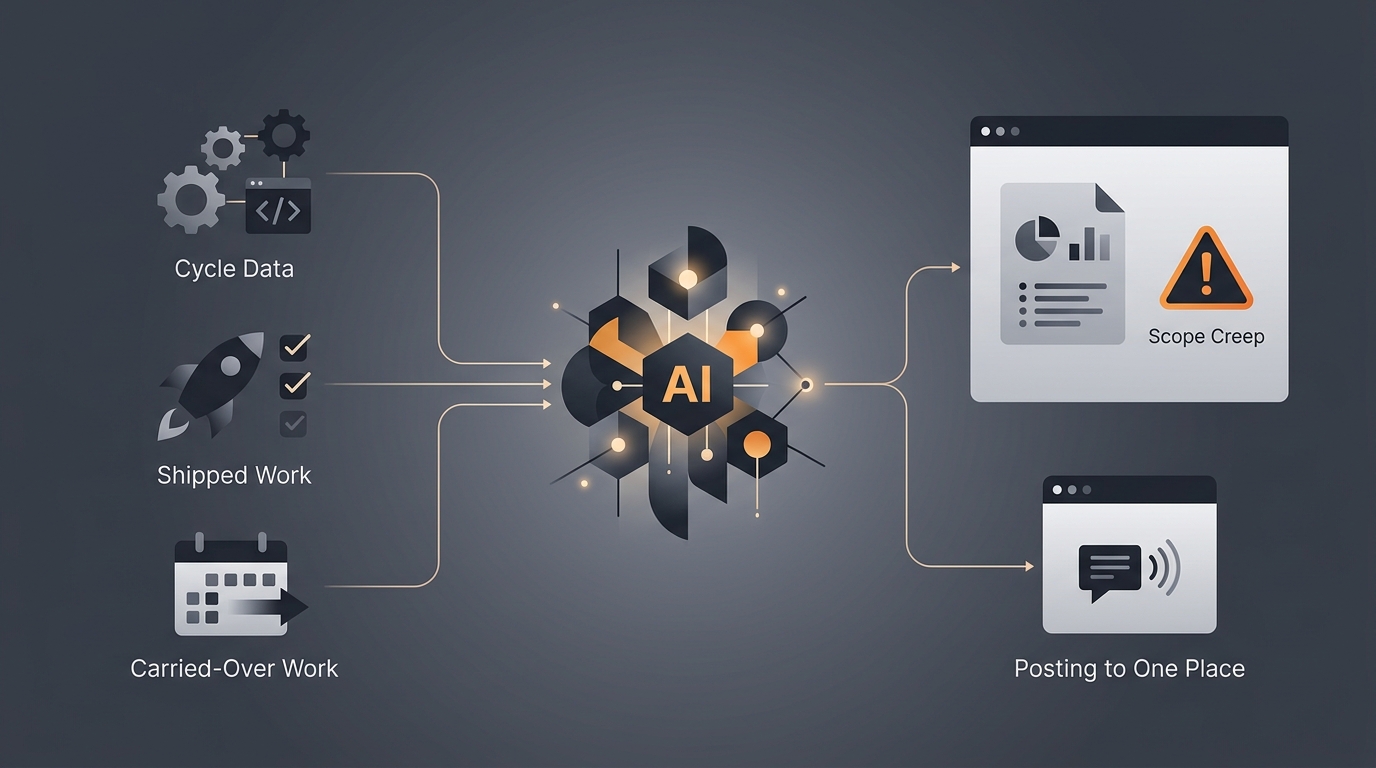
A Linear sprint summary agent runs at the end of a cycle and produces a written record of what shipped, what slid, what the team added mid-cycle, and what got cut. It replaces the manual end-of-cycle write-up that…

AI Agent for Intercom Auto-responder: How It Works
An Intercom auto-responder is a customer-facing surface, which means it has to do two contradictory things well. It has to respond quickly enough that customers feel heard, and it has to be wrong rarely enough that…

AI Agent for HubSpot Lead Scoring: How It Works
A HubSpot lead scoring agent reads the data HubSpot already holds and produces a single score and a one-paragraph rationale for every contact. The SDR opens the contact, sees the score and the top three contributing…
AI Agent for GA4 Weekly Summary: How It Works
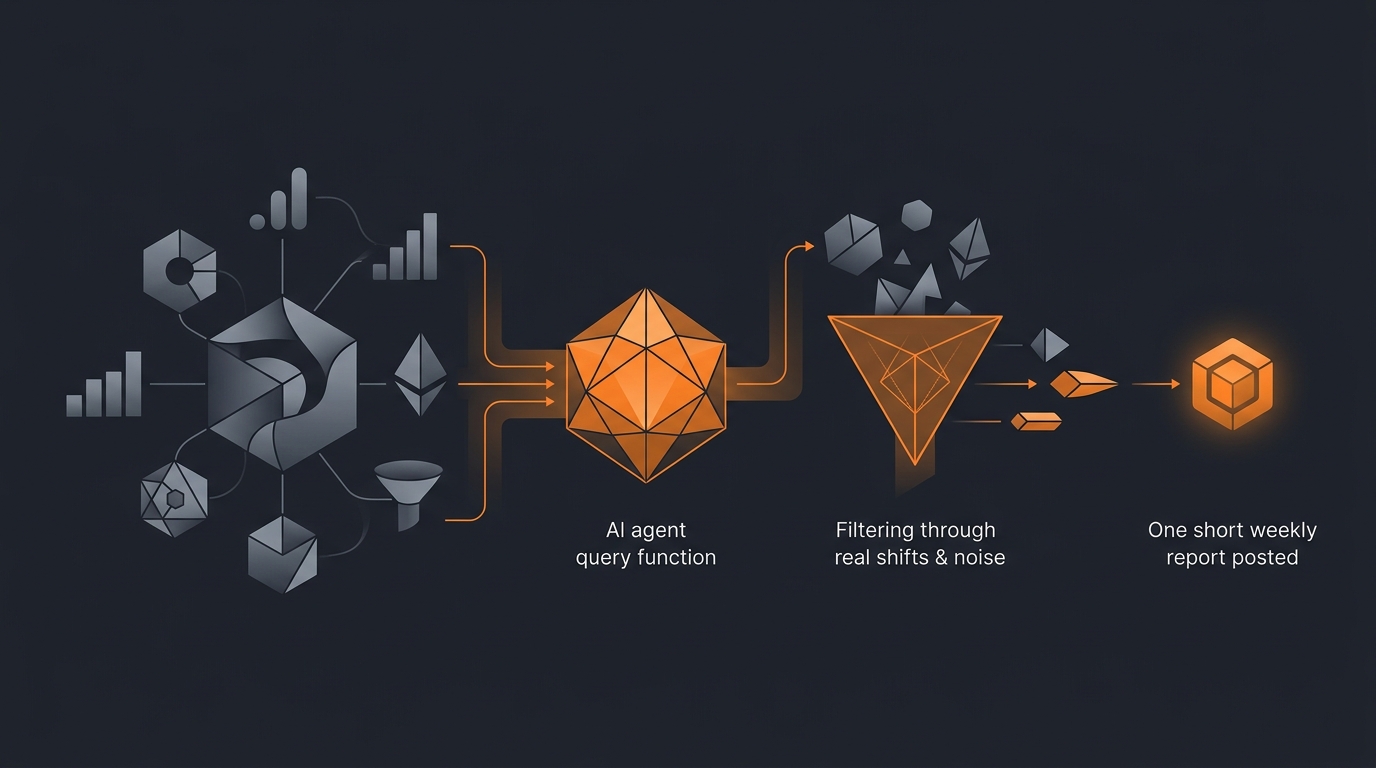
Most teams ignore Google Analytics until something is on fire. By the time something is on fire, the analytics signal has been visible for two or three weeks and nobody looked. A weekly summary agent removes the…

AI Agent for Expense Categorisation: How It Works
An expense-categorisation agent does the same job a bookkeeper does in QuickBooks or Xero, but for every transaction the company posts, not just the ones that get to month-end. It reads the corporate card feed, reads…

AI Agent for Calendly Follow-up: How It Works
A Calendly follow-up agent listens for booking events, treats each invitee as a small workflow, and runs the sequence from confirmation to either a held meeting or a no-show recovery. It is not a drip campaign. It is…
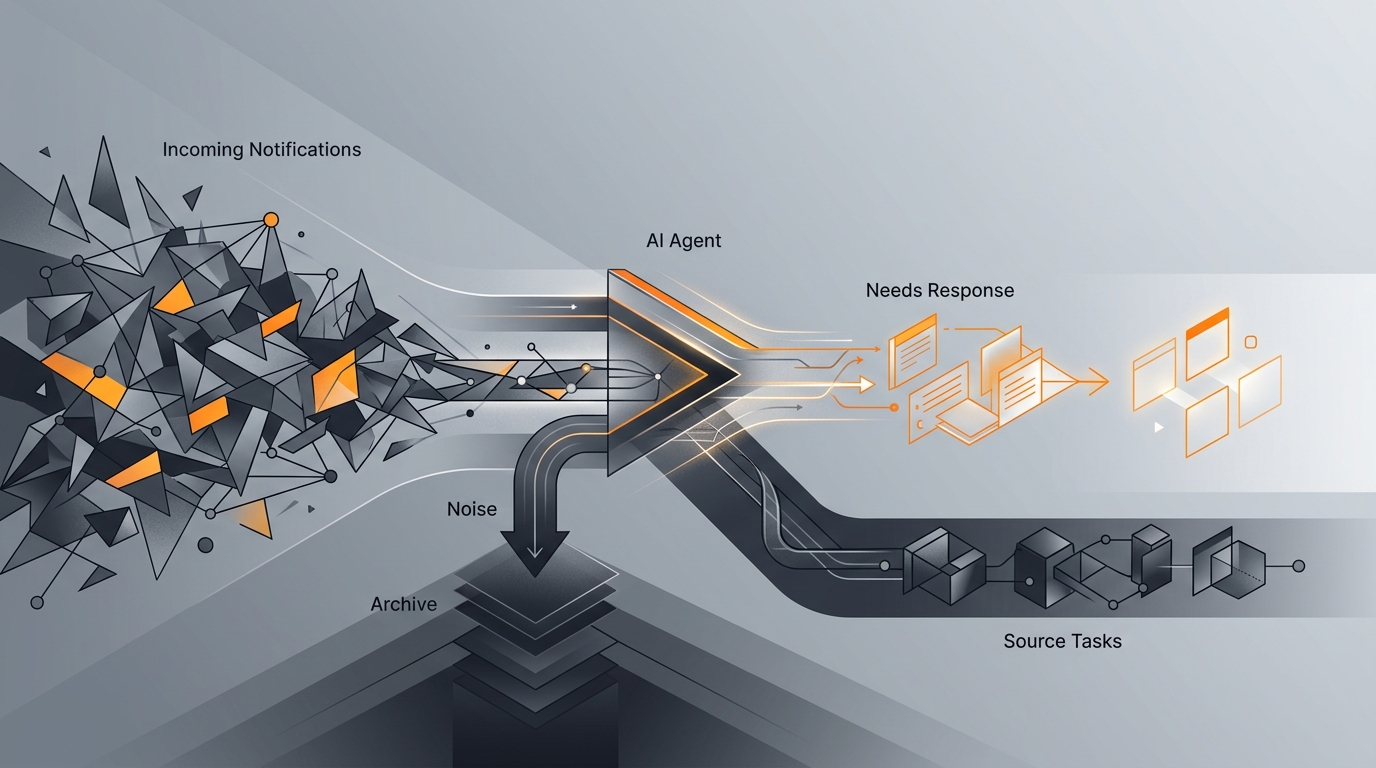
AI Agent for Asana Inbox Zero: How It Works
Asana inboxes accumulate. A user on a healthy team sees 60 to 120 inbox notifications a day: comments, mentions, status updates, task assignments, automation pings, due-date reminders. Less than 10% of these actually…

AI Agent for Stripe Failed Payment Recovery
Failed payments are the silent revenue tax of subscription businesses. A meaningful share of what gets called "churn" is actually involuntary: a card expired, a soft decline never recovered, an insufficient-funds…
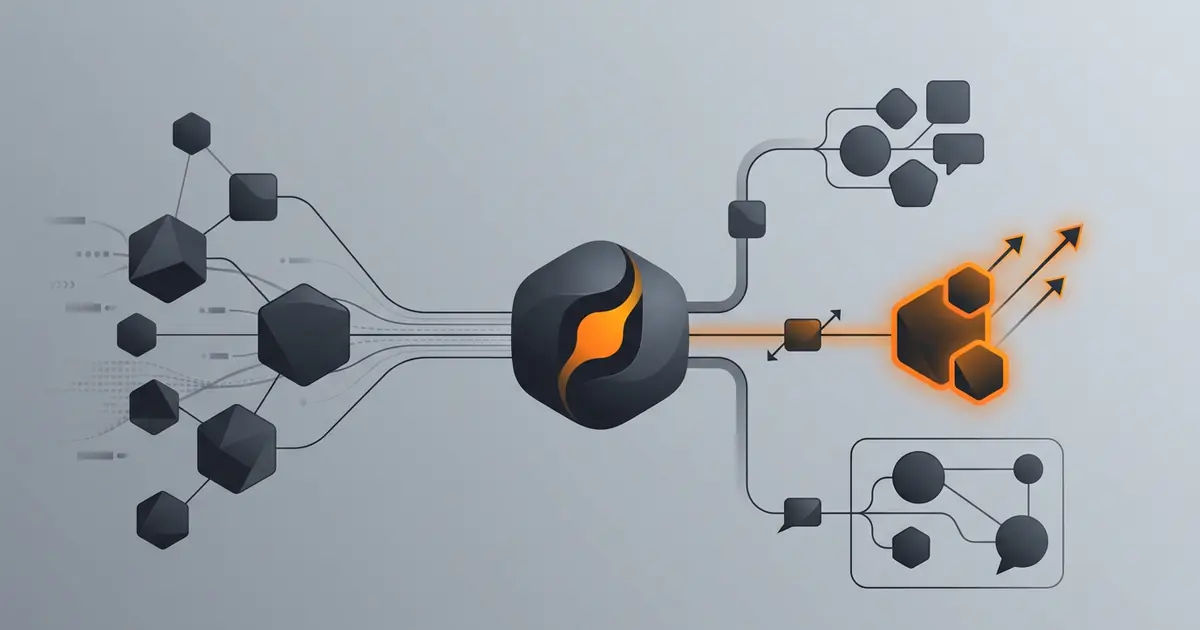
AI Agent for Slack Triage: How It Works
Slack channels accumulate three kinds of messages: the ones that need a fast reply, the ones that need an answer eventually, and the ones that need nothing. A triage agent's job is to make the first two visible and…

AI Agent for Shopify Abandoned Cart Recovery
Abandoned carts are the largest single conversion-recoverable signal a Shopify store has. Shopify's built-in flow recovers a meaningful share of them with a single email; an agent layer recovers a larger share with…

AI Agent for LinkedIn Content: A Sane Setup
The fastest way to ruin your LinkedIn presence is to point an AI agent at a generic prompt and tell it to post five times a week. The fastest way to keep your LinkedIn presence is to point an AI agent at a real…

AI Agent for Invoice Chasing: How It Works
Late invoices are the cash-flow tax that small businesses pay every month. The work of chasing them is unloved, slightly awkward, and almost always overdue. An AI agent can carry the load, but only if it does the…

AI Agent for Grocery Reorder: How to Set It Up
Grocery reorder is one of the few agent use cases where the value is obvious and the failure modes are obvious. The value is the 30 minutes a week you do not spend rebuilding the same basket. The failure mode is a…

AI Agent for GitHub PR Triage: How It Works
Open pull requests pile up faster than maintainers can route them. Most of that delay is mechanical (which area is this, who owns it, which reviewer is least swamped) and machine-friendly. A PR triage agent does the…

AI Agent for Meeting Follow-Ups: From Notes to Tasks
The post-meeting half hour is the most common place where good intent dies. People agreed to do things; nobody captured who, by when, or what exactly. The follow-up email never goes out. The action items never become…

AI Agent for Inbox Triage: Setup and 30-Day Reality Check
An inbox triage agent is the most popular first agent for a reason. The job is well-defined (read inbox, produce a summary), the failure mode is mild (a wrong summary, not a wrong send), and the value is immediate…

AI Agent for Competitor Tracking: A Practical Setup
Competitor tracking is the use case where the agent shape really pays off. The work is repetitive (read public pages on a schedule), the inputs are stable (a known list of URLs and accounts), the failure mode is mild…

AI Agent for Cold Lead Follow-Up: How It Works
Cold lead follow-up is the use case sales teams want most and the use case where an AI agent is most likely to misbehave. The mechanics are easy: read a lead record, compose a follow-up, send. The hard part is…