Notes on getting work done by agents
Comparisons, prices as of this month, and what actually works when you hand a task to an AI agent. Written by the people who build and test them.

AI Agent for Recurring Meeting Summaries
The weekly team meeting, the biweekly project sync, the monthly leadership review: these standing meetings are where a lot of work is steered, and where the record is usually worst. Someone takes notes one week,…
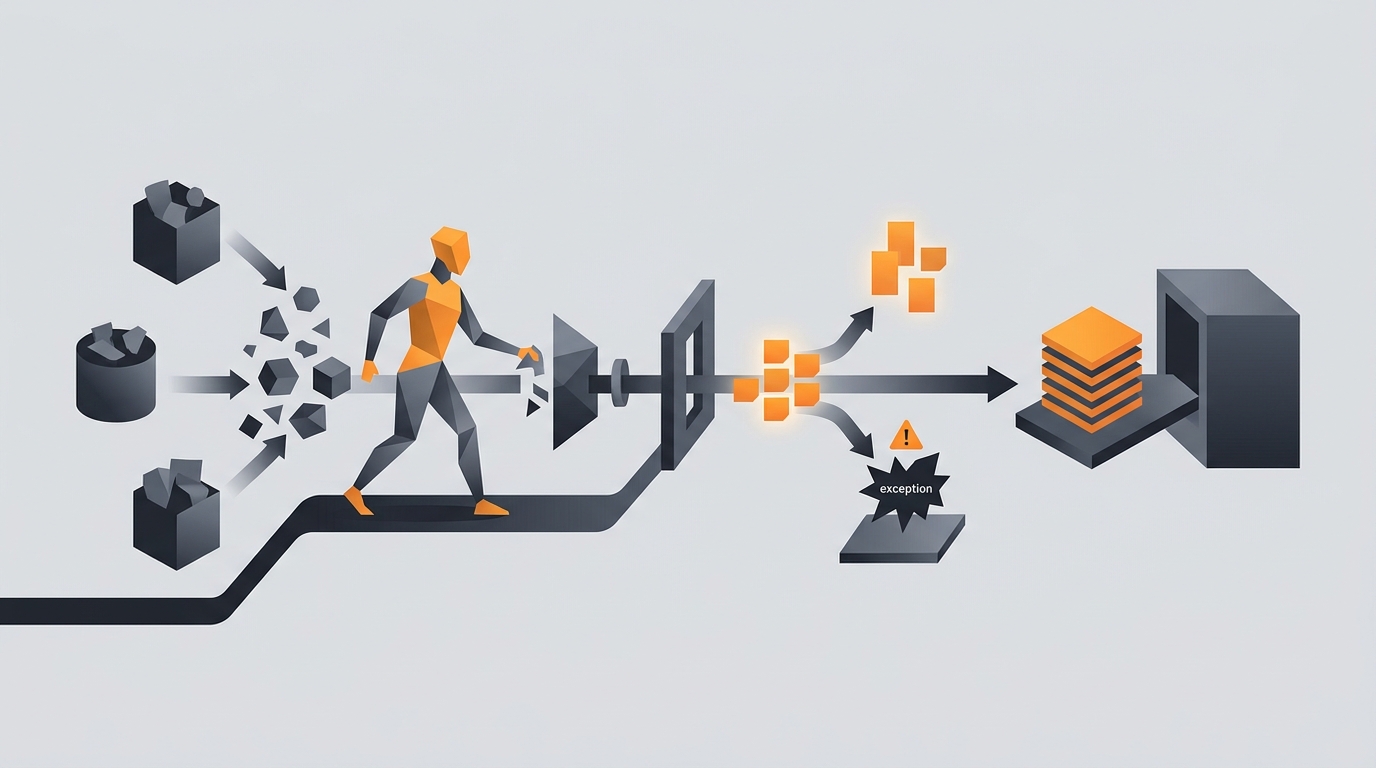
AI Agent for Payroll Prep
Payroll is the one process where a small input error becomes a personal problem for someone on your team. A missed timesheet, a new hire who was not added, a raise that did not carry over, and a paycheck is wrong,…
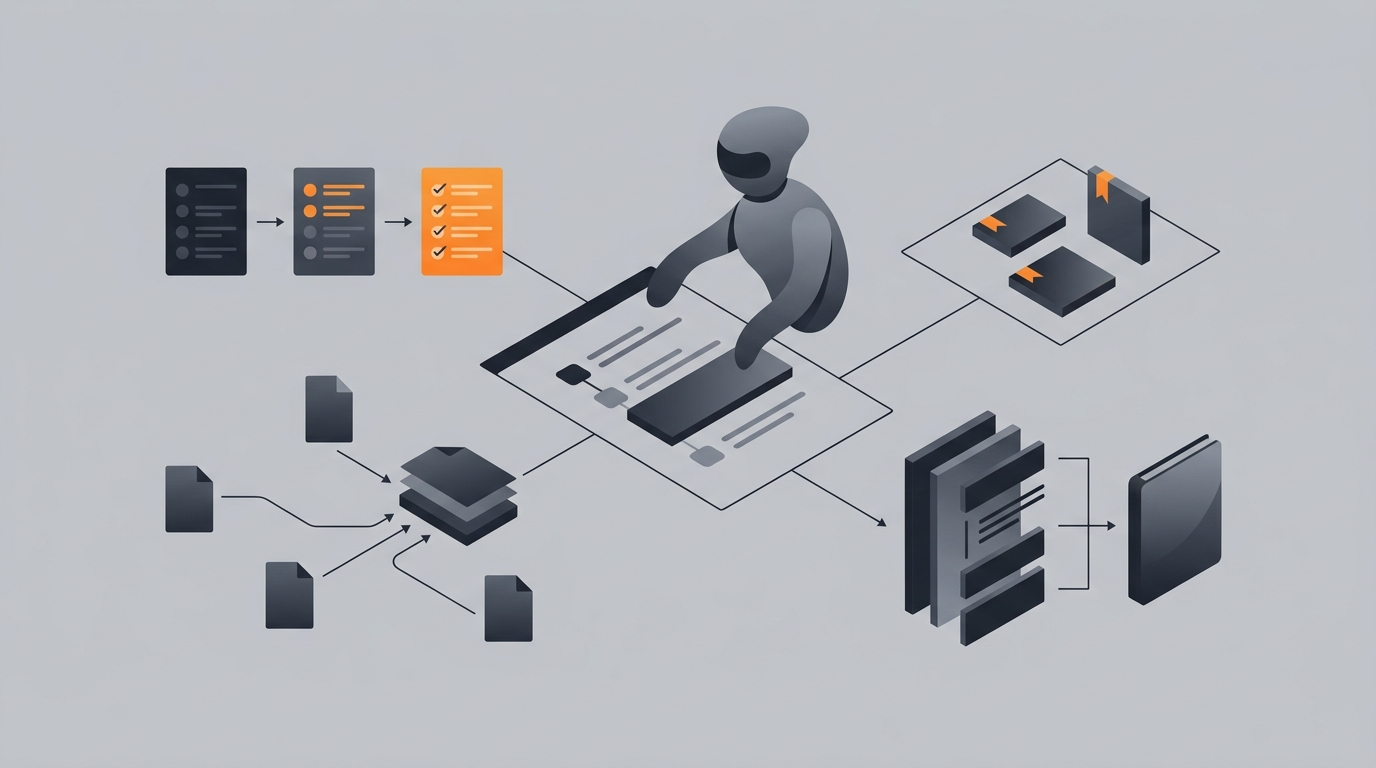
AI Agent for Month-End Close Checklist
The month-end close is rarely hard accounting. It is mostly coordination: forty small tasks across a few people, each waiting on a document, a reconciliation, or someone else finishing their part. The work that slows…

AI Agent for Sales Call Follow-Up and CRM Notes
Everyone agrees the CRM should be up to date, and almost nobody keeps it that way. After a good call you mean to log the next steps, bump the deal stage, and note that the buyer mentioned a budget freeze until Q3,…
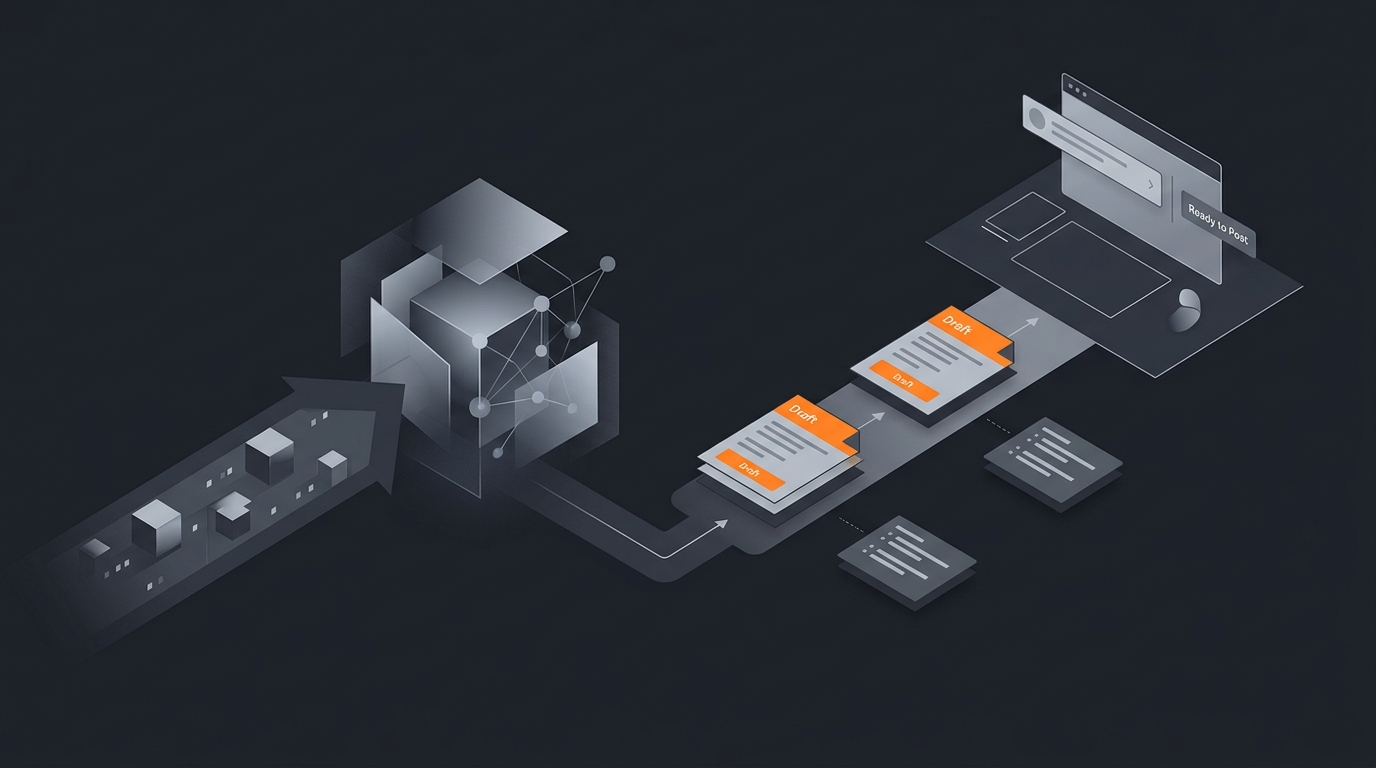
AI Agent for Journal Entry Automation
Every close has a stack of journal entries that look the same month after month. The rent prepayment gets amortized, the unpaid wages get accrued, the new laptop starts depreciating, and a handful of costs get…
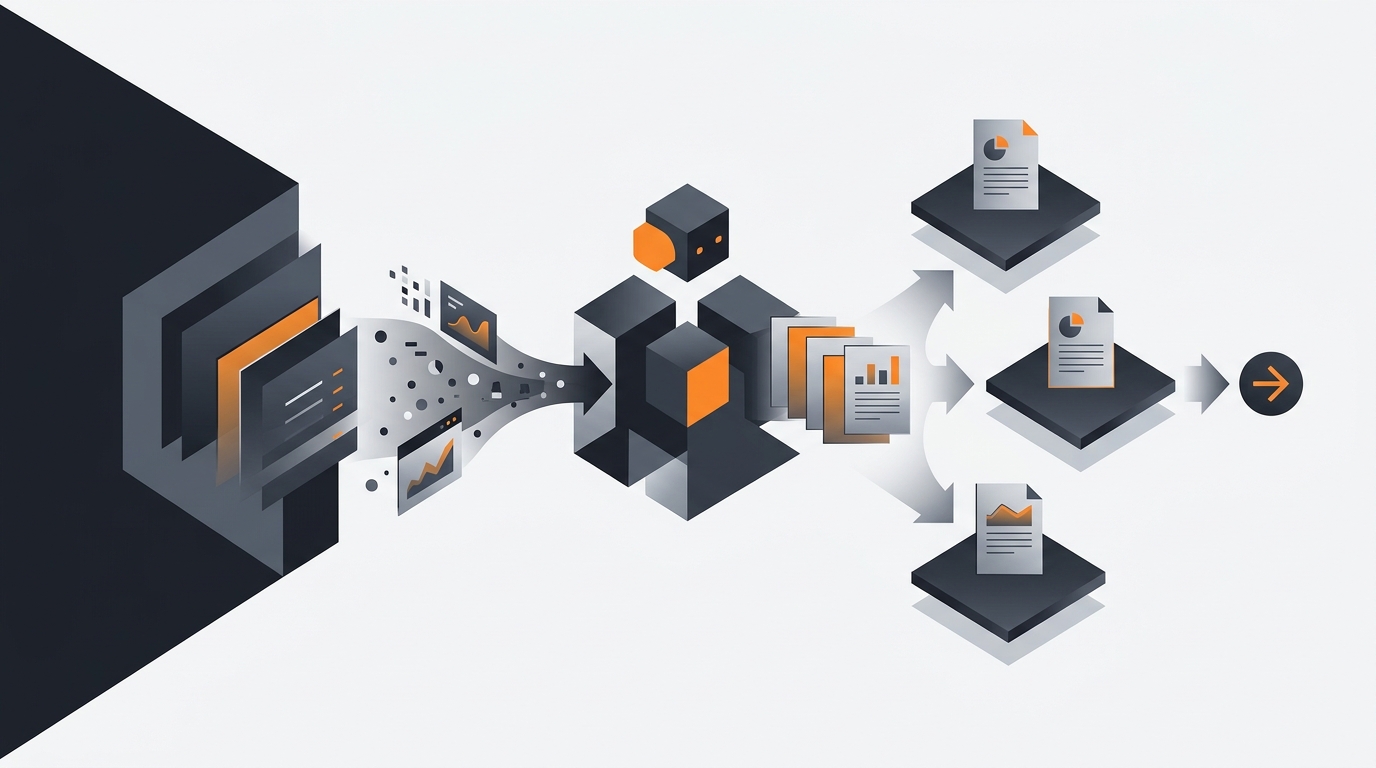
AI Agent for Financial Report Generation
The monthly reporting pack eats a day that could be spent thinking about the business. Someone exports the trial balance, rebuilds the same profit-and-loss summary, updates the cash slide, recalculates the variance…
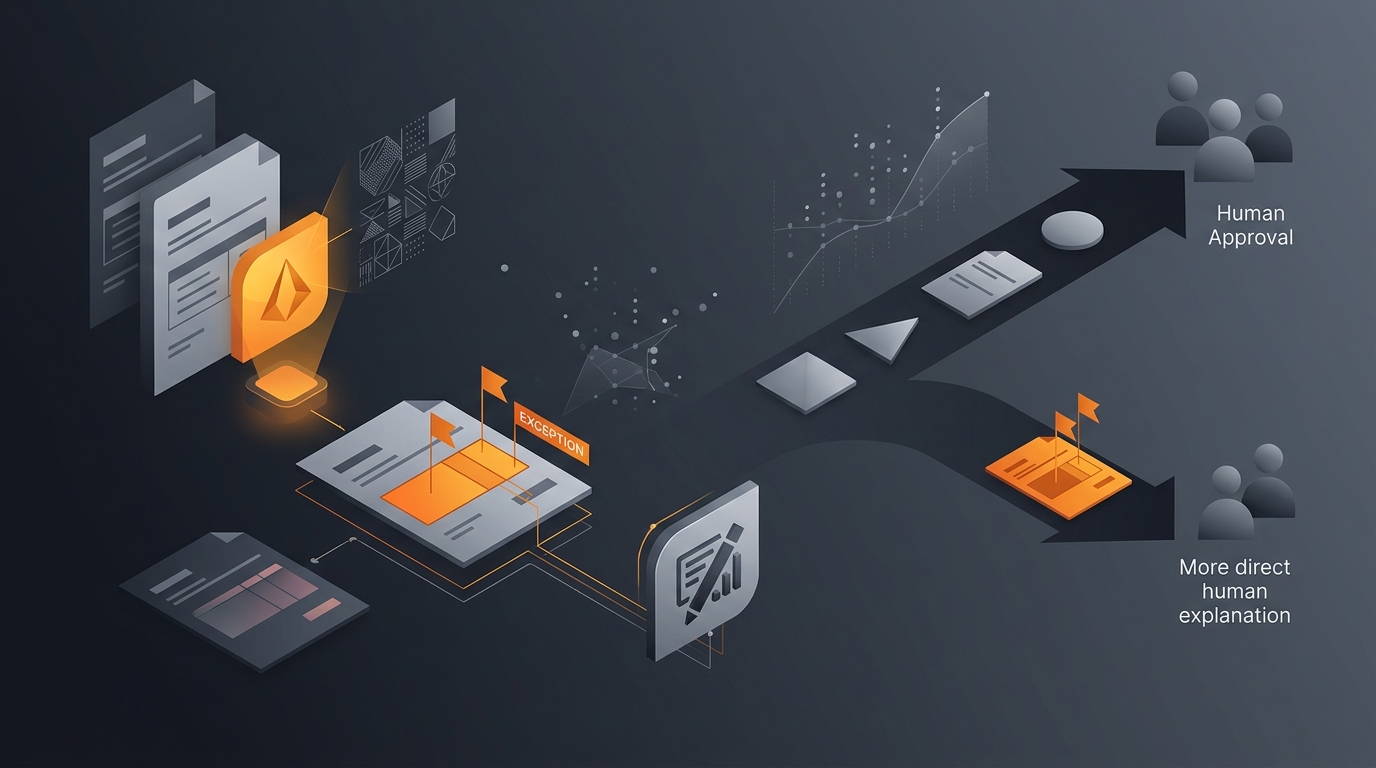
AI Agent for Expense Report Approval
Approving expense reports is a manager's least favourite recurring task. Most submissions are fine, so the work is mostly opening each one, scanning for a missing receipt or an obvious breach, and clicking approve,…

Monthly Retro: Building Gravity in June 2026
I am Aryan, and I am building Gravity from Bangalore. This is the June 2026 retro, written the way I want to remember the month: honestly, in the open, before the polish sets in. Gravity is still pre-launch. There is…
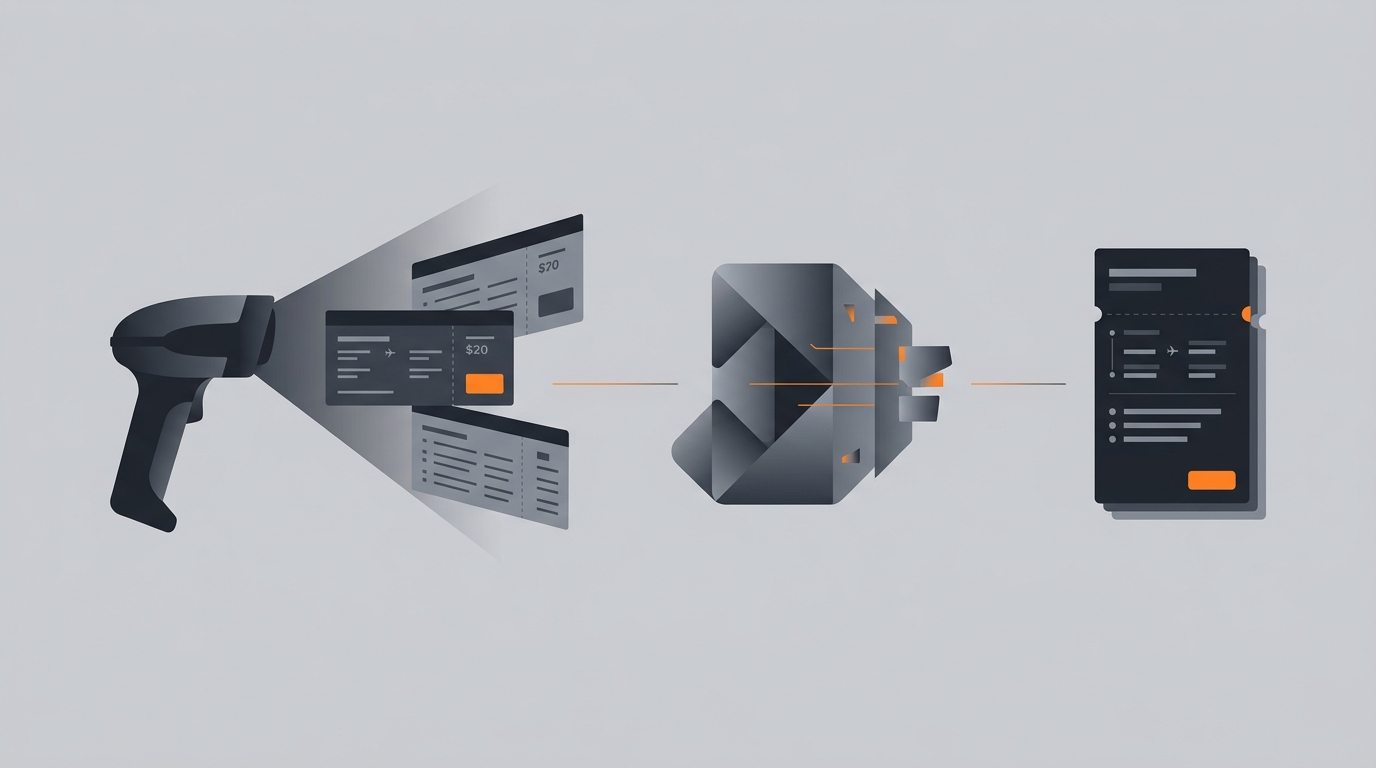
AI Agent for Travel Booking Optimization: A Workflow
Booking a trip well is a tab-refreshing chore. You compare a dozen fares, keep checking whether the price dropped, weigh a cheaper flight against a brutal layover, and then double-check it all fits the budget and, if…
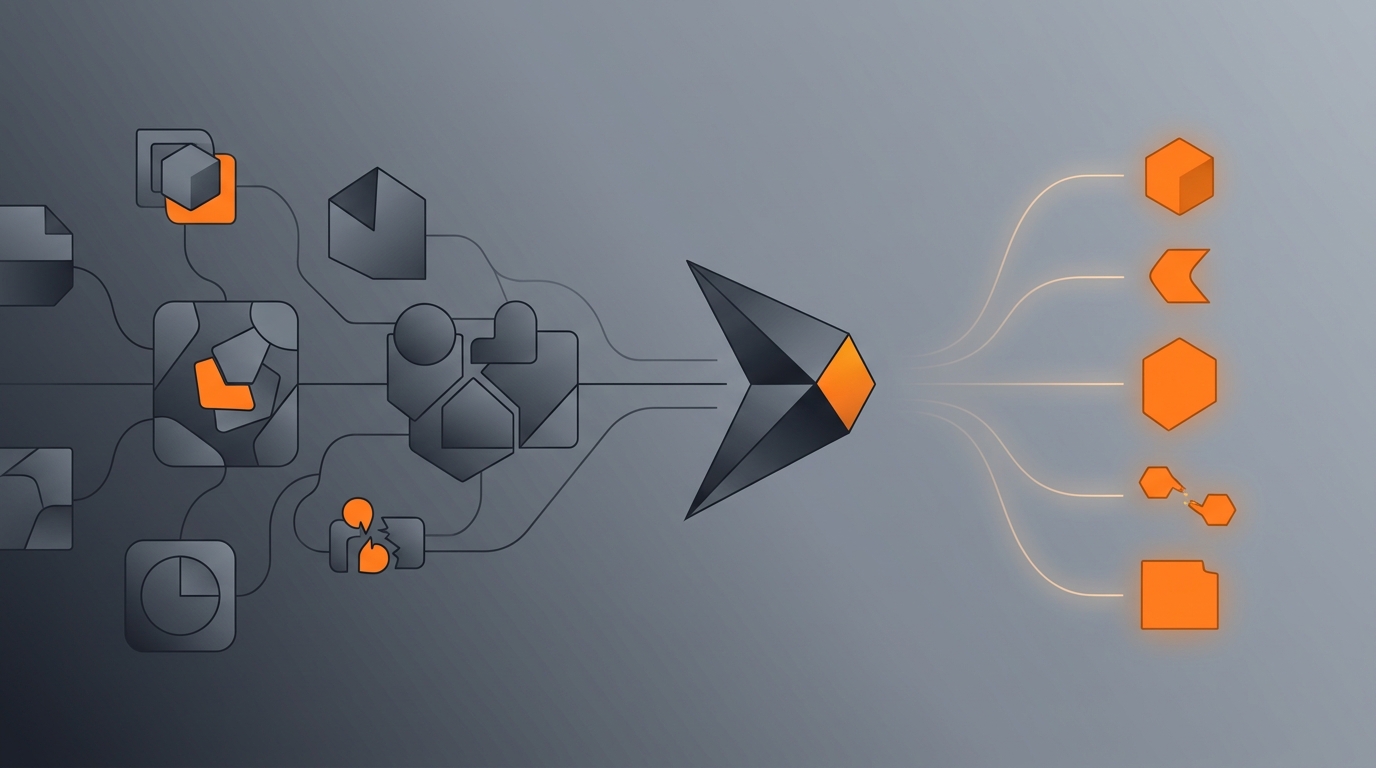
AI Agent for QuickBooks Discrepancy Detection
A clean set of books rarely stays clean by itself. A vendor gets entered twice, an office lunch lands in the wrong expense account, a payment is recorded as $1,500 instead of $150, and none of it announces itself. By…
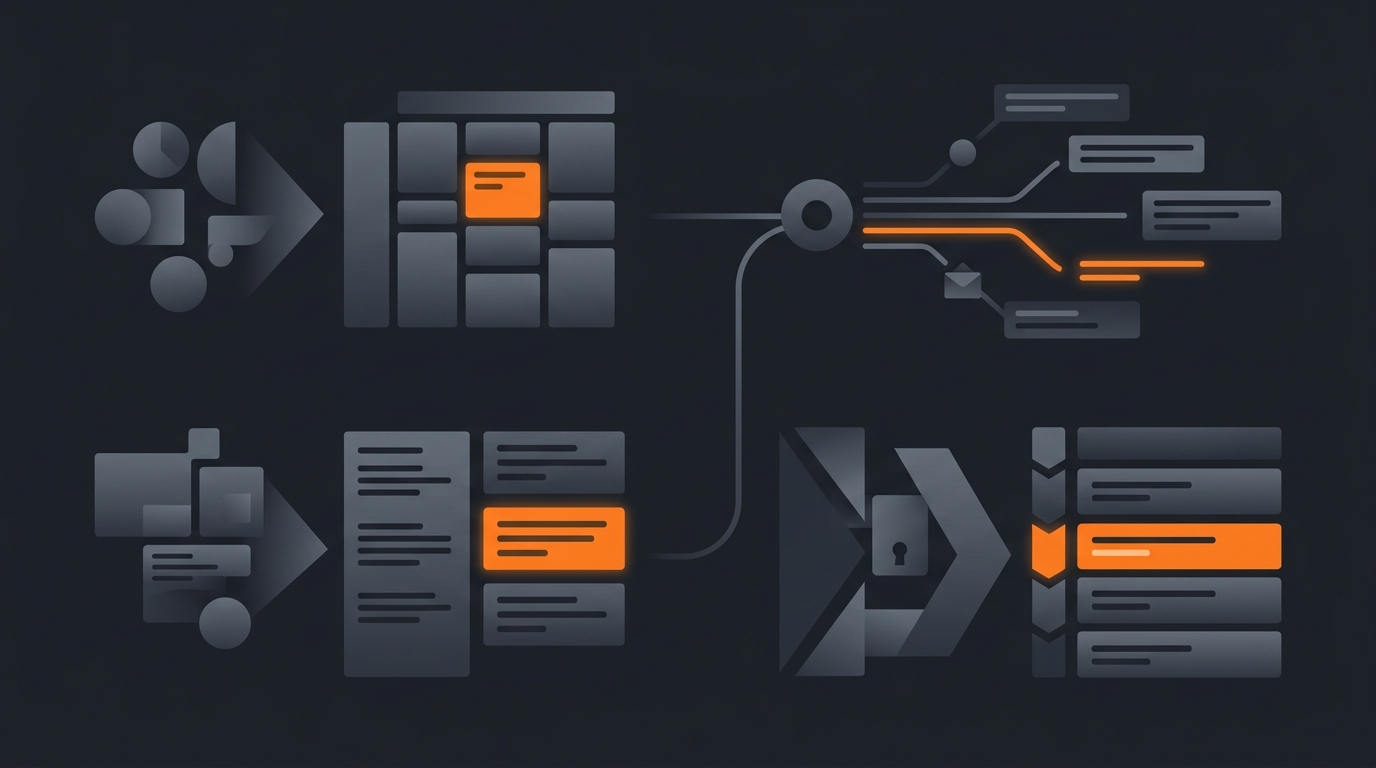
AI Agent for Conference Prep Automation: A How-To
The week before a big conference is its own kind of work. You scroll a hundred-session agenda, guess which talks matter, dig up who you are meeting, and try to book coffees before every slot fills. Most of it gets…

AI Agent Builder Onboarding Guide: Build for Gravity
Becoming a Gravity builder means one clear thing: you build expert agents to Gravity's quality bar, and Gravity then runs those agents for users and pays you to build and maintain them. You are not setting up a…

Build Your Own AI Agent vs Use a Platform
An AI agent demo looks easy. You wire a model to a couple of tools, give it a prompt, and watch it do something impressive on the first try. The hard part is everything after the demo: the edge cases, the model that…

AI Agent vs Hiring a Virtual Assistant: Which Fits?
You have a pile of recurring work and two ways to clear it: hire a virtual assistant or hand it to an AI agent. The honest answer is that this is not a contest with one winner. A VA and an agent are good at genuinely…
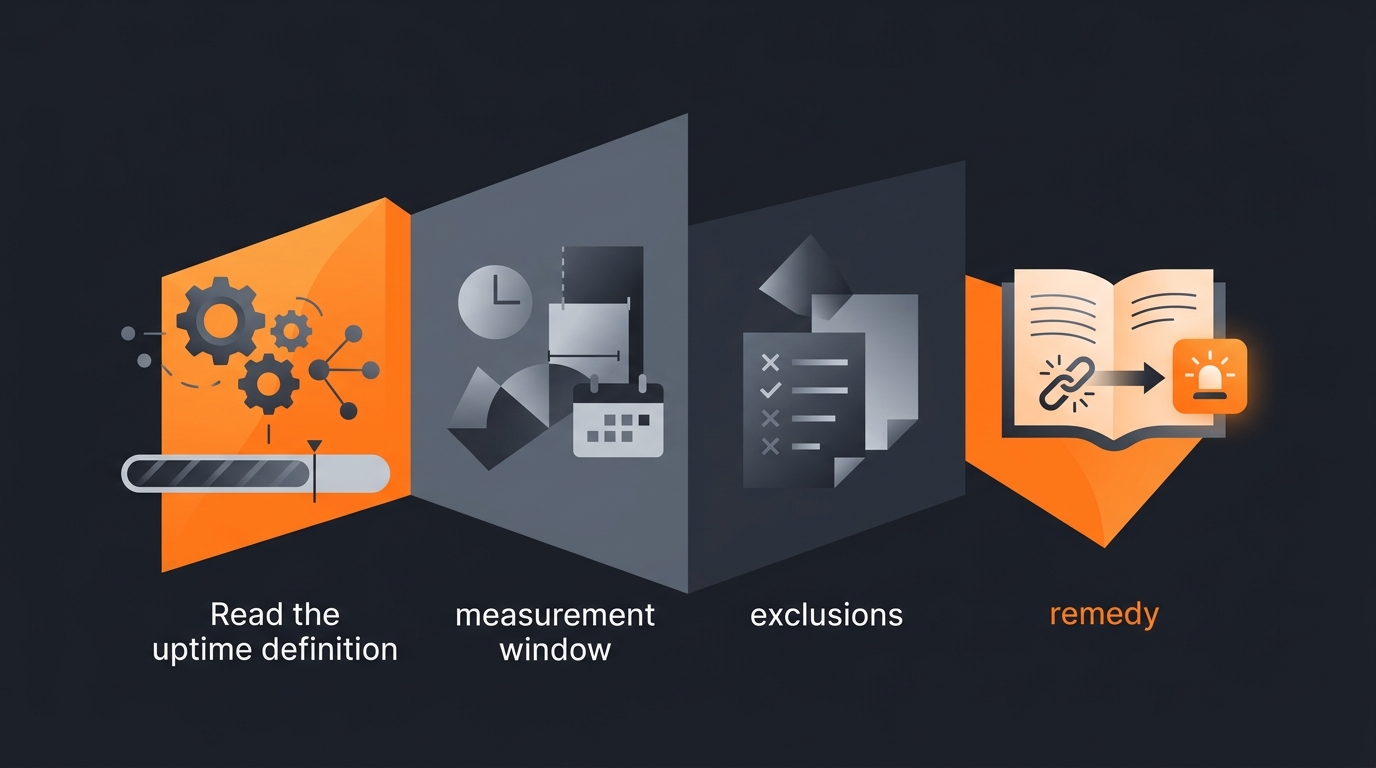
How to Compare AI Agent Platform SLAs (Buyer Guide)
An SLA, a service level agreement, is a vendor's written promise about reliability. The headline number on the page is the part everyone reads. The part that actually decides what you are buying is the fine print:…
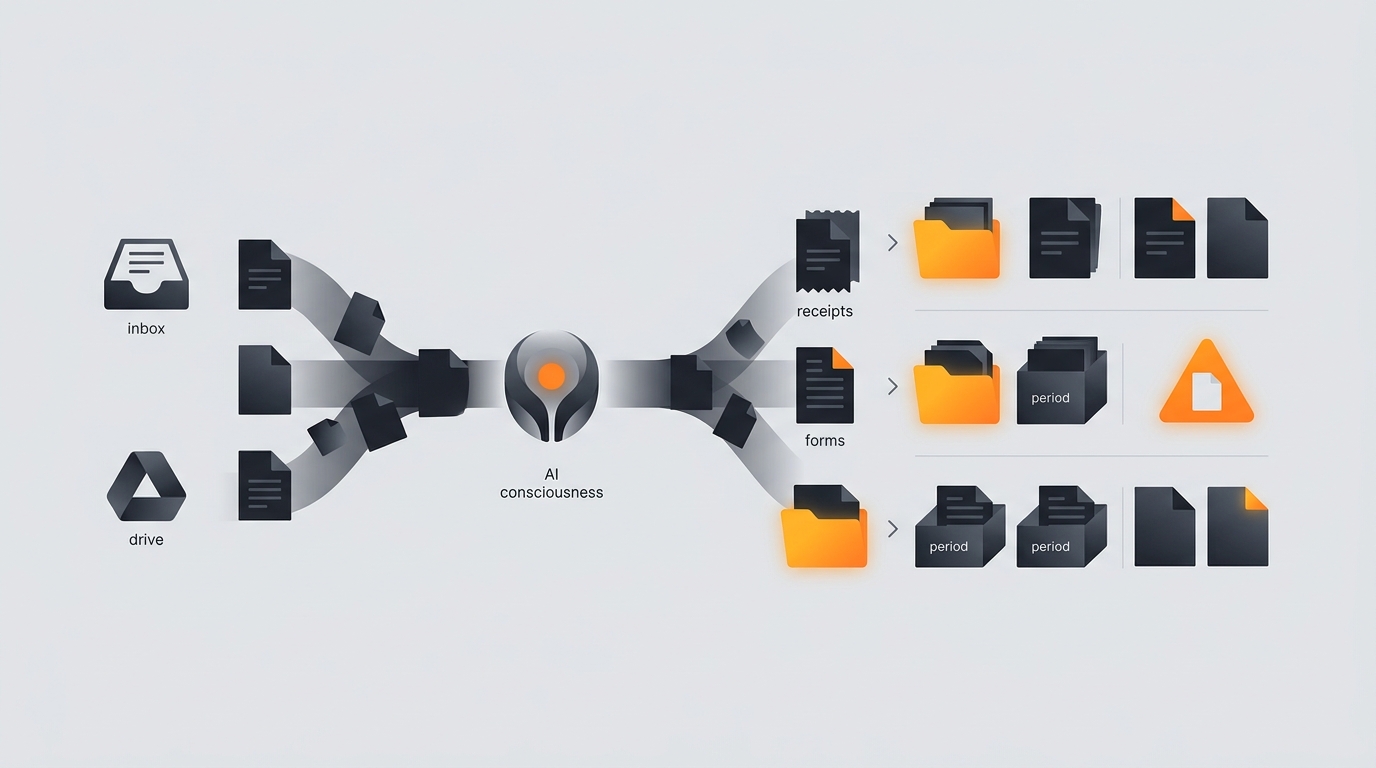
AI Agent for Tax Document Organization: How It Works
Tax season is mostly a sorting problem. Receipts sit buried in your inbox, statements live in three different drives, and the form you need turns up the week after the deadline. The hard part is rarely the math; it…
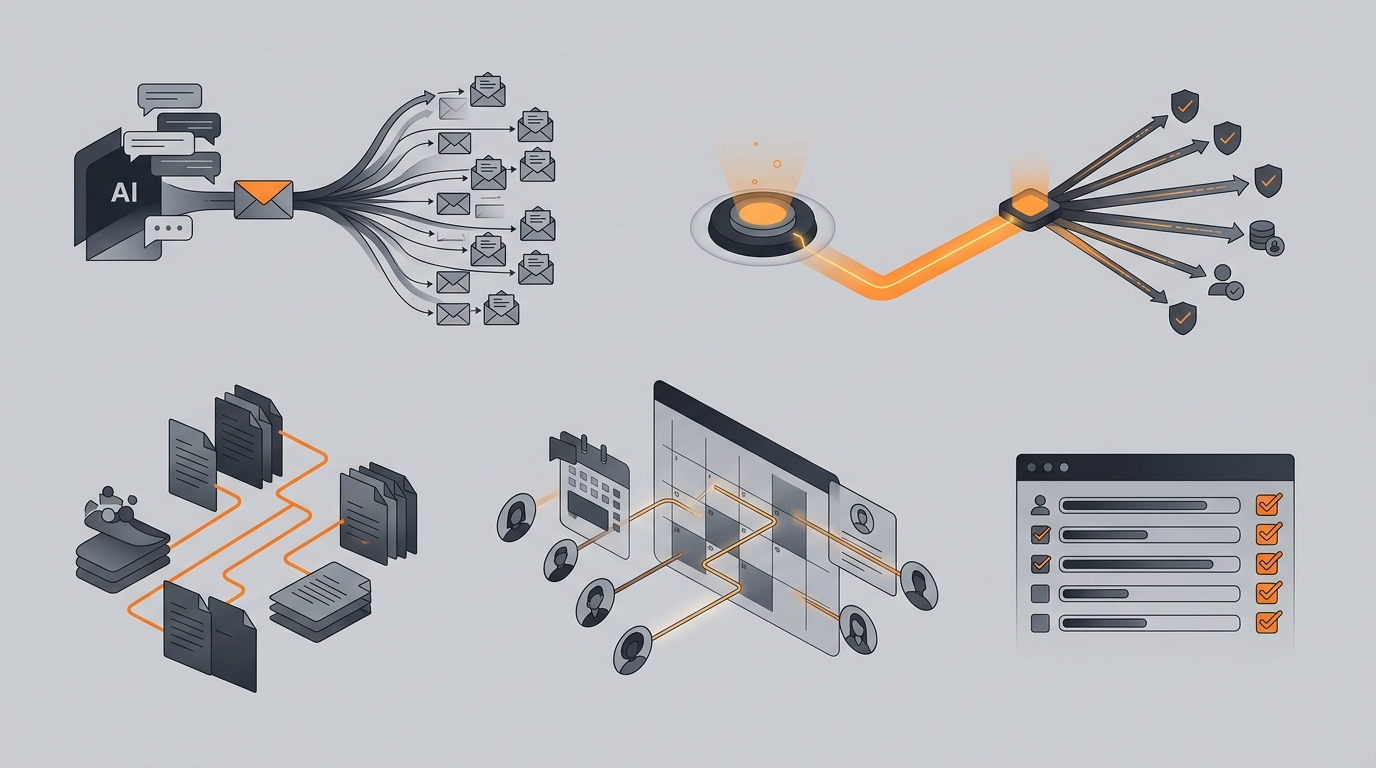
AI Agent for Summer Internship Onboarding: A Guide
Summer internship season has one brutal feature: most of the cohort starts on the same Monday. Fifty welcome emails, fifty access requests, fifty doc packs sorted by team, and fifty calendars to fill, all due before…
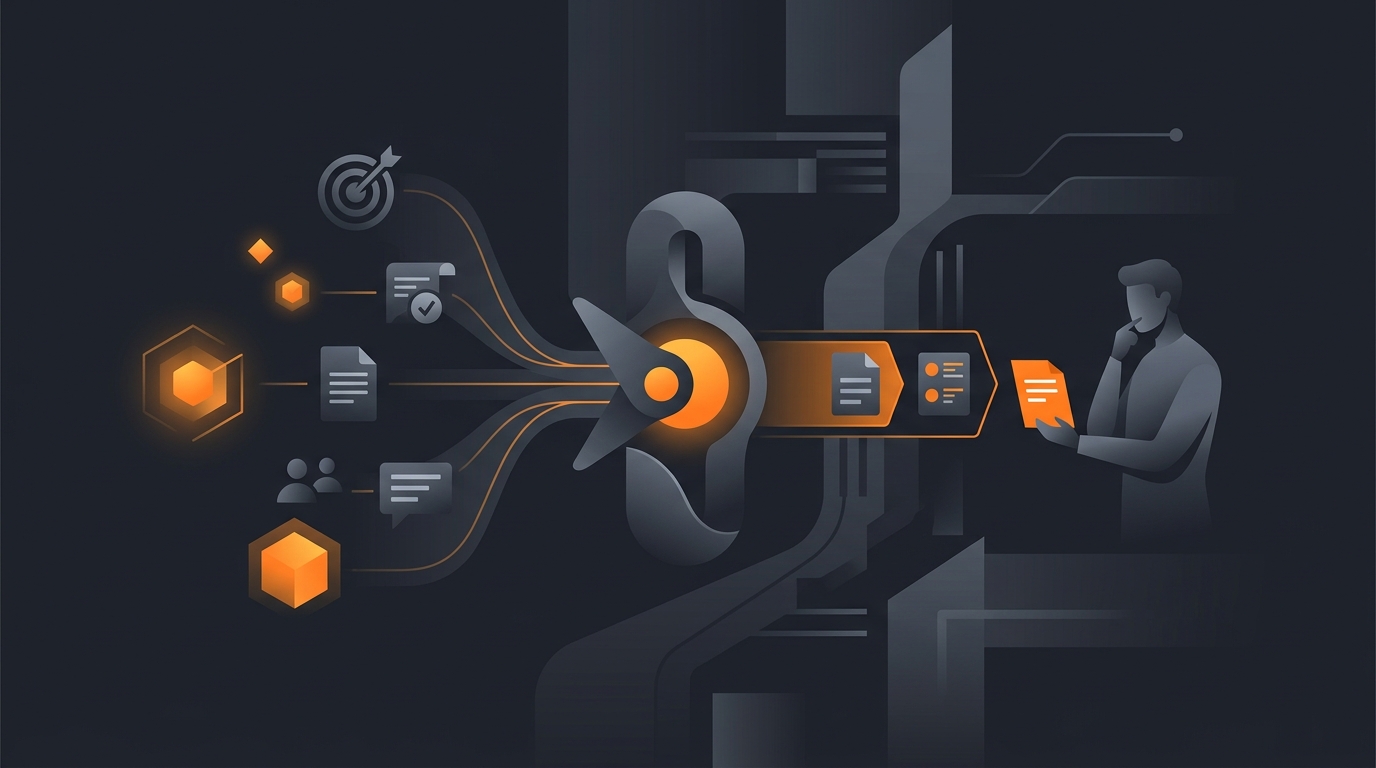
An AI Agent for Mid-Year Performance Reviews
Mid-year review season arrives and the calendar fills with the same quiet dread. For every report, a manager has to find the goals set in January, remember what got shipped since, collect feedback from a handful of…

AI Agent for Back-to-School Planning: A Parent's Guide
Back to school is not one task. It is a supply list per kid, a different schedule per kid, a stack of forms with deadlines, a budget you would rather not blow, and a dozen browser tabs comparing prices on the same…

Types of AI Agents: Russell and Norvig's 5 Kinds
There are five classic types of AI agents, and they come from Russell and Norvig's textbook, Artificial Intelligence: A Modern Approach. They are simple reflex, model-based reflex, goal-based, utility-based and…

Is ChatGPT an AI Agent? The Honest Answer
Ask "is ChatGPT an AI agent?" and you get a different answer depending on which version of ChatGPT you mean and which day you ask. The plain chat box you type into is a chatbot. Two newer features look a lot more…

The Big 4 AI Agents Explained: Who They Are
If you have searched for AI agents lately, you have probably hit the phrase "the Big 4". It comes up constantly, and almost nobody defines it before using it. Here is the plain answer: the Big 4 AI agents are the…

Best AI Agents: 10 Notable Options in 2026
The best AI agent is the one that fits the job you need done, so this round-up sorts ten notable options for 2026 by who they suit instead of scoring them one to ten. For each one you get what its agent features do…

AI Agent Platform Free Tier Comparison (2026)
A free tier looks like a gift until you read the fine print. Most AI agent free plans are not really about giving you free work; they are a shaped sample, generous enough to hook you, capped tightly enough that real…
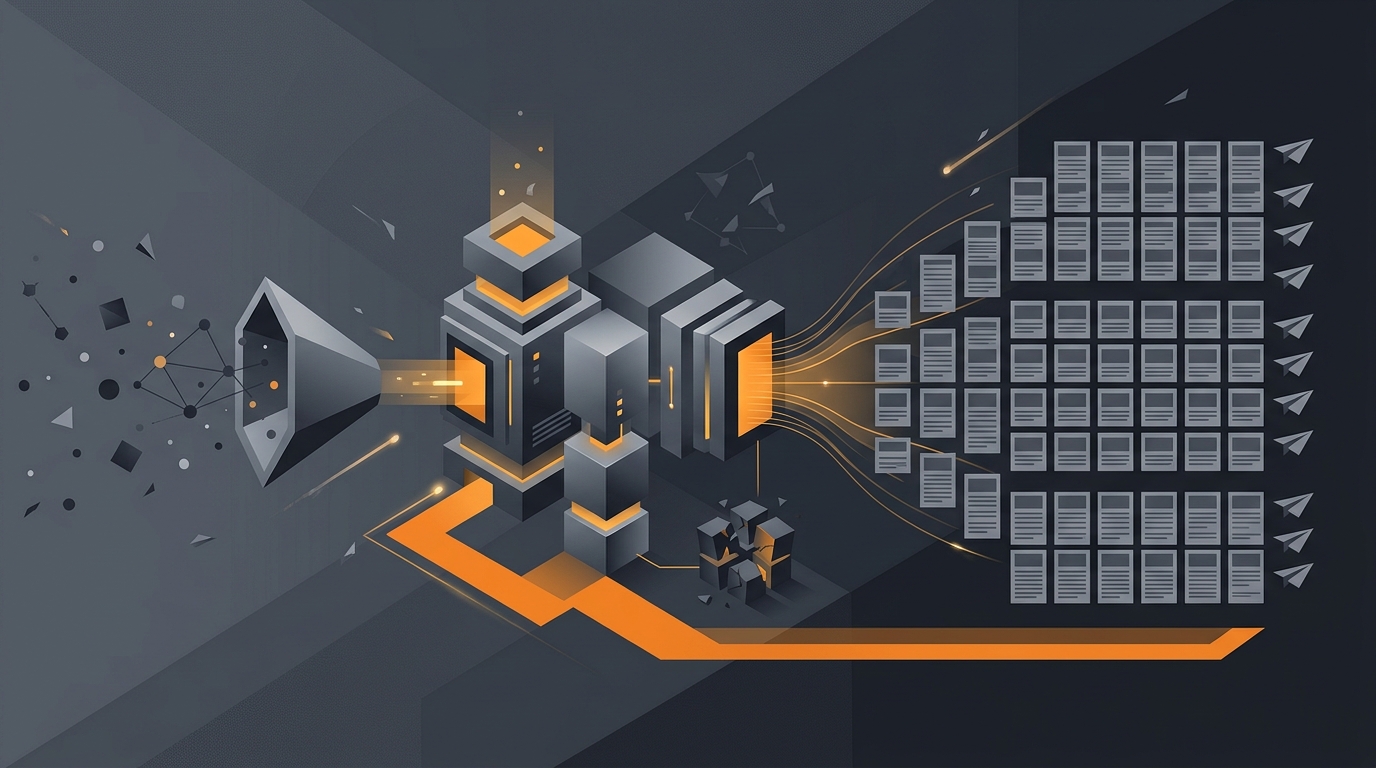
355 Posts in 39 Days: Our Autonomous Blog Pipeline
On 2026-06-12 we ran the counting scripts against this blog: 355 live posts, 704,255 words, 39 days since the first post went up on 2026-05-05. That is 9.1 posts per day at an average of 1,984 words each, written,…

Will AI Agents Replace SaaS Tools? A Founder View
Is AI killing SaaS, and will AI agents replace SaaS tools? Partly, and the part they replace is narrower than the headlines suggest. Agents are absorbing the thin glue layer of software: point tools, single-purpose…
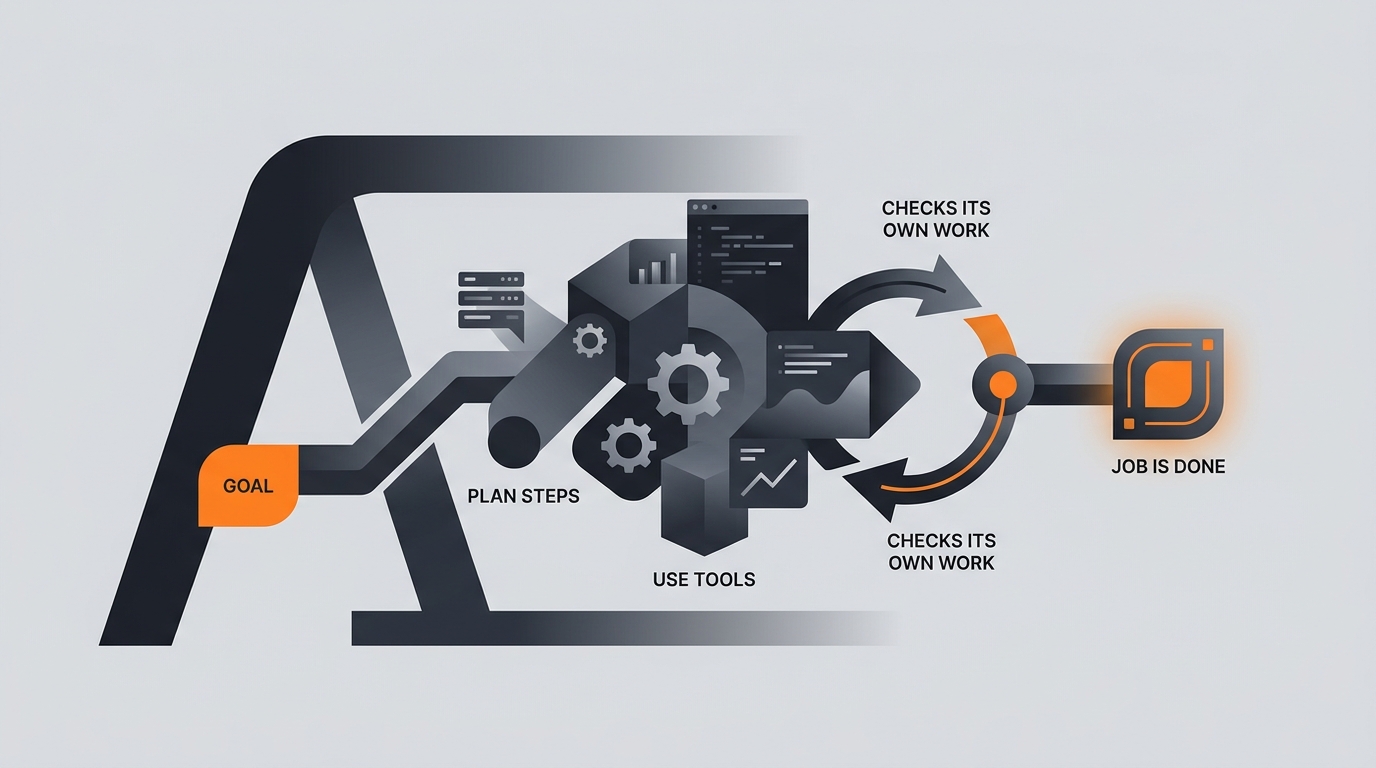
What Is an AI Agent? The Plain-English 2026 Guide
That matches how the people building these systems describe them. Anthropic defines agentic systems as ones where the model dynamically directs its own processes and tool usage (Building Effective Agents, 2024). This…
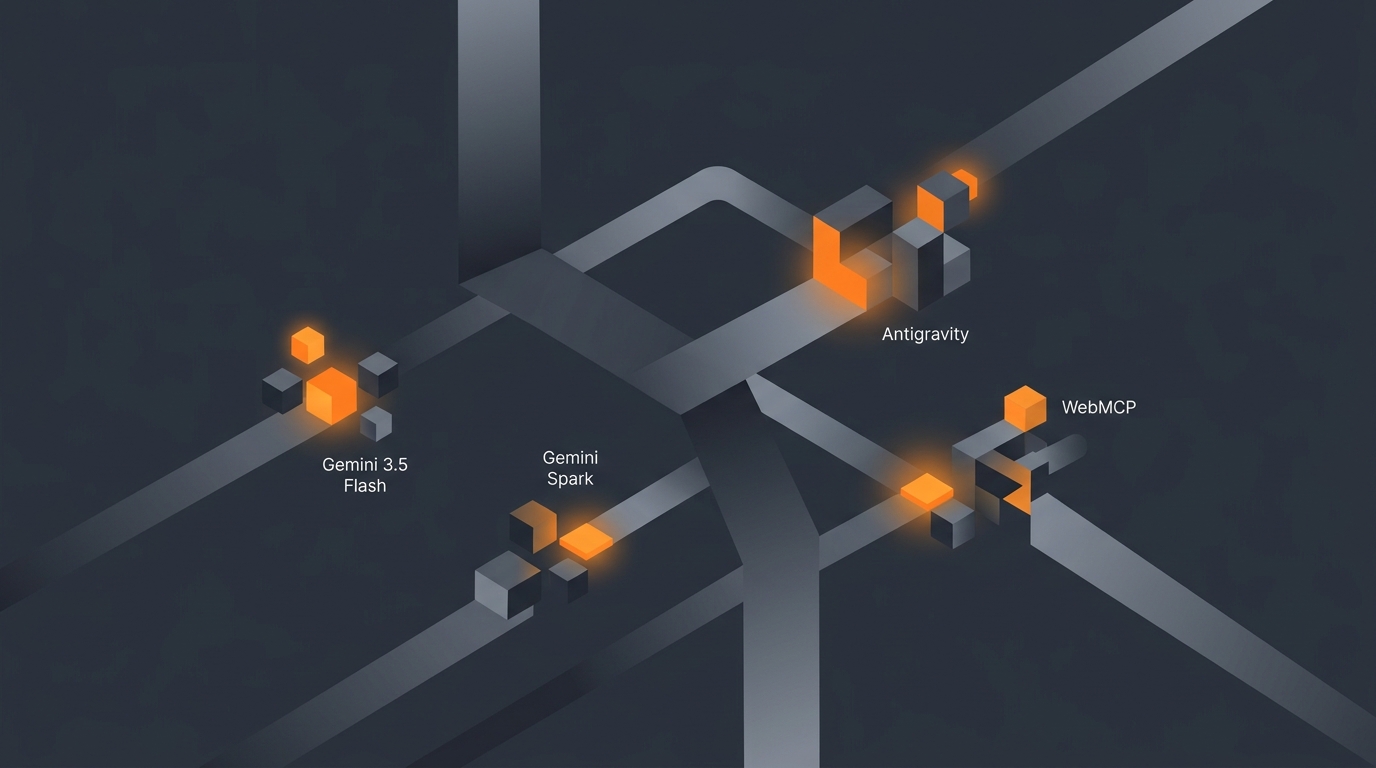
What Google I/O 2026 Means for AI Agents
Google I/O 2026, held May 19 to 20, was the clearest sign yet that the large platforms have stopped treating AI agents as a side feature and started treating them as the product. Sundar Pichai opened the keynote by…

Top AI Agent Use Cases in H1 2026, Ranked
The most adopted, highest-ROI AI agent use cases in the first half of 2026 are customer support, software engineering, and sales and marketing operations, in that order, followed by knowledge search, inbox and…

Multimodal AI Agents: Vision, Voice, Action
A multimodal AI agent is an agent that perceives and acts in more than text. It can look at a screenshot or a PDF (vision), hold a spoken conversation in real time (voice), and operate software by clicking, typing,…