Notes on getting work done by agents
Comparisons, prices as of this month, and what actually works when you hand a task to an AI agent. Written by the people who build and test them.
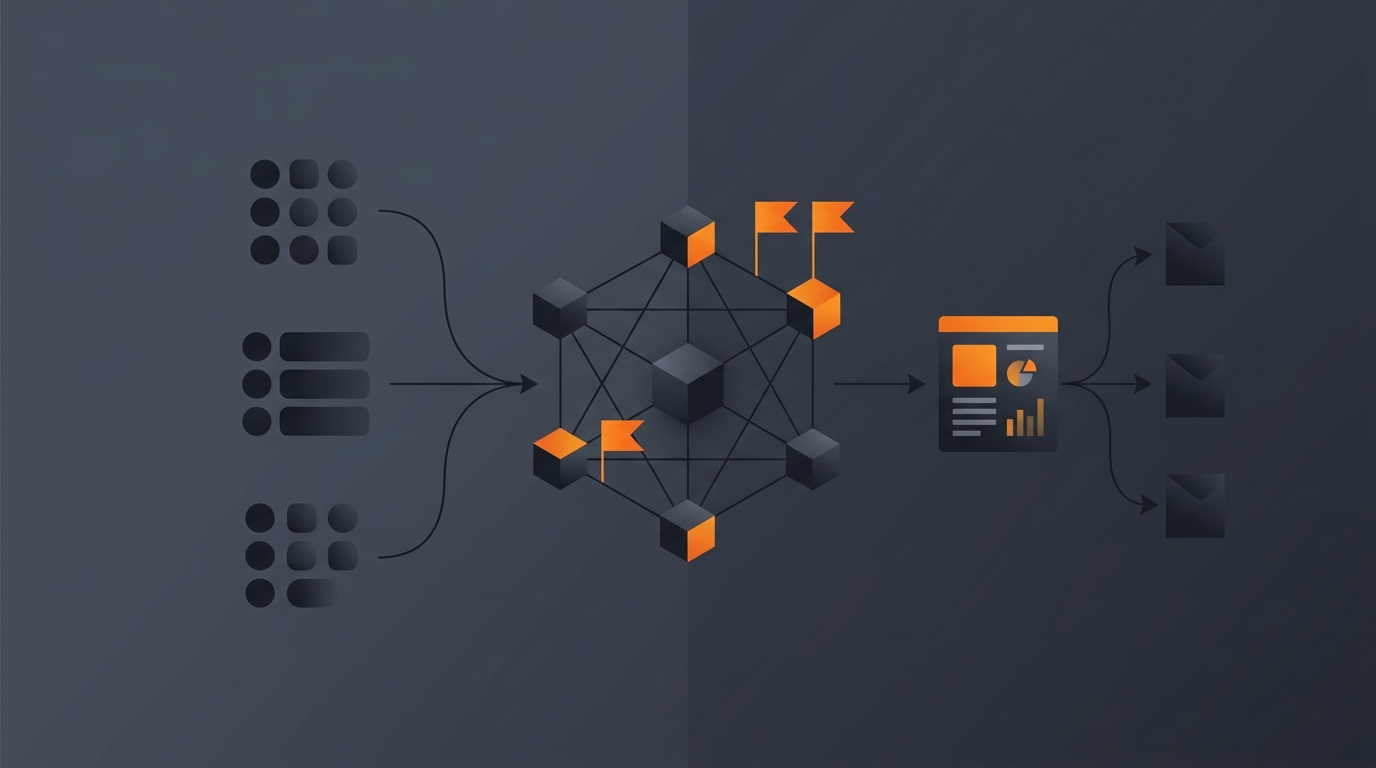
AI Agent for monday.com Status Updates: 7 Ways Compared
Yes. An AI agent can automate monday.com status updates: it reads items, status history and update threads, then posts a rollup on a schedule to a pinned item, a Slack channel or a drafted email. Statuses, due dates…
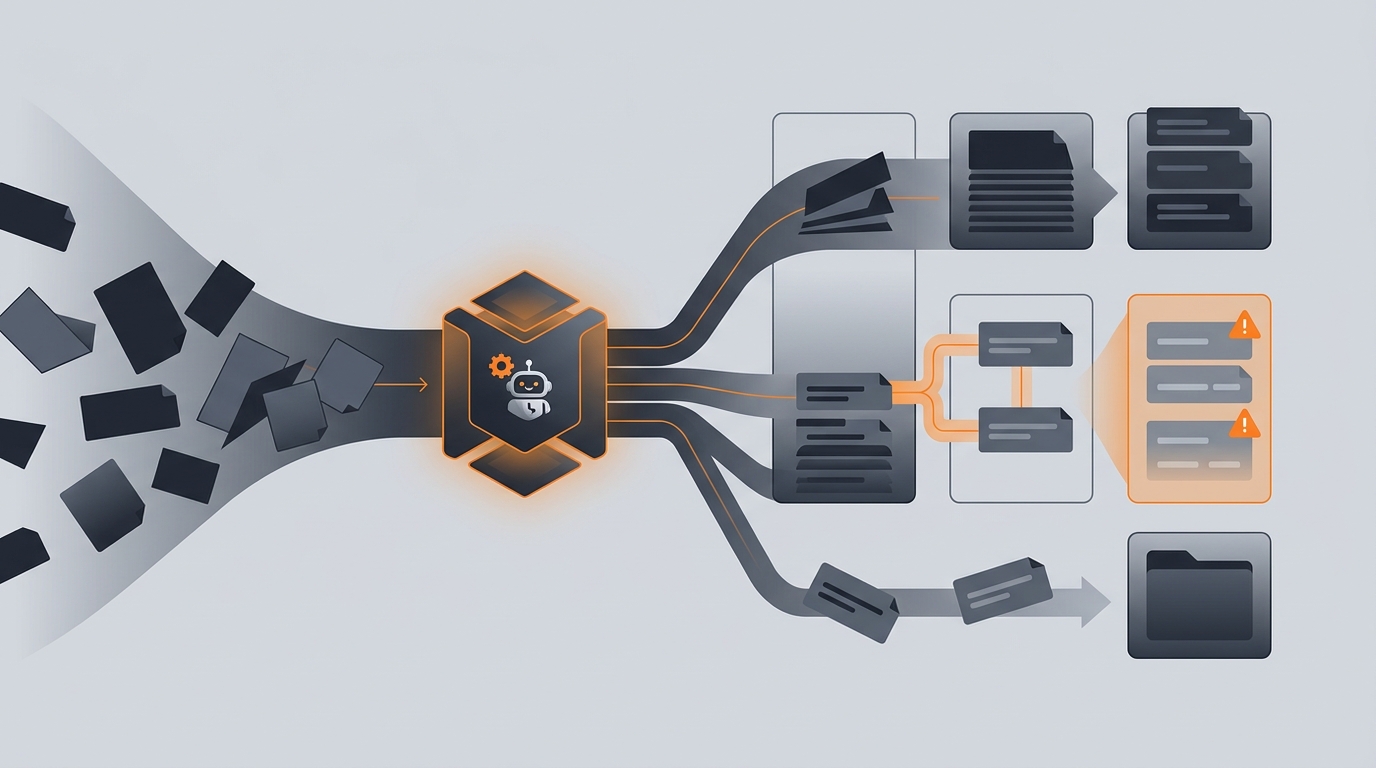
AI Agent for Jira Backlog Grooming and Hygiene
Yes, an AI agent can automate the most tedious parts of Jira backlog grooming: scanning for stale tickets, identifying duplicates, flagging issues that are missing estimates or acceptance criteria, and surfacing…

AI Agent for Gmail Label Automation
Yes, an AI agent can automate Gmail label application: reading each incoming email, classifying it by sender, topic, and intent, and applying the right label or set of labels without you touching the message. The key…
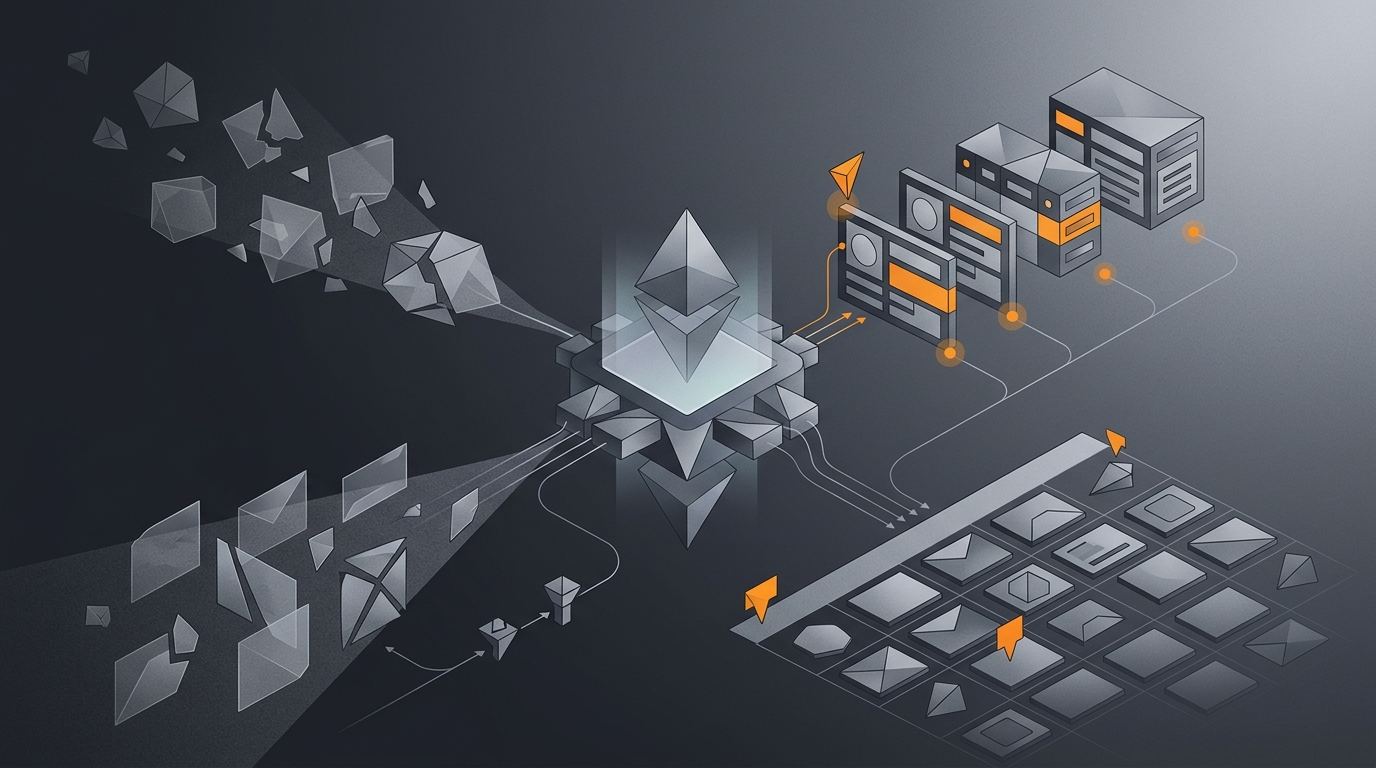
AI Agent for Airtable Record Enrichment
An AI agent can enrich Airtable records automatically: it reads new or incomplete records, looks up missing field values from external sources, writes the enriched data back into the correct fields, flags potential…

AI Agent Emergent Behavior, Explained
Emergent behavior in AI agents refers to actions, strategies, or outcomes that were not explicitly programmed but arise from the interaction of an agent with its tools, its environment, or other agents at scale. It…

AI Agent Capability Maturity Levels Explained
An AI agent capability maturity model is a conceptual framework that describes, level by level, how much an agent can do without human involvement, how errors are caught, and what conditions must hold for the system…
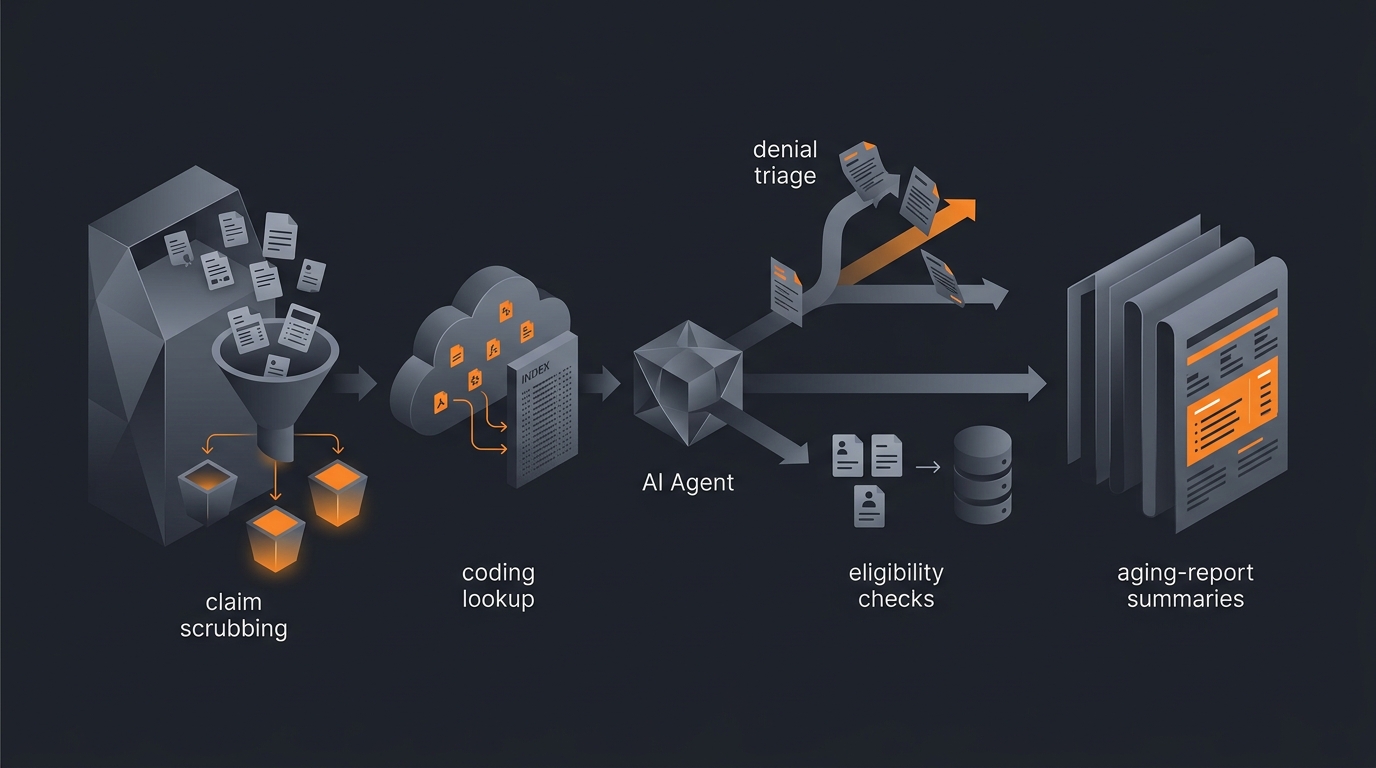
AI Agents for Medical Billing: Claims and Coding Support
Medical billing teams spend a significant portion of every day on work that is structured, repetitive, and rule-driven: scrubbing claims before submission, sorting denial codes, looking up modifier rules, and chasing…
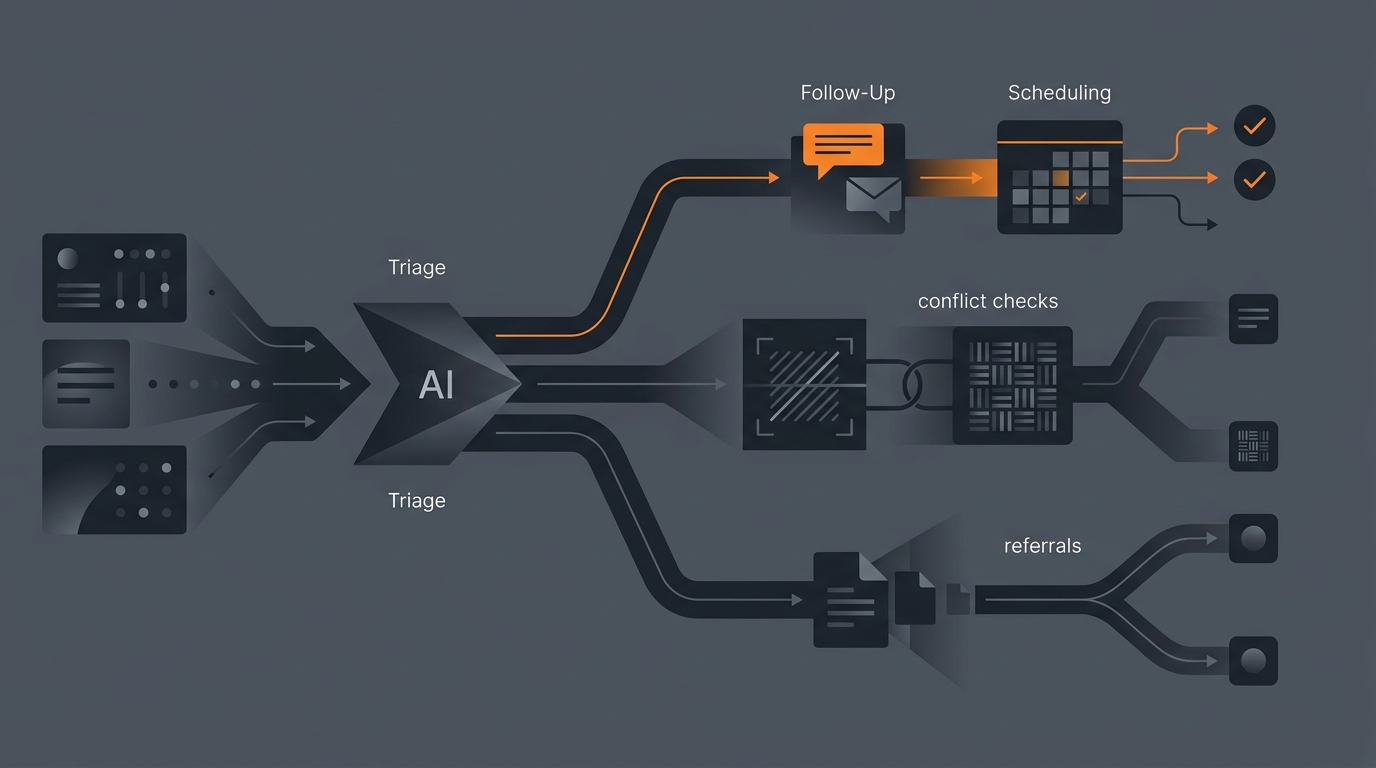
AI Agents for Law Firm Intake: Triage and Follow-Up
Law firm intake is where potential clients either become clients or leave for the next firm on their list. The quality of the intake experience, specifically how quickly the firm responds, how clearly it…

AI Agents for Insurance Agents: Quote, Renew, Follow Up
Insurance agents spend a significant portion of their working week on tasks that are structured and repeatable: sending renewal notices, following up with new leads, collecting application documents, and updating…

Tool Calling vs Function Calling: What's the Difference
Function calling and tool calling describe the same core behavior: a language model emits a structured request for an external capability, and the runtime executes it. The terms are often used interchangeably, but…

AI Agent Reflection and Self-Correction Explained
Agent reflection is the process by which an AI agent evaluates its own output, identifies problems, and revises the result before returning it. It is how agents catch their own mistakes without requiring a human in…

AI Agents for SEO Agencies: Automate Audits and Reports
SEO agencies spend a large portion of each month on work that is structured and repeatable: running audits, pulling rank data, building client reports, researching keywords, and monitoring competitors. AI agents…
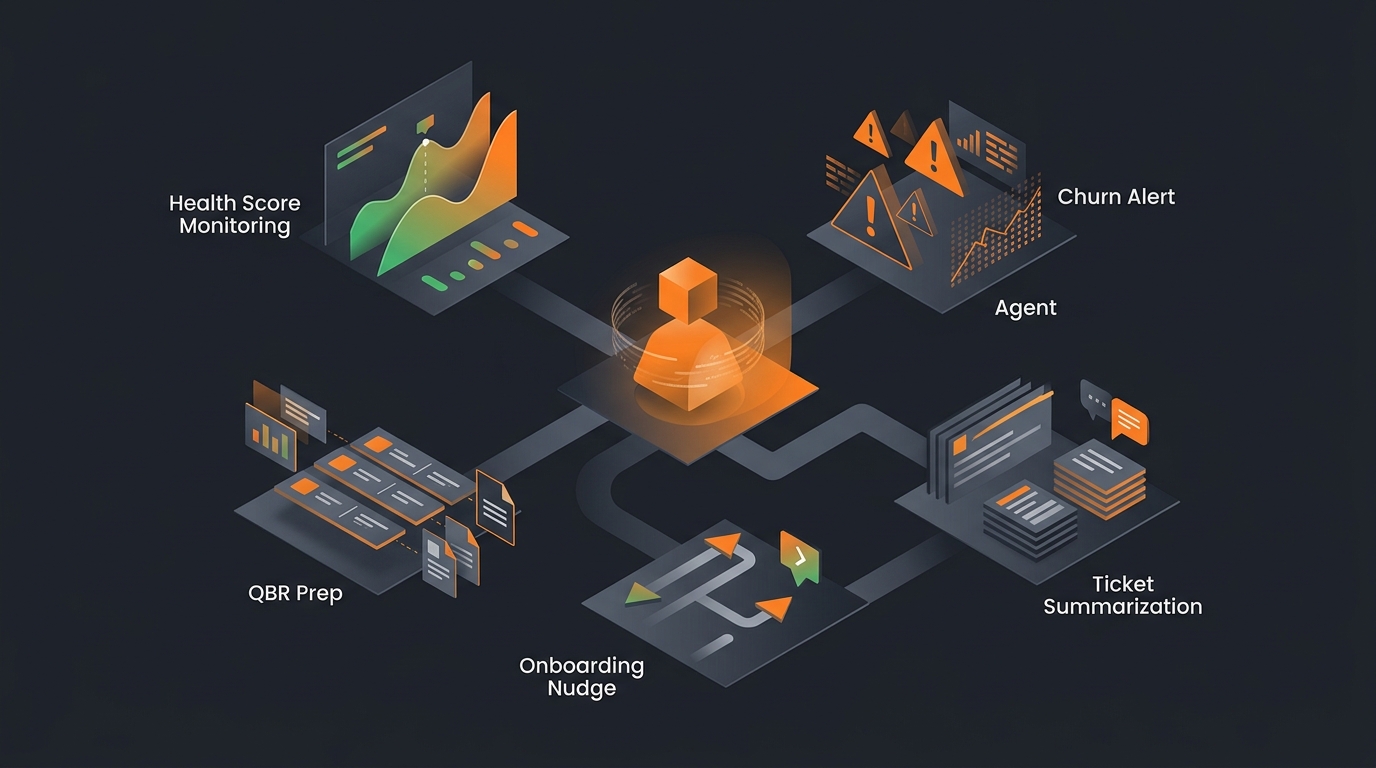
AI Agents for SaaS Customer Success Teams
SaaS customer success teams are expected to do more with fewer touches: protect net revenue retention, accelerate time-to-value for new accounts, and surface expansion opportunities, all while the book of business…

AI Agents for Etsy Sellers: Automate Your Handmade Shop
Running an Etsy shop means doing the creative work and the shop operations yourself, usually at the same time. Every order needs a confirmation message, every shipped package needs a tracking update, every listing…
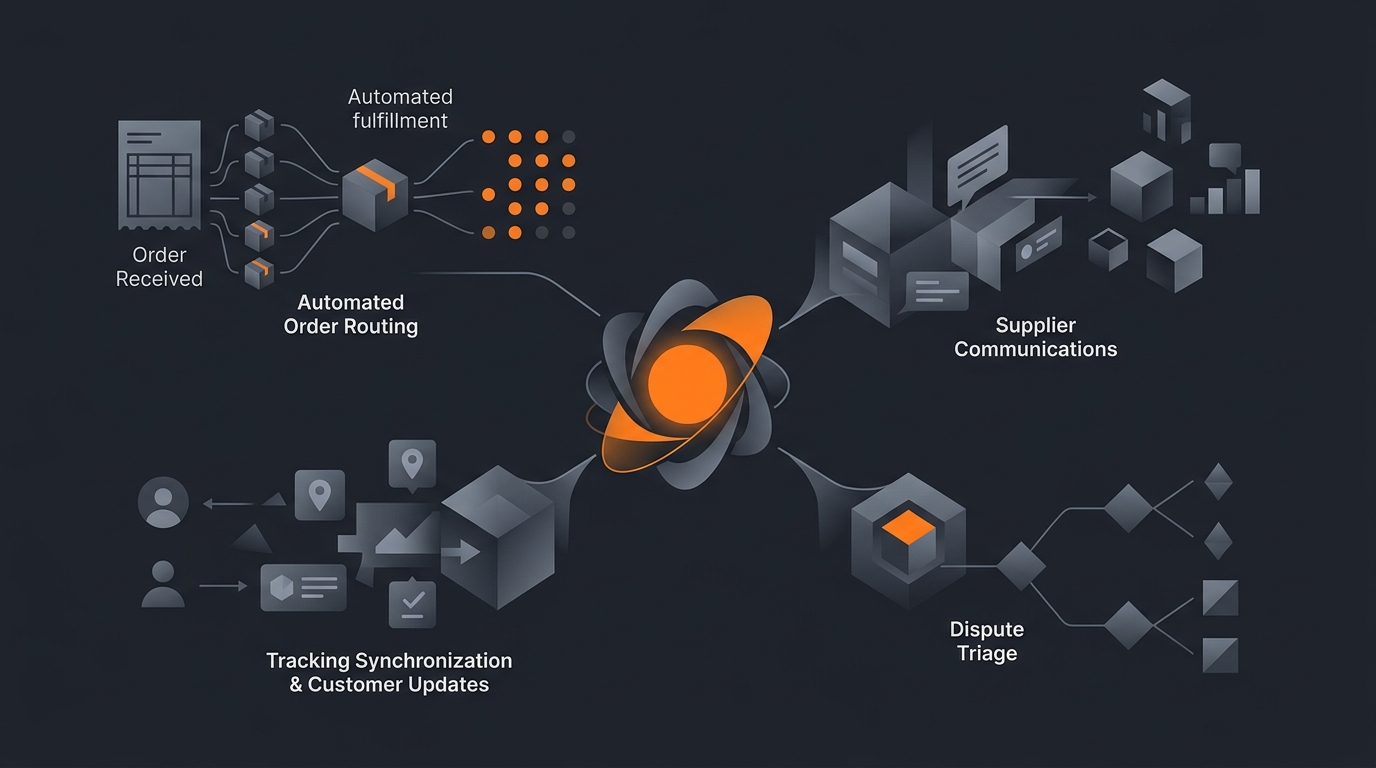
AI Agents for Dropshippers: Automate Orders and Suppliers
AI agents for dropshippers handle the operational work that scales badly with humans: routing orders to suppliers, syncing tracking numbers, sending customer updates, and monitoring supplier stock and prices. You…
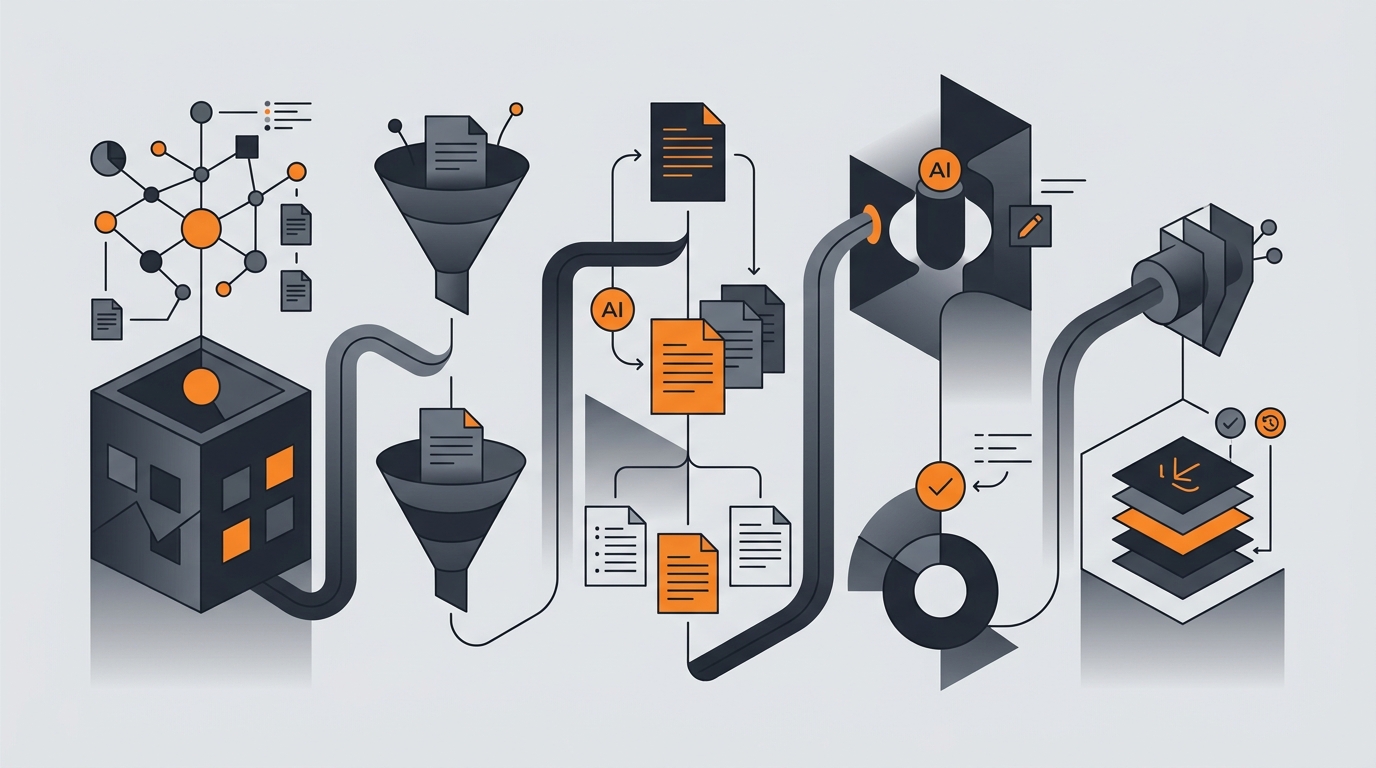
AI Agents for Copywriters: Research, Briefs, Drafts
AI agents do not write your copy for you. They handle everything that has to happen before you write and after you submit, so you can spend more of your day doing the work that only you can do. Research, intake,…
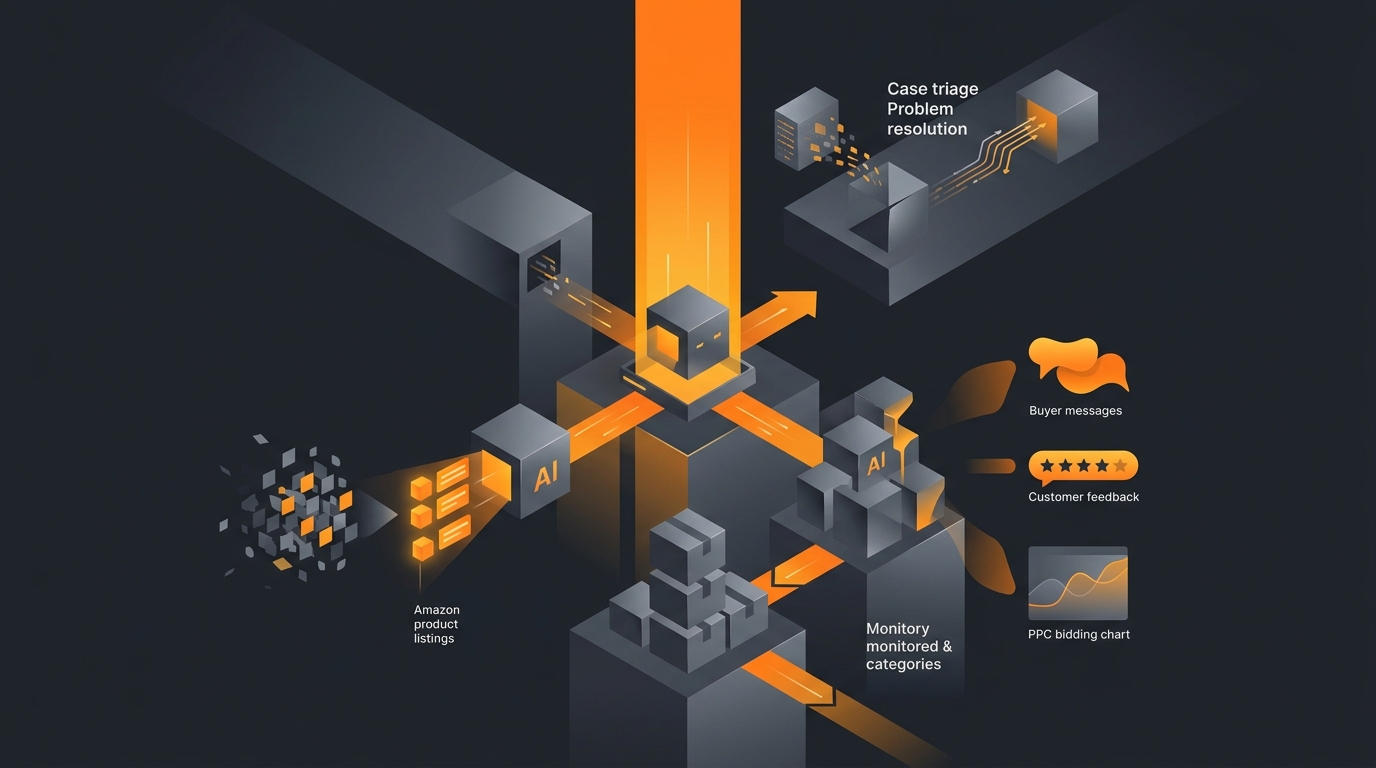
AI Agents for Amazon Sellers: Listings, Inventory, Ops
Running an Amazon business means managing a constant stream of operational tasks: listings that drift out of rank, inventory levels that creep toward zero, buyer messages that need a reply within 24 hours, and Seller…

AI Agent Protocol Wars: MCP vs A2A vs ACP in 2026
Three open protocols are competing to become the connective tissue of agentic AI systems: MCP, A2A, and ACP. Each solves a different interoperability problem, and understanding the distinction determines whether you…

OpenAI vs Anthropic: Agent Strategy 2026
OpenAI and Anthropic are the two labs most cited when people argue about where AI agents are heading. They share a lot. Both build frontier models, both let those models call tools, and both have moved toward agents…
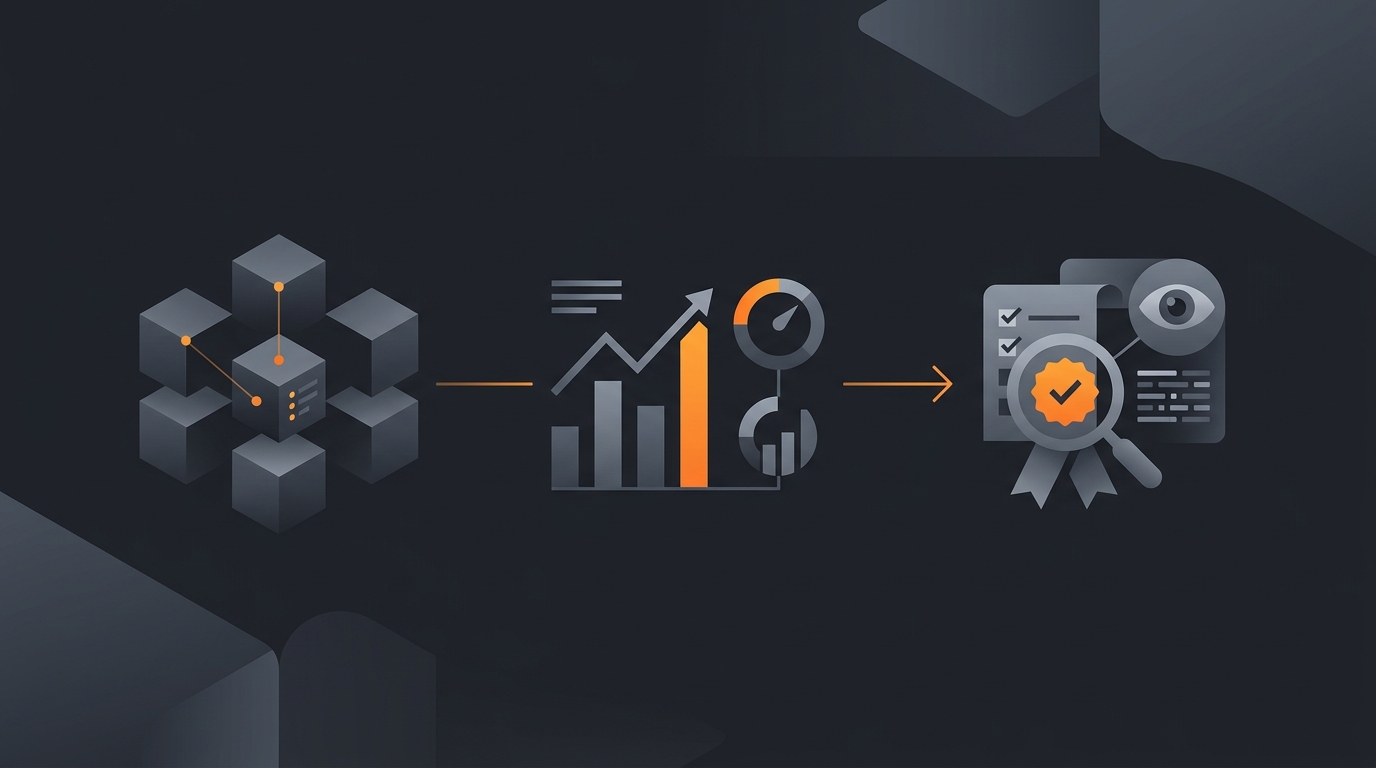
How to Measure AI Agent Accuracy
Most people who ask how accurate their AI agent is are really asking the wrong question. They reach for a model benchmark number, a leaderboard score, a percentage from a vendor deck. None of that tells you whether…
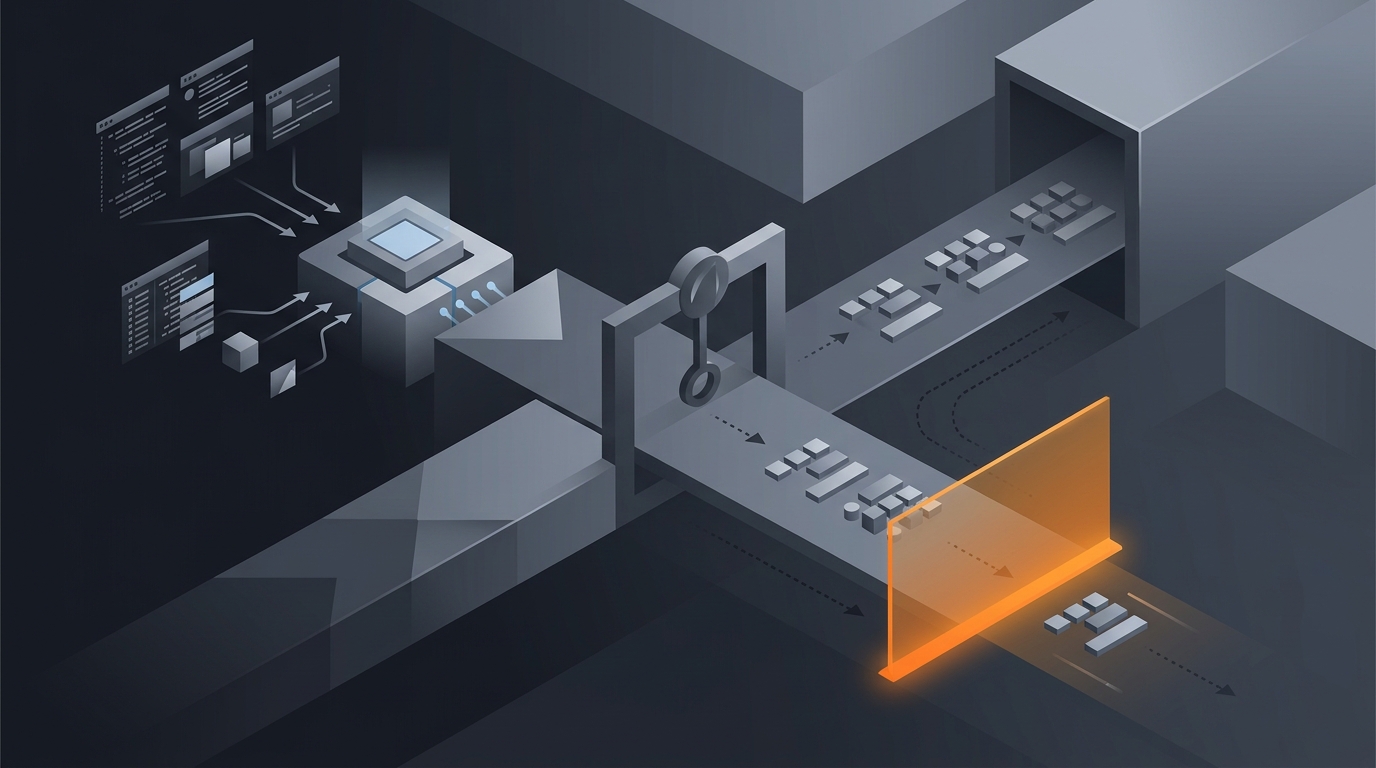
AI Agent Regression Testing: A Practical Guide
Your agent worked yesterday. Then someone tightened a prompt, the model provider shipped an update, or a tool changed its output format, and now it quietly fails one in five of the cases it used to handle. Nobody saw…
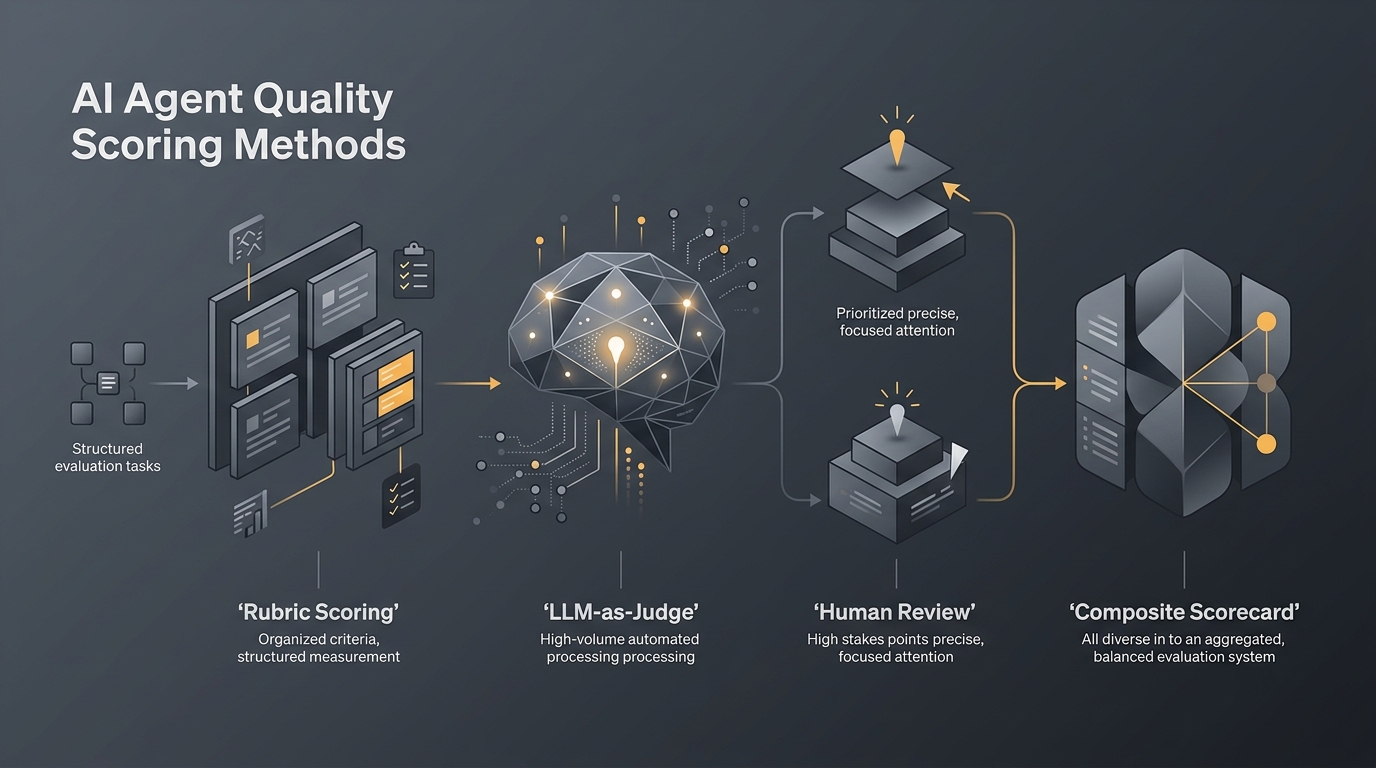
AI Agent Quality Scoring: 5 Methods, One Scorecard
Agent quality scoring turns "was that output good?" into a number you can track and gate a release on. It uses five methods: code checks, a rubric, an LLM judge, human review and a weighted composite scorecard with…

AI Agent Pricing Trends 2026: 38 Price Changes
AI agent pricing in 2026 has settled on usage meters, not seats. Of the 41 agent products in my pricing census, 23 (56%) bill per credit, per run or per minute, the median entry plan is $20 a month, and pricing per…

AI Agent for Client Check-in Automation
Recurring client check-ins are the work that keeps relationships warm and accounts from quietly slipping away. The problem is rarely the message itself. It is the prep behind it: pulling up what the client has been…

AI Agent Evaluation Framework (Step by Step)
Most teams decide an agent is "ready" by trying it a few times and getting a good feeling. That is how a demo passes and production fails. An evaluation framework replaces the gut call with a repeatable process: you…

AI Agent Adoption Statistics (Updated Q3 2026)
If you want citable numbers on AI agent adoption, the honest starting point is this: the curve is steep, but the figures depend heavily on how each survey defines an "agent." The baseline is now near-universal.…
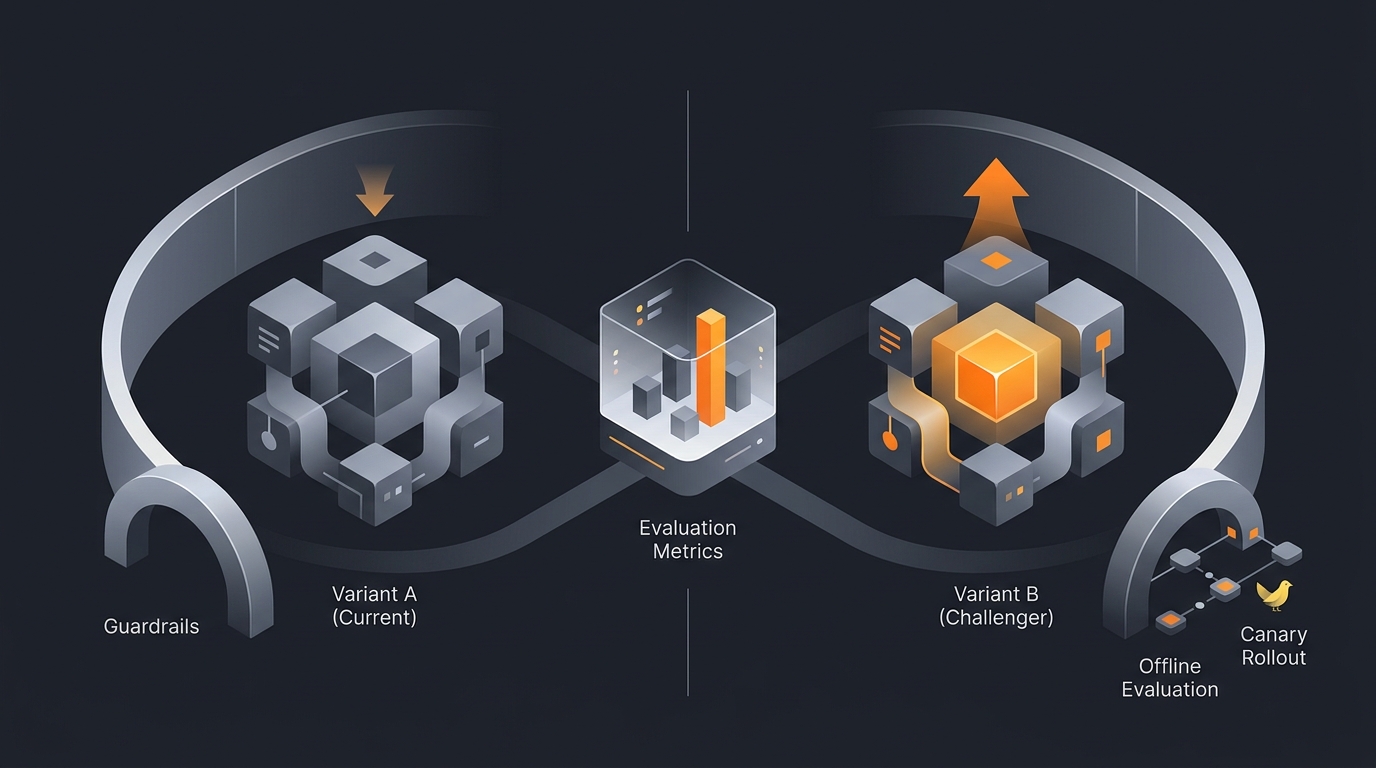
AI Agent A/B Testing Strategies That Don't Break Production
You changed the prompt, swapped the model, or added a tool, and now you want to know if the new agent is actually better. The honest answer is that you cannot know from a few hand-checked examples. Agent behavior…

AI Agent for Recurring Meeting Summaries
The weekly team meeting, the biweekly project sync, the monthly leadership review: these standing meetings are where a lot of work is steered, and where the record is usually worst. Someone takes notes one week,…
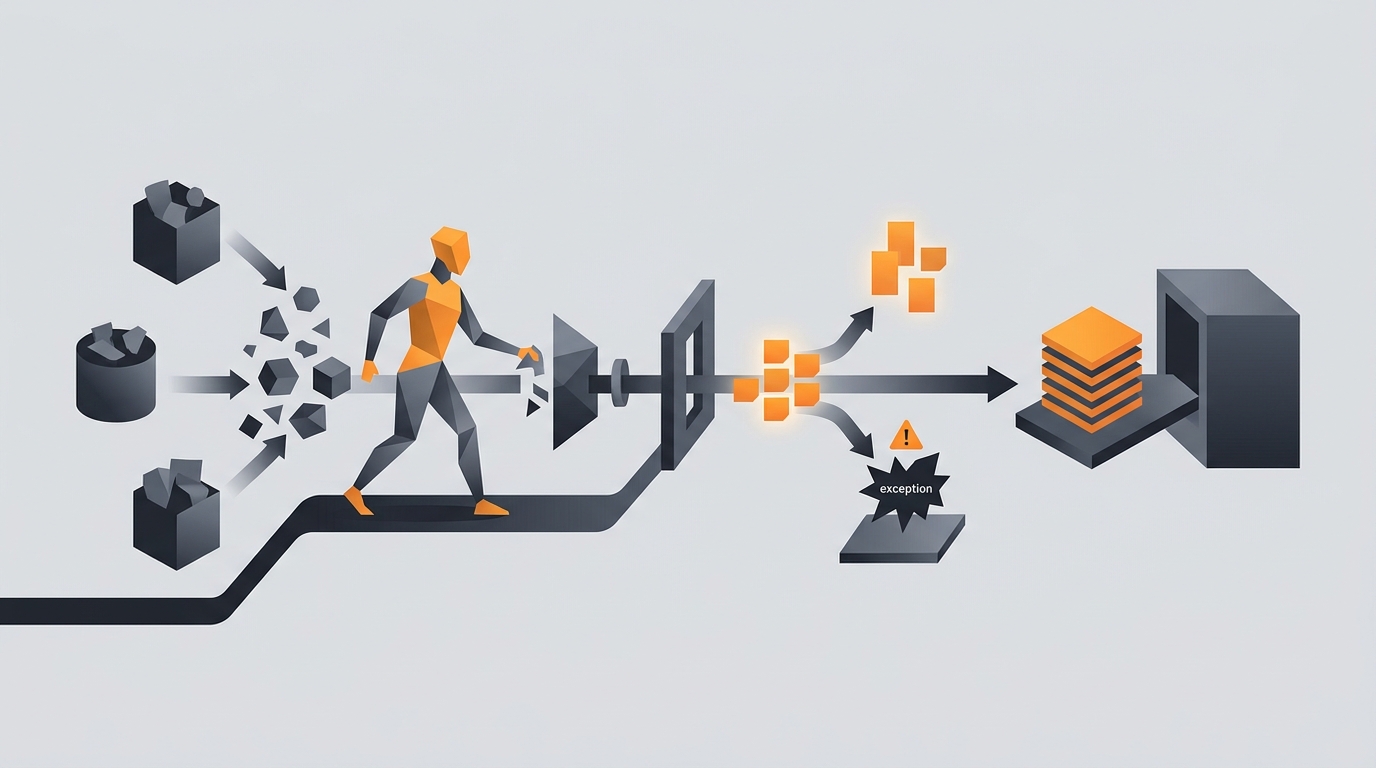
AI Agent for Payroll Prep
Payroll is the one process where a small input error becomes a personal problem for someone on your team. A missed timesheet, a new hire who was not added, a raise that did not carry over, and a paycheck is wrong,…
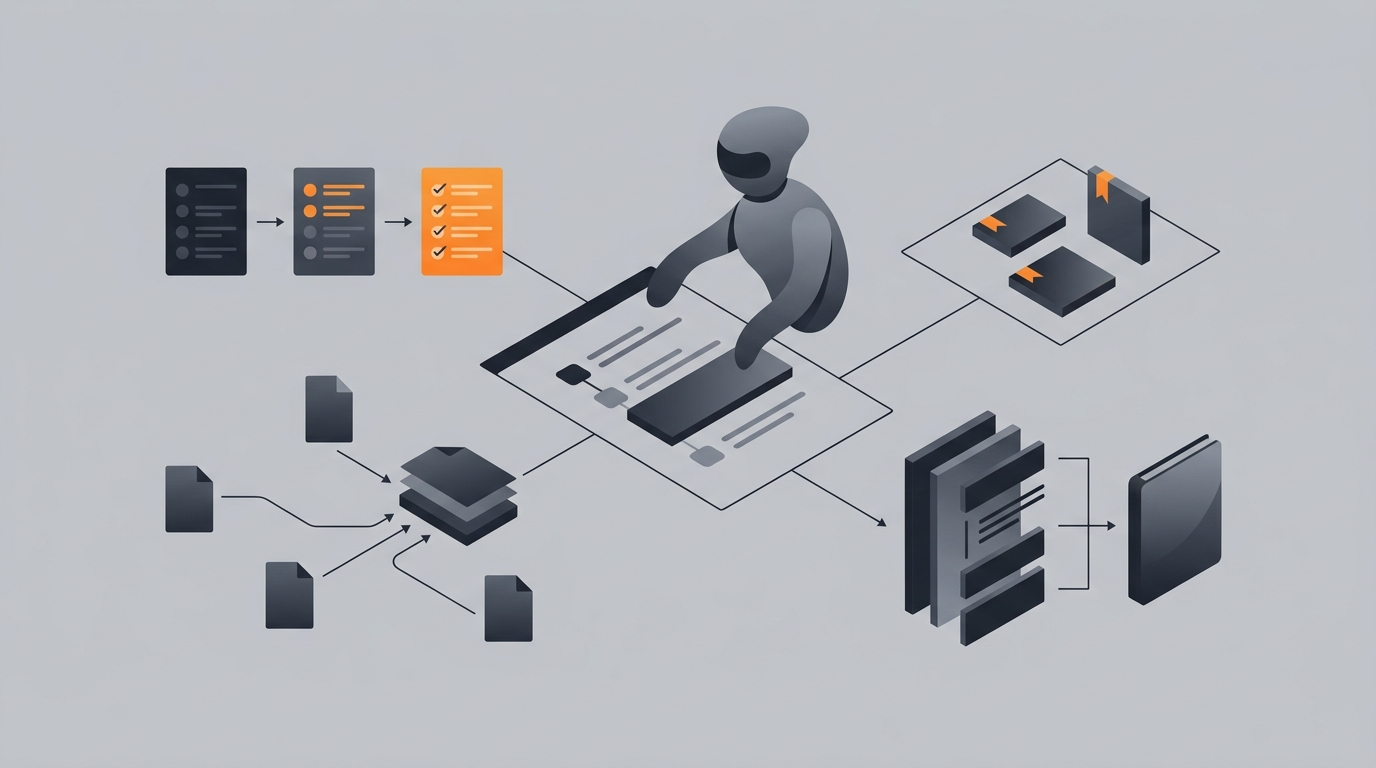
AI Agent for Month-End Close Checklist
The month-end close is rarely hard accounting. It is mostly coordination: forty small tasks across a few people, each waiting on a document, a reconciliation, or someone else finishing their part. The work that slows…