Notes on getting work done by agents
Comparisons, prices as of this month, and what actually works when you hand a task to an AI agent. Written by the people who build and test them.

Gravity vs TinyFish: Enterprise Web Agent vs Runtime (2026)
This comparison covers two products that buyers often line up against each other when they shouldn't. TinyFish is an enterprise web agent platform. Gravity is an outcome runtime. The labels look similar at a glance,…
Gravity vs OpenClaw: Browser Agent vs Outcome Runtime (2026)
This comparison covers two products that buyers often line up against each other when they shouldn't. OpenClaw is a browser-driven autonomous agent. Gravity is an outcome runtime. The labels look similar at a glance,…

Gravity vs MindStudio: AI App Builder vs Runtime (2026)
This comparison covers two products that buyers often line up against each other when they shouldn't. MindStudio is a no-code AI app builder. Gravity is an outcome runtime. The labels look similar at a glance, the…
Gravity vs Hermes Agent: Web Agent vs Outcome Runtime (2026)
This comparison covers two products that buyers often line up against each other when they shouldn't. Hermes Agent is a web browser autonomous agent. Gravity is an outcome runtime. The labels look similar at a…

Gravity vs Gumloop: Visual AI Workflow vs Runtime (2026)
This comparison covers two products that buyers often line up against each other when they shouldn't. Gumloop is a visual AI workflow builder. Gravity is an outcome runtime. The labels look similar at a glance, the…

Gravity vs Glean: Enterprise AI Search vs Runtime (2026)
This comparison covers two products that buyers often line up against each other when they shouldn't. Glean is an enterprise AI search and agents. Gravity is an outcome runtime. The labels look similar at a glance,…
Gravity vs Gemini: Google Assistant vs Outcome Runtime (2026)
This comparison covers two products that buyers often line up against each other when they shouldn't. Gemini is a Google AI assistant. Gravity is an outcome runtime. The labels look similar at a glance, the buyer…

Gravity vs ChatGPT: Chat Assistant vs Outcome Runtime (2026)
This comparison covers two products that buyers often line up against each other when they shouldn't. ChatGPT is a conversational AI assistant. Gravity is an outcome runtime. The labels look similar at a glance, the…

Gravity vs Agent.ai: Marketplace vs Outcome Runtime (2026)
This comparison covers two products that buyers often line up against each other when they shouldn't. Agent.ai is an AI agent marketplace. Gravity is an outcome runtime. The labels look similar at a glance, the buyer…
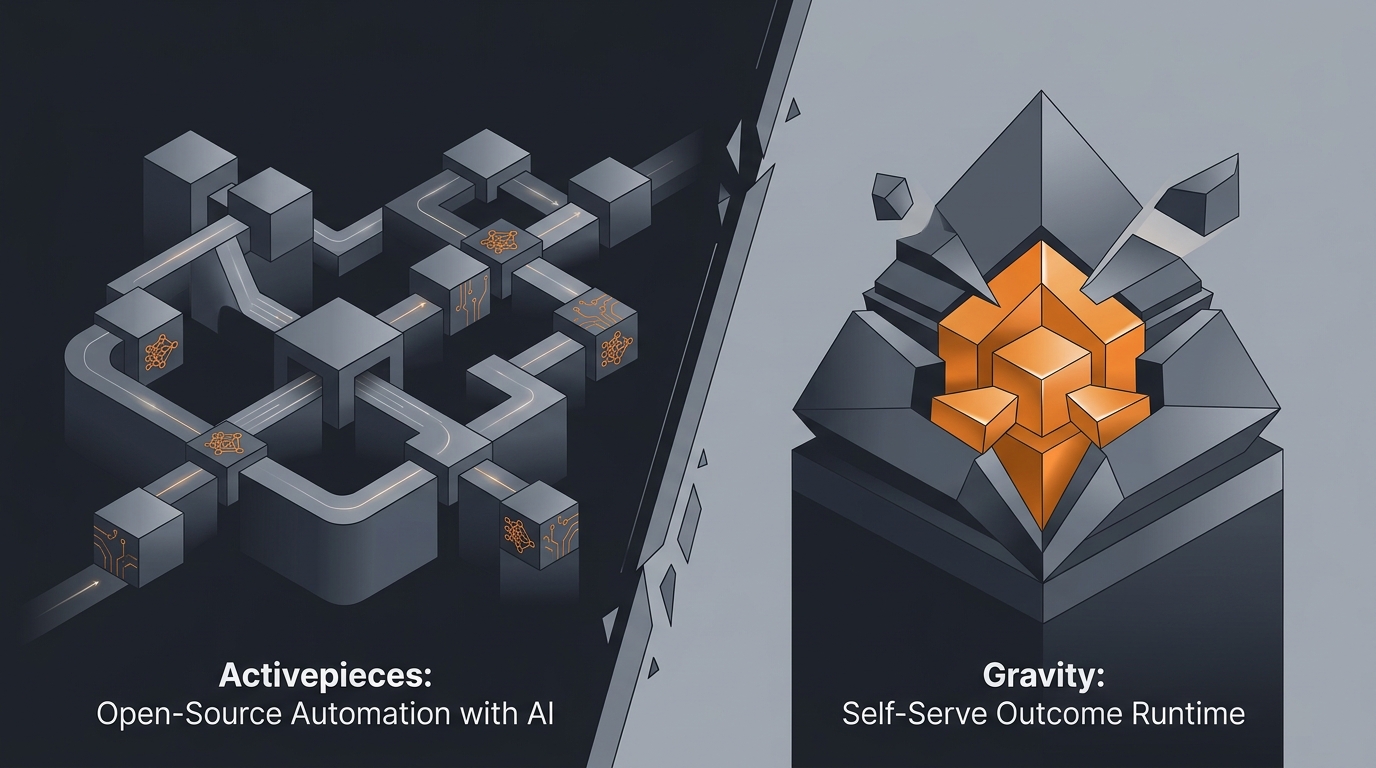
Gravity vs Activepieces: OSS Automation vs Runtime (2026)
This comparison covers two products that buyers often line up against each other when they shouldn't. Activepieces is an open-source workflow automation with AI. Gravity is an outcome runtime. The labels look similar…

Gravity vs Vellum: Prompt Engineering Suite vs Outcome Runtime (2026)
Vellum and Gravity attract different buyers. Vellum's natural buyer is an ML platform engineer at a company shipping AI features. Gravity's natural buyer is a founder or ops lead shipping internal agents.
Gravity vs Stack AI: Visual Agent Builder vs Outcome Runtime (2026)
Stack AI feels like an app builder. Gravity feels like a hiring interface for a process. Both are tools for non-developers to put AI to work, but the design centres are different.

Gravity vs Relevance AI: No-Code Canvas vs Outcome Prompt (2026)
Relevance AI built a category around the AI workforce metaphor, branded sales agents that act like teammates. Gravity is the opposite, anonymous agents defined entirely by what they do. The marketing is different.…

Gravity vs Lyzr: Enterprise Templates vs Outcome Prompt (2026)
Lyzr targets enterprise teams that want safe, packaged agents. Gravity targets anyone who wants to describe a result and have it run. The audiences overlap but the design centres differ.

Gravity vs LangGraph: Outcome Prompts vs Stateful Graphs (2026)
This comparison comes from hands-on use of both: writing LangGraph code in production, and building Gravity from the ground up. It is the framing a team needs when making the same decision today.
Gravity vs LangFlow: Visual Canvas vs Outcome Prompt (2026)
LangFlow is a visual builder. Gravity is not. That is the headline. The interesting question is whether a visual builder is what you actually want once the agent is in production.
Gravity vs Flowise (2026): Flowise Is Archived, Here Is What Changes
This comparison changed on 29 July 2026, when the Flowise team announced a code freeze. The repository was archived on 10 August and the project reached end of life on 31 August.
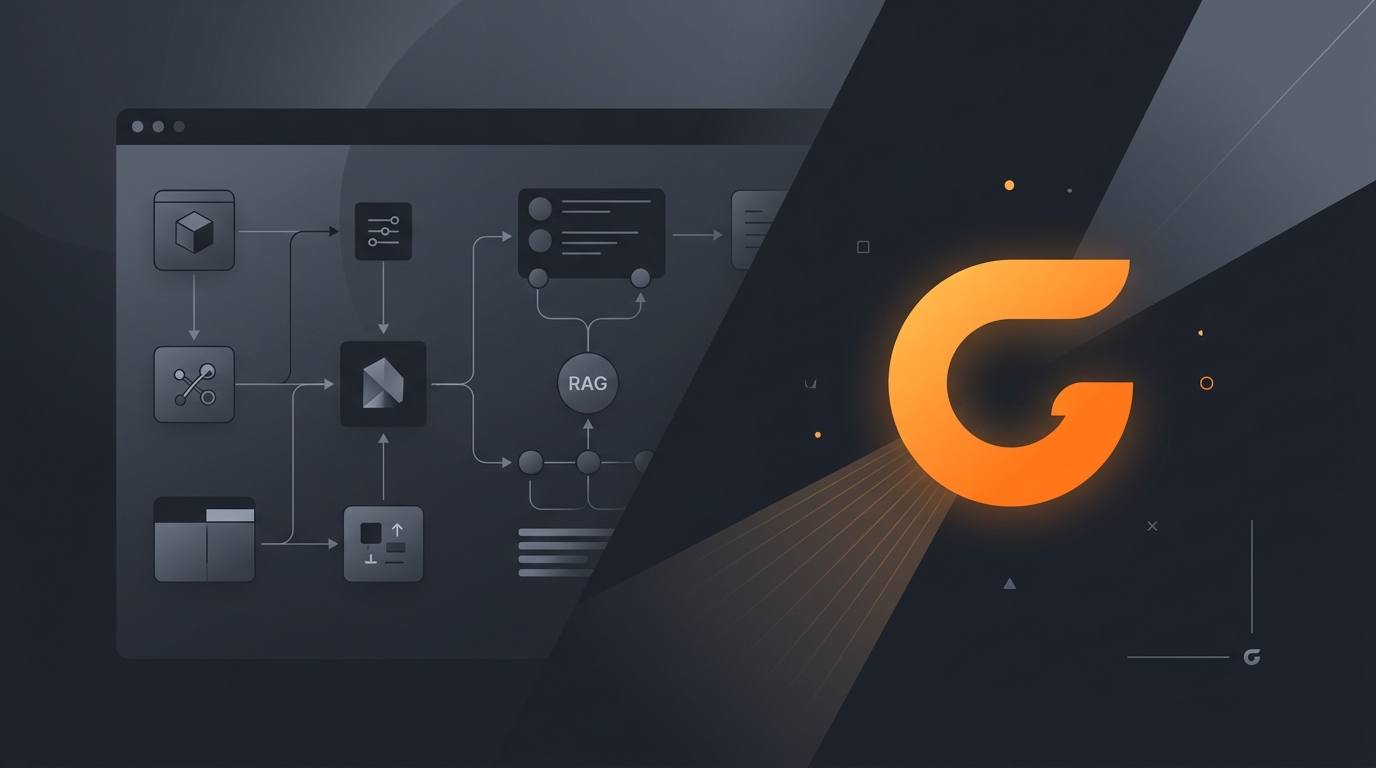
Gravity vs Dify: LLMOps Canvas vs Outcome Runtime (2026)
Dify and Gravity get compared a lot, but they are not the same kind of product. Dify is a Swiss army knife for LLM-powered apps, with chat, RAG, and agents under one roof. Gravity is a focused runtime for operational…
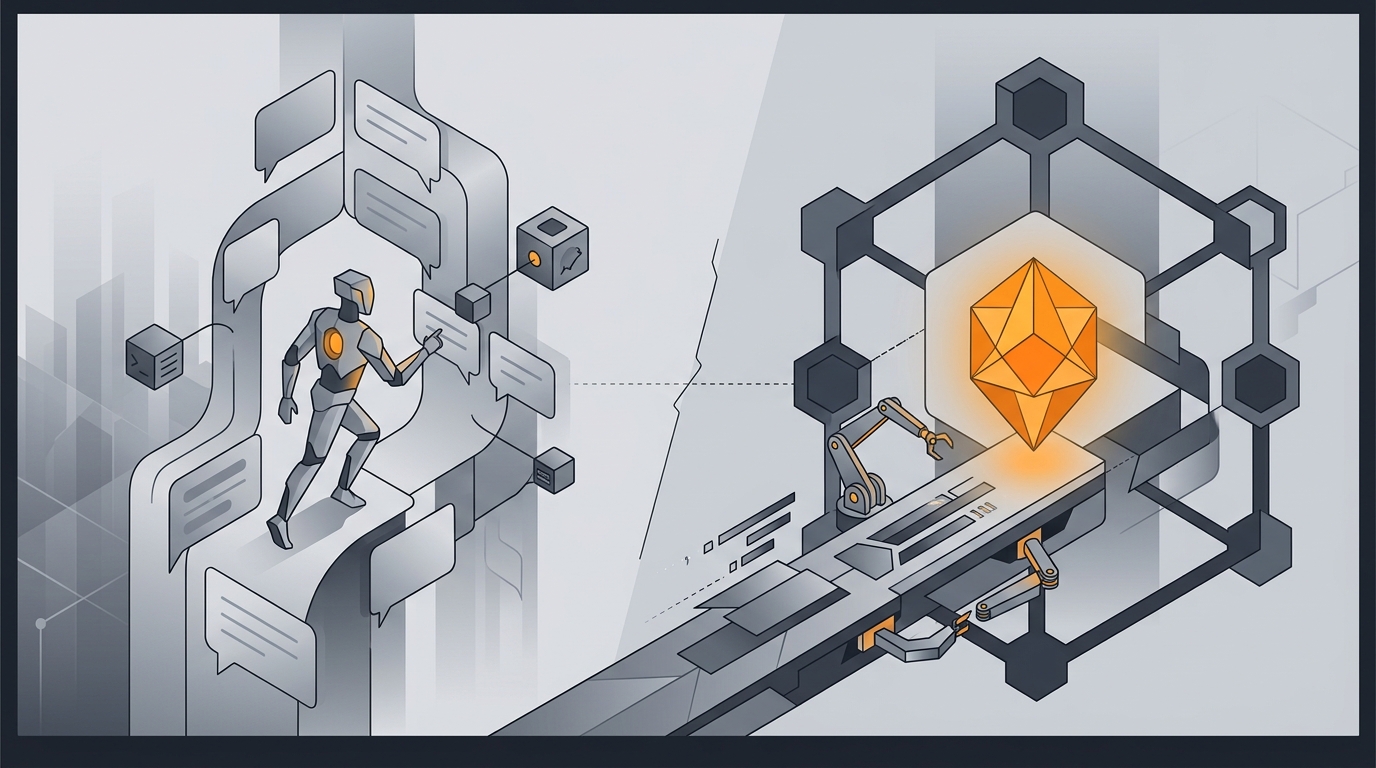
Gravity vs Botpress: Chatbot-First Agents vs Outcome Runtime (2026)
Botpress and Gravity are often compared because both call themselves agent platforms. Look closer and the design centres are different. Botpress is a chat platform with agent capabilities. Gravity is a headless…
Gravity vs Beam AI: Enterprise APA vs Outcome Runtime (2026)
Beam AI and Gravity get compared a lot in 2026 because both pitch "AI agents that automate business processes." Look closer, the audience and the surface differ.
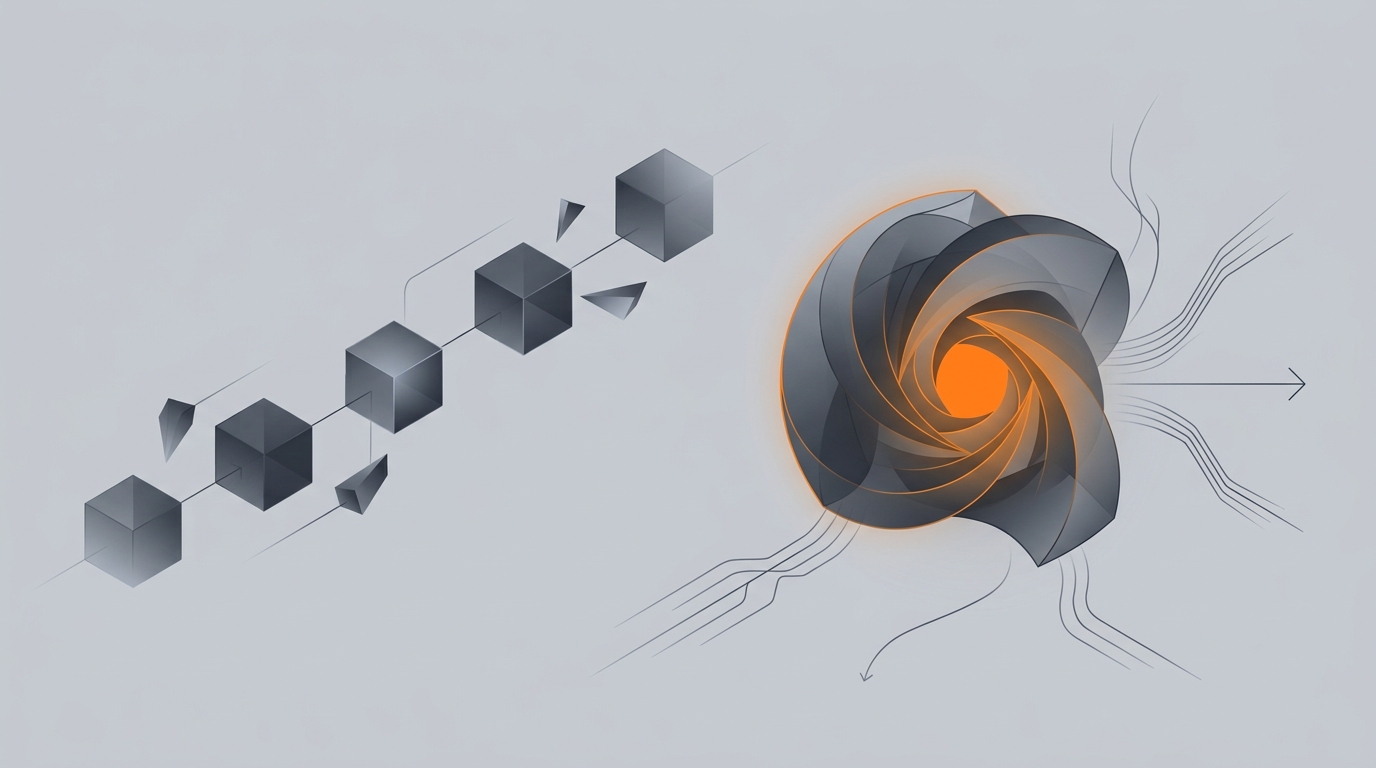
Gravity vs Zapier: When Workflows Stop Being Enough (2026 Comparison)
Zapier shaped how a generation of small teams thought about automation. The early magic was that a team could connect Stripe to Slack without writing code. Trigger fires, action runs, done. The product has earned its…

Gravity vs n8n: Self-Hosted Workflows vs Outcome-Native Agents (2026)
n8n occupies an interesting position in the 2026 automation market. It is the open-source, self-hostable, developer-friendly answer to Zapier and Make. Founded in 2019 in Berlin by Jan Oberhauser, the project has…
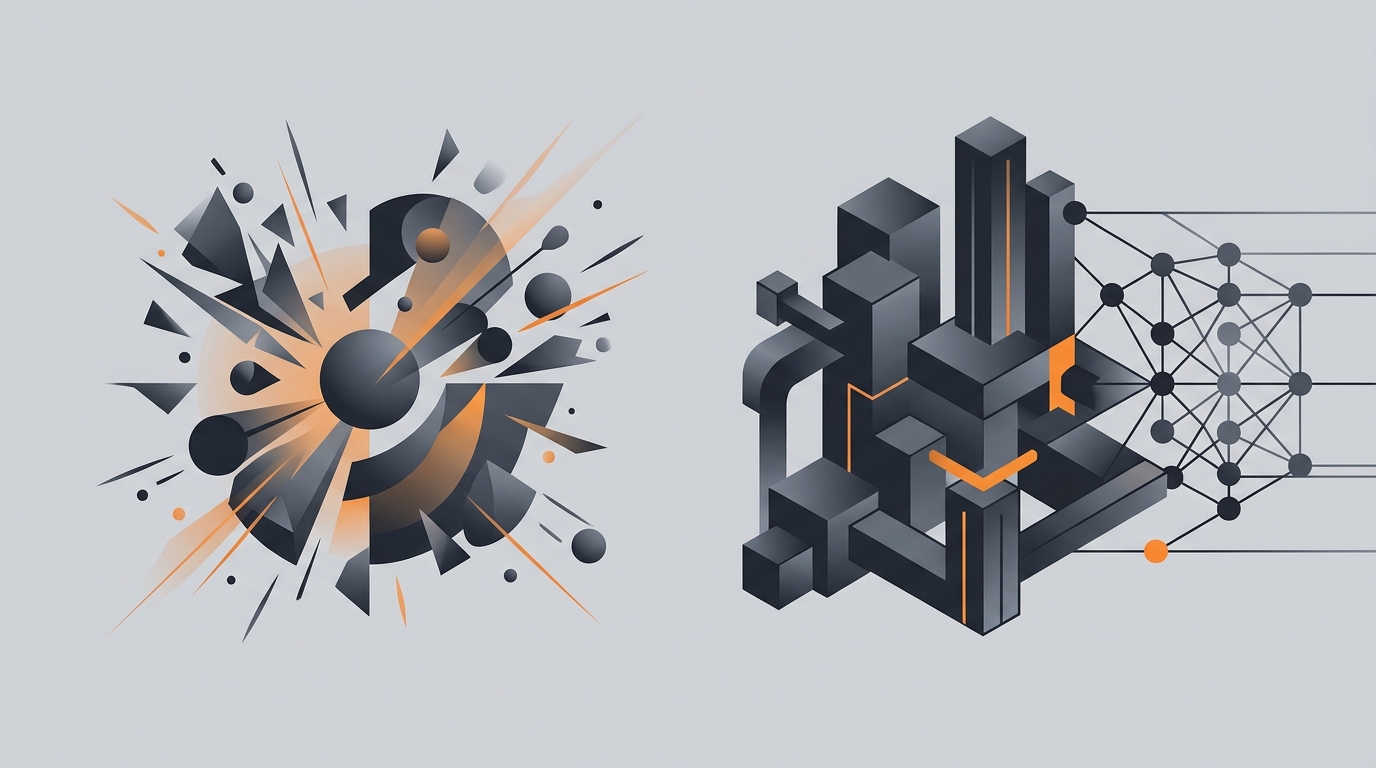
Gravity vs Manus: Demo-Grade vs Operations-Grade AI Agents (2026)
In March 2025, Manus put out a demo that did the thing every agent vendor had been promising for a year. It opened a browser, hunted down a property listing, compared it to ten others, drafted an analysis, and…

Gravity vs Make: Visual Scenarios vs Autonomous Agents (2026)
Make (formerly Integromat) is the power-user's workflow tool. The visual scenario editor handles routes, iterators, aggregators, error handlers, and array operations natively. Where Zapier requires workarounds, Make…

Gravity vs Lindy: Autonomous Agents vs Visual Workflow Builders (2026)
Lindy is one of the cleaner products in the 2026 AI agent market. The UI is calm and the demos are polished. The team has earned its standing. Even so, Lindy and Gravity are solving the same problem with opposite…
Gravity vs LangChain: Build It vs Buy It in 2026
LangChain is one of the foundational projects of the LLM-app era. Harrison Chase released the first version in October 2022 and the project hit 90,000 GitHub stars within two years, with a commercial company funded…
Gravity vs Genspark: Research Agents vs Operational Agents (2026)
Genspark is one of the more interesting agent products of the 2024-2026 cycle. Founded by Eric Jing and Kay Zhu (both ex-Baidu), it sits between search engine and chat assistant, with a signature output called a…
Gravity vs CrewAI: Multi-Agent Frameworks vs Single-Agent Outcomes (2026)
CrewAI captured something real about how engineers want to think about agents. The mental model of a crew (researcher, writer, manager, reviewer) collaborating on a task is intuitive, communicable, and easy to demo.…

Gravity vs Claude: A Category Distinction Buyers Get Wrong (2026)
"Gravity vs Claude" is one of the most common search queries I see, and one of the most miscategorised. It is closer to "Toyota vs Bosch engines" than to "Toyota vs Honda". Claude is a foundation model family from…
Gravity vs ChatGPT Workspace Agents: Platform vs Feature (2026)
On 22 April 2026, OpenAI announced ChatGPT Workspace Agents, bundling agentic capabilities into ChatGPT Team and Enterprise plans (OpenAI blog, 2026). The reaction in the agent ecosystem was predictable: half the…